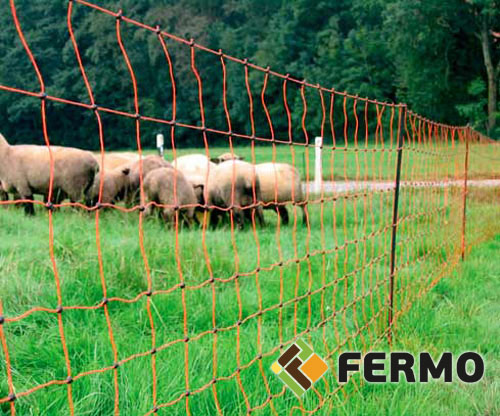
is an effective method of fencing grazing areas for cattle. Electric fences for cattle are designed to keep animals within the designated grazing area. Depending on whether the fence is intended for dairy cattle or beef cattle, different components should be selected. Choosing the right and is particularly important.
Post Contents [hide]
Electric fence for dairy cattle
When building an electric fence for dairy cattle, one of the first things to consider is the total length of the fence. The length of the fence line will determine the choice of . A simple rule applies – the longer the electric fence for cattle, the more powerful the energizer should be.
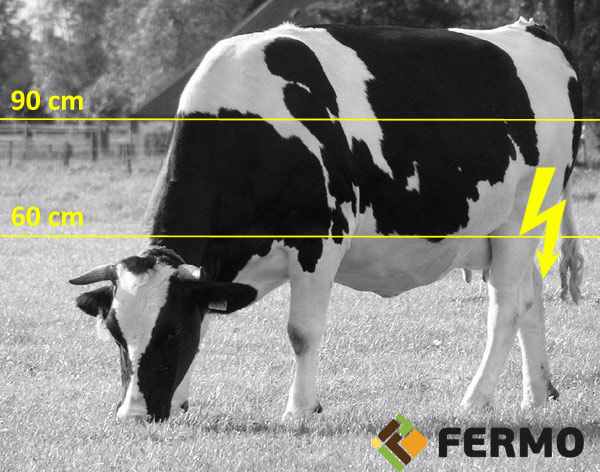
As a general guideline, an electric fence for dairy cattle should have a minimum impulse energy of approximately 0.5 J. The conductor can be made from wire, electric fence polywire or electric fence tape. A single fence line positioned approximately 80–90 cm above the ground is generally sufficient. However, if young calves are also grazing in the area, it may be necessary to install a second conductor at a lower height.
For fence posts, standard with can be used, as well as plastic fence posts that already feature integrated holders for wire or polywire.
Electric fence for beef cattle
An electric fence for beef cattle requires an energizer with higher impulse energy. A minimum of approximately 3 J is recommended. However, it is advisable to use an energizer capable of generating an impulse of approximately 5 J with an output voltage of around 10,000 V. An must be capable of containing strong, heavy and sometimes aggressive animals, particularly bulls.
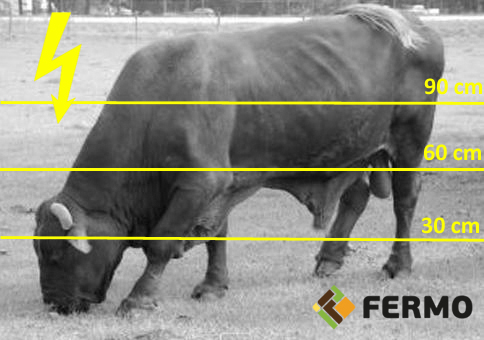
This type of electric fence also requires more conductors – the recommended configuration consists of 3 fence lines, as shown in the image. The most commonly used conductor is traditional . However, steel wire rope is becoming increasingly popular because it offers significantly greater strength than conventional wire – with a breaking strength of approximately 250 kg – while also being practical, as it can be rolled up and reused.
Electric fence for sheep
Building an electric fence for sheep requires a slightly different approach. Sheep are generally calm animals, but because of their thick wool, particularly during colder periods, the wool layer can insulate them from the electrical impulse. For this reason, it is advisable to use a more powerful energizer with an impulse energy of approximately 2.5–3 J. A powerful energizer can also help protect sheep against external threats such as foxes, wolves and stray dogs.
An electric fence for sheep is often used as a temporary or movable fence, allowing the grazing area to be changed as required. For this reason, an electric fence net is often the most practical choice, as it can be easily dismantled and installed in another location. Electric netting forms an integrated structure in which plastic posts are permanently connected to the conductor network made from polyethylene strands incorporating stainless steel wires.
For longer or more permanent fences, traditional or wire can also be used. In this configuration, three conductor lines should be installed at heights of approximately 35, 55 and 80 cm above the ground.