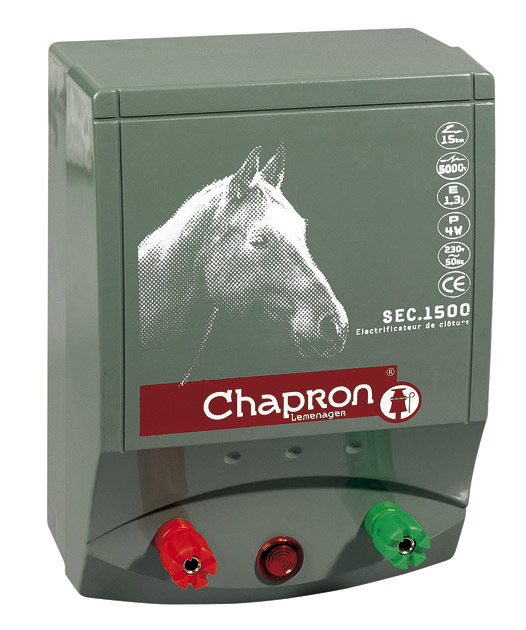
requires selecting the right components to ensure that the fence is effective and performs its intended function properly. When building an electric fence for horses, it is essential to start by choosing an efficient , which forms the basis of the entire electric fencing system. Horses are gentle animals and are particularly sensitive to electrical impulses. For this reason, the electric fence energizer should not generate an excessively powerful electrical impulse, unlike electric fences for wild animals, where the impulse energy should reach at least 5 J. An for horses should have an optimal output energy of approximately 1.5 J. If there is no access to mains electricity in the area being fenced, the energizer should be or . To extend battery operating time, a solar panel can also be connected to the energizer to provide additional charging.
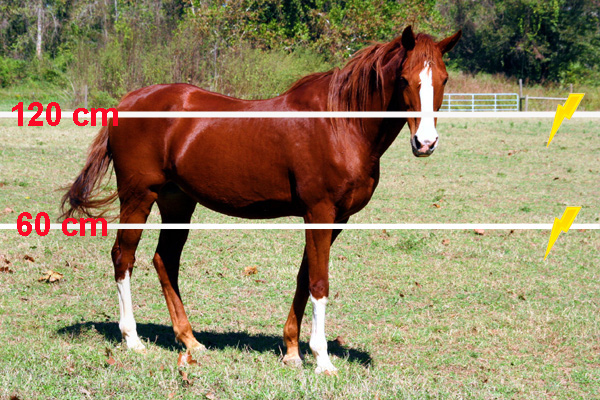
As standard, an electric fence for horses should have two conductor lines positioned at approximately 120 cm and 60 cm above the ground. Alternatively, three lines can be installed at heights of 140 cm, 95 cm and 50 cm. For the conductors, it is best to use electric fence tape or electric fence rope, which provides an excellent visual barrier for horses. When constructing an electric fence for horses, it is also important to include suitable gateways for moving animals between paddocks. For safety reasons, an electric fence gate for horses should be made using a special flexible rubber gate system. If the breeder wants to maintain voltage throughout the electric fence even when the gate is open, a double-insulated connection cable should be installed. This ensures that the electric fence continues to operate correctly and without interruption.
For the entire electric fence for horses to operate reliably, other connection accessories are also extremely important. These include high-quality insulators, which prevent electrical leakage, as well as a lightning diverter that protects the against the effects of a lightning strike on the horse fence line. To ensure that the conductors are properly tensioned, a practical should be installed on every straight section and at each fence level. This allows the breeder to quickly tension the conductor to the required level. When installing the fence, a double tape connector is also very useful. It allows two conductor levels to be connected to the energizer, ensuring that both fence lines remain electrified.
When constructing an electric fence for horses, should be installed at key points – at the beginning and end of the fence line and at corners – to provide strength and stability to the entire structure. The posts should be approximately 200 cm long and driven around 50 cm into the ground, leaving a final height of at least 150 cm above ground level. For very long electric fences, additional wooden posts should also be installed approximately every 100 m. Between the wooden posts, 154 cm polypropylene fence posts are typically used. For easier installation, these posts are already equipped with holders suitable for various types of electric fence conductors, including wire, polywire and tape.