
To paraphrase a classic saying, "Everyone knows what a chicken looks like" – but not all chickens are the same. There are many different chicken breeds available, and the various commercial lines and hybrids can make choosing the right birds particularly confusing for beginners. In this article, we would therefore like to introduce people who are just starting their adventure with poultry keeping to the general classification and characteristics of the chicken breeds most commonly found in Poland.
Post Contents [hide]
Classification of chicken breeds by purpose
The simplest and most general way to classify chicken breeds is according to their primary purpose. It should be emphasised, however, that in intensive poultry production the concept of a pure breed has become increasingly blurred, and modern commercial laying and meat-producing chickens are often specialised hybrids (Różewicz, 142). In practice, this means that information concerning body weight, egg production or plumage should be treated as approximate. The Rosa chicken alone, for example, occurs in five main commercial lines. Generally speaking, chickens can be divided into the following groups:
- Layers, or egg-laying chickens. Through selective breeding, these birds are capable of producing an above-average number of eggs.
- Meat chickens. These birds are characterised by faster growth, a heavier body structure and generally lower activity levels.
- Dual-purpose chickens, combining meat and egg production. These are particularly suitable for backyard poultry keeping. They produce a satisfactory number of eggs, while the cockerels can also achieve a good body weight for meat production. They are generally calm and hardy birds.
- Ornamental chickens, which are kept primarily for their appearance rather than economic production. They are valued for unusual plumage, body size and other distinctive characteristics.
There are, of course, other ways of classifying chickens, for example according to their origin or size. However, these systems are generally less important from the poultry keeper's perspective because they do not focus on the most important factor – the purpose for which the birds are being kept.
What are the characteristics of laying hens?
Even without specialist knowledge, it is relatively easy to recognise the more delicate body shape of a laying hen. Viewed from the side, the bird's body resembles a triangle with its narrow end pointing forwards. In general, laying hens have a less developed breast and a more pronounced abdominal area. In terms of productivity, egg laying usually begins relatively early, at approximately 140–150 days of age, and annual production generally ranges from 230 to 300 eggs. However, this figure depends greatly on the production system and the particular breed or commercial line. Under intensive farming conditions, Rosa laying hens can produce more than 300 eggs per year, while birds kept in backyard flocks will often achieve lower results. It is also worth remembering that laying breeds generally have a weak brooding instinct. For this reason, using an incubator is often a more reliable way to hatch eggs and increase the size of the flock.
The most popular laying breeds and commercial lines include:
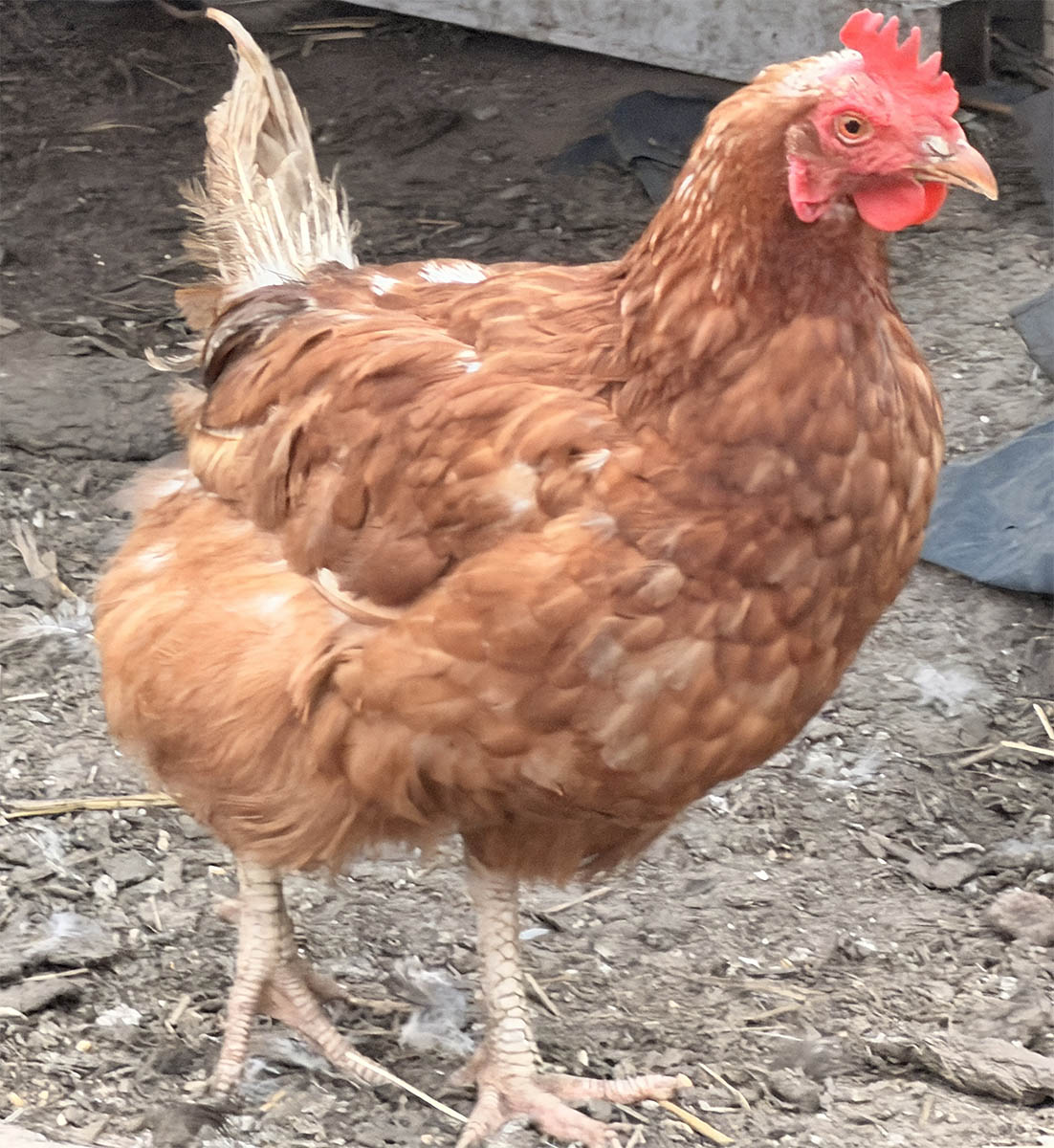
- Rosa chickens – one of the most commonly kept types of laying hens in Poland. Rosa is often described as a hybrid because its individual commercial lines are crosses derived from other varieties. Lines 1 and 5 are among the most popular and are characterised by black or black-and-brown plumage. The birds reach a body weight of approximately 2.5 kg and achieve an average egg production of around 260–280 eggs per year.
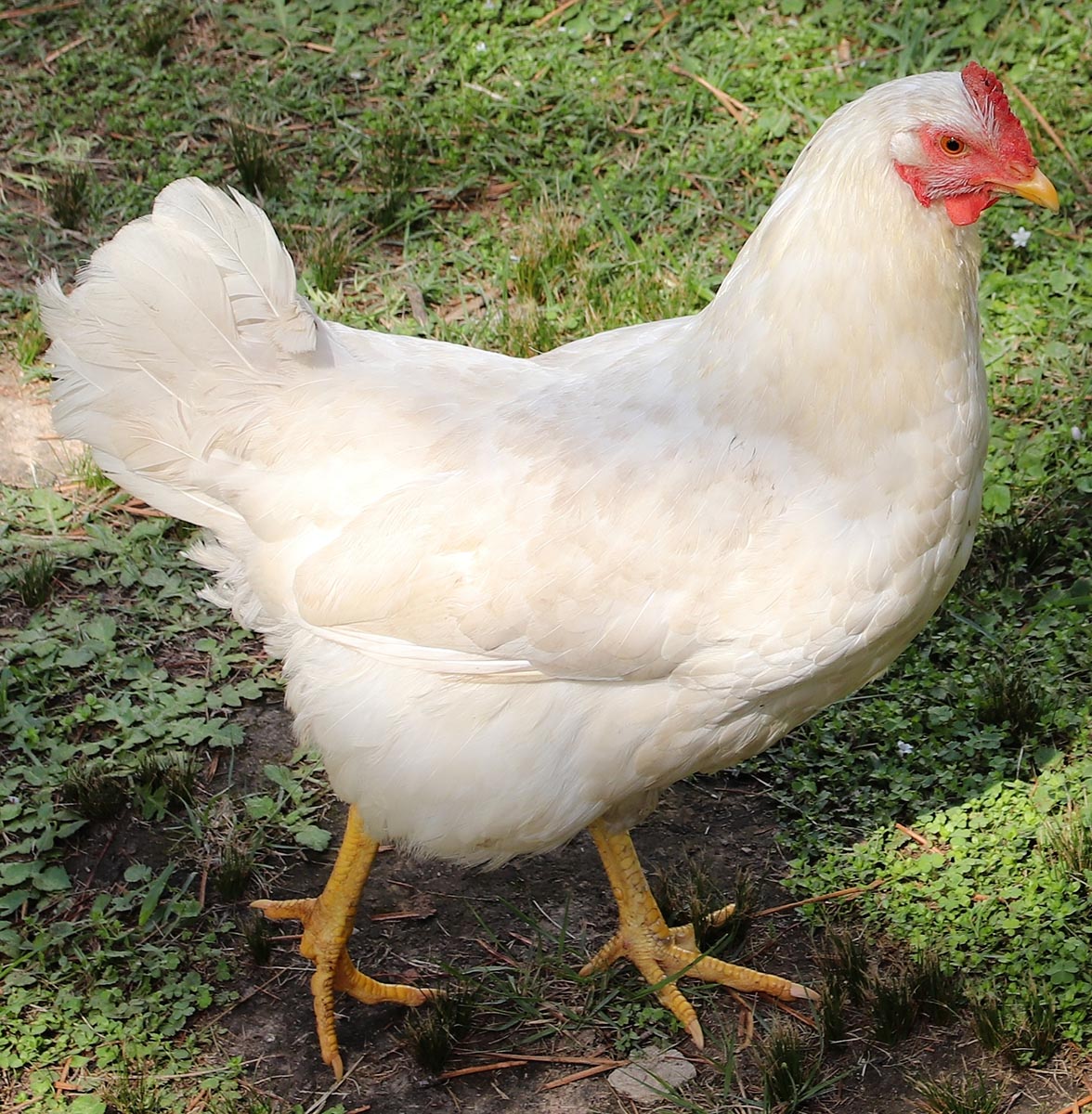
- Leghorn chickens – another very popular laying breed, renowned for high egg production, which can exceed 300 eggs per year. Unfortunately, this high productivity is accompanied by a very weak brooding instinct. Leghorns are generally lightweight birds, weighing approximately 2 kg, and are usually characterised by white plumage. They forage well when given access to outdoor runs, although they tend to be rather timid. They are also known for relatively low feed consumption per egg produced. Lines found in Poland include Iwno Lg, Lohmann White, Hisex White, Shaver White, Hy-Line W-77, Bovans White and Babcock White (Łukasiewicz, 14).
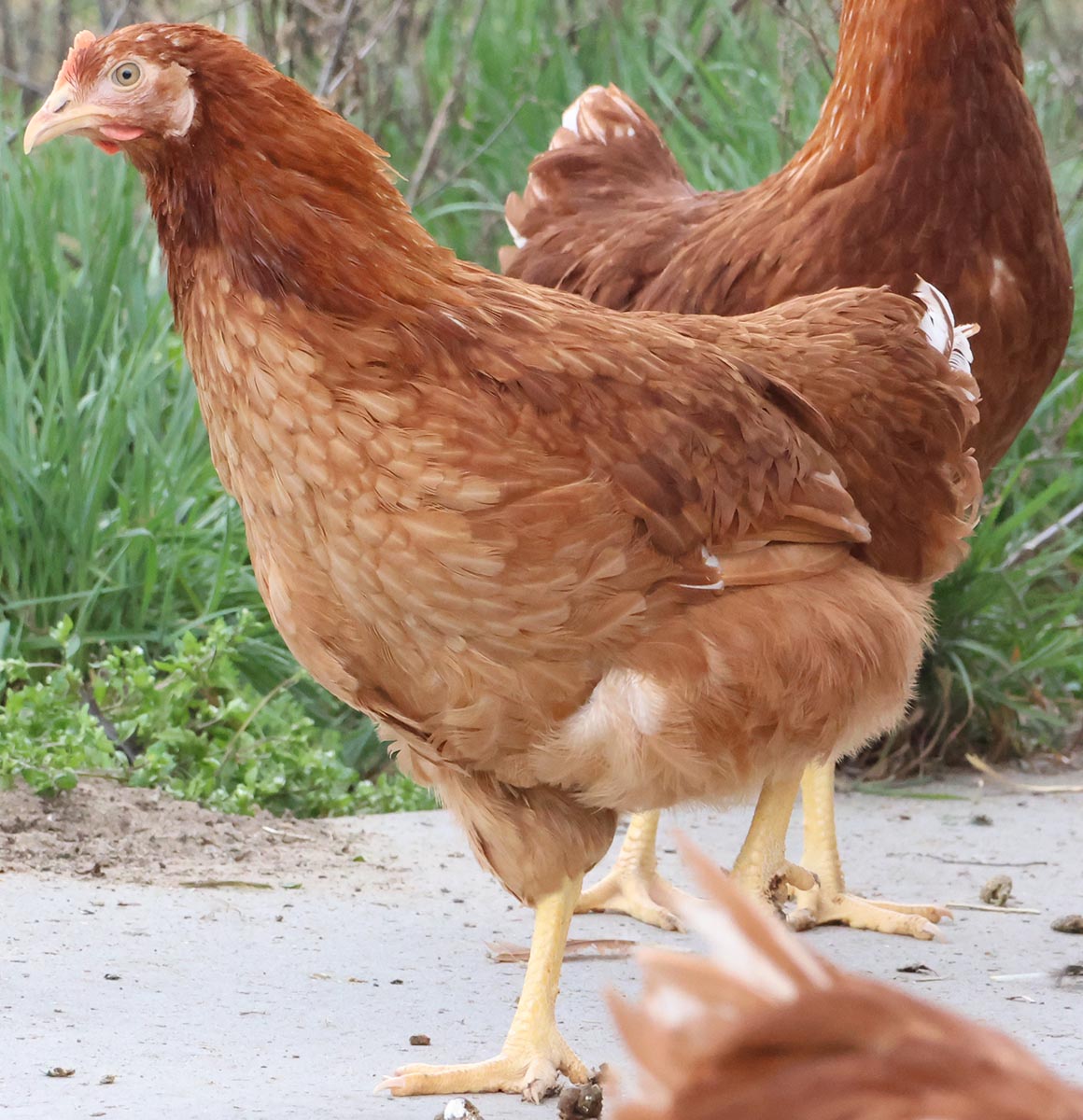
- Lohmann Brown chickens – highly productive laying hens that usually begin laying at approximately 19 weeks of age and can produce more than 320 eggs per year. Lohmann Brown hens reach a body weight of approximately 1.9–2.1 kg. Their eggs are characterised by strong shells and an intense brown colour.
Meat chickens and their characteristics
If we see a chicken with a heavy, compact body shape resembling a square, there is a good chance that it belongs to a type bred primarily for meat production. Meat chickens have been selectively bred to achieve rapid muscle growth and increased body weight. By approximately 20 weeks of age, hens can reach a weight of around 3.0 kg, while cockerels may weigh approximately one kilogram more. They reach sexual maturity relatively late, usually at around 200–210 days of age, and their egg production is generally around 110–120 eggs per year. Interestingly, meat-type hens usually have a stronger brooding instinct.
The most commonly encountered meat breeds and commercial lines include:
- Cornish – more specifically the Dominant White Cornish – is one of the fundamental breeds used in broiler production, both as a pure breed and as part of commercial hybrids. It has an exceptionally heavy build with a broad breast. White plumage is predominant, together with a characteristic pea comb and yellow shanks. The breed is known for a high proportion of meat in the carcass, although it grows more slowly than some modern commercial hybrids.
- Ross 308 chickens – beginners sometimes confuse Ross chickens with Rosa laying hens, although they are completely different types of poultry. Ross meat chickens offer high production efficiency while helping to reduce production costs compared with some other breeds and lines. Research has shown that body weight can exceed 2.2 kg within 42 days, while eviscerated carcass weight can reach almost 1.7 kg (Biesiada-Drzazga B., 13–14).
It is also worth noting, following Prof. E. Łukaszewicz, that numerous breeding companies distribute their own commercial lines, whose names are often derived from company or brand names. Among those commonly encountered in Poland are Hydro G, Hydro PN, Avian Farms, Arbor Acres, Lohmann Meat, Indian River, Ross 308, Cobb 500, Flex and F-15. Parent flocks of meat-type chickens are generally created from hybrids derived primarily from two breeds: male lines from Dominant White Cornish (DWC) and female lines from White Rock (Łukasiewicz, 15). They can therefore be regarded as specialised commercial hybrids.
Best chickens for backyard keeping – dual-purpose breeds
When setting up a small backyard chicken coop, the main objective is usually to provide the household with fresh eggs and, in some cases, meat. For this reason, dual-purpose breeds, combining moderate egg production with good meat characteristics, are often the best choice for backyard flocks and small farms. These chickens can often be recognised by their clearly rectangular body shape when viewed from the side. Their brooding instinct is generally stronger than that of specialised laying breeds, although artificial egg incubation may still be preferable.
Examples of popular dual-purpose chicken breeds in Poland include:
- Zielononóżka chickens (Green-legged Partridge chicken – a particularly interesting choice for backyard flocks and a breed often recommended to beginners. They are also visually distinctive thanks to their partridge-coloured plumage and characteristic greenish shanks and skin. Despite their relatively delicate build and low body weight of approximately 1.5–2 kg, they begin laying at around 5.5–6 months of age and produce approximately 160–170 eggs per year. They are generally kept in smaller groups. These active birds are enthusiastic foragers and may travel considerable distances from the chicken coop in search of food.
- Rhode Island Red chickens – very well suited to backyard conditions. For this reason, the breed is popular with both hobby poultry keepers and small farms. Plumage colour can vary considerably, although rich mahogany shades are predominant. Adult hens weigh approximately 2.5 kg and can produce up to 190 eggs per year. They are also known for their calm temperament, low tendency to panic and, as emphasised in the literature, considerable resistance to disease and adverse climatic conditions (Sosnówka-Czajka, 37–39).
- Sussex chickens – larger than the breeds described above, with body weights often reaching 3 kg. They gain weight relatively easily and are valued for their tasty meat. They are also good layers, producing up to approximately 200 eggs per year. White plumage is common in the best-known Sussex varieties.
- White Rock chickens – among the heaviest dual-purpose chickens, generally weighing around 3 kg. They are fast-growing birds with a well-developed breast. As their name suggests, they have white plumage. Egg production usually reaches up to approximately 180 eggs per year, although some lines can achieve better results.
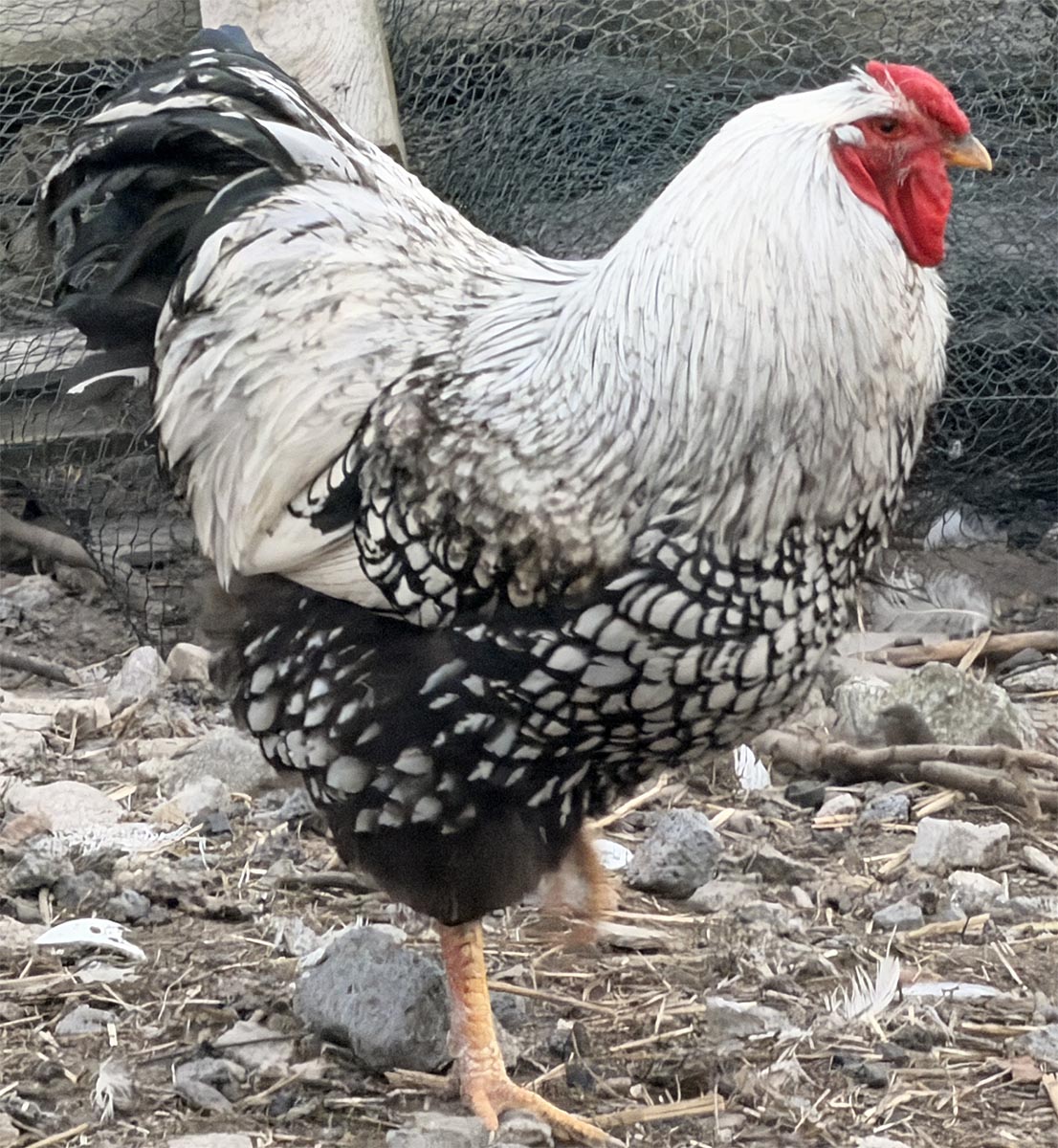
- Wyandotte chickens – produce approximately 180–220 eggs per year. Hens generally weigh between 2.5 and 3 kg, while cockerels can reach up to 4 kg. They successfully combine the characteristics of a good laying hen with those of a meat-producing bird.
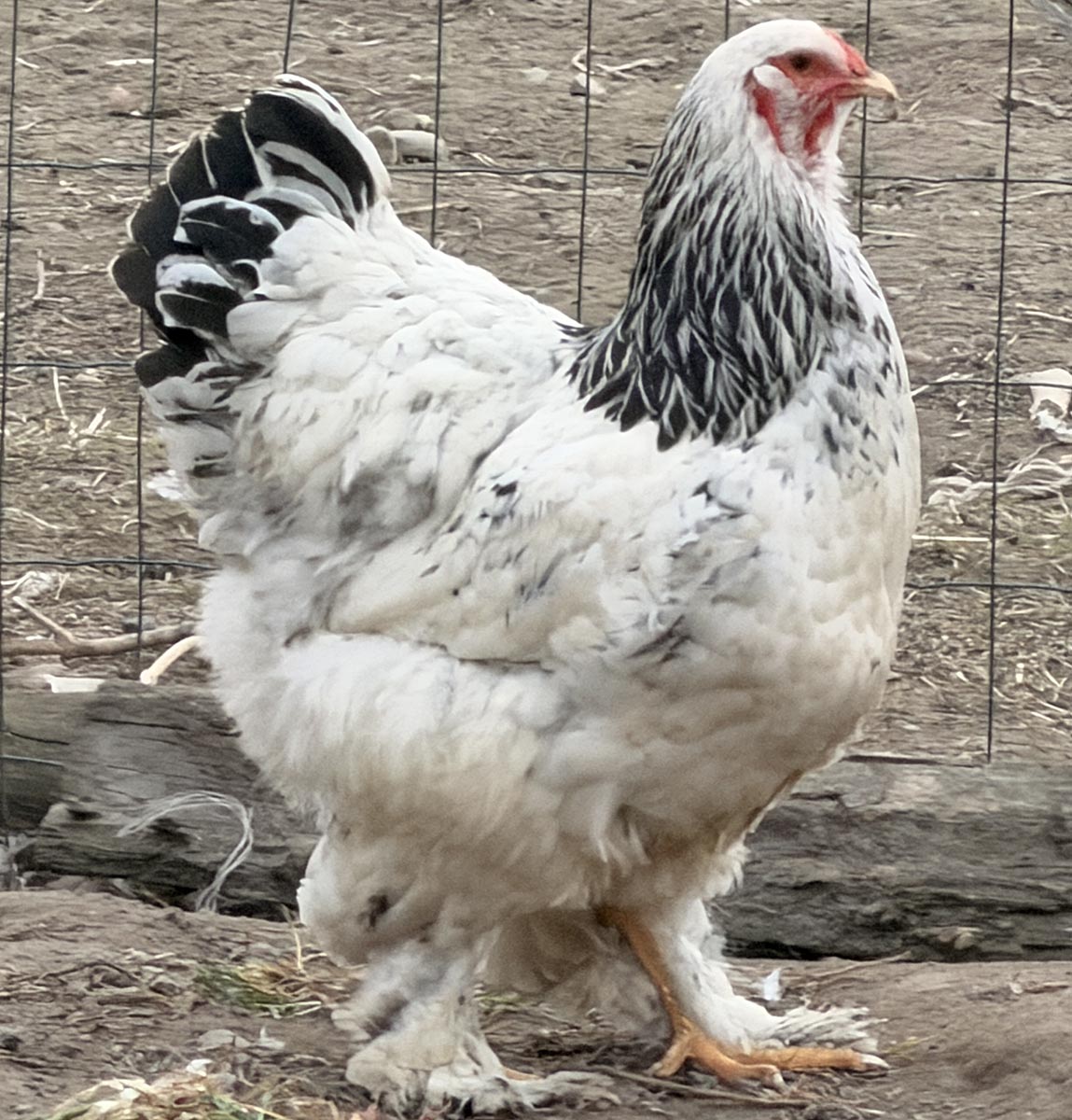
- Brahma chickens – characterised by their impressive body size, with hens weighing up to approximately 4.5 kg and cockerels reaching as much as 5.5 kg. One of their most distinctive features is their feathered legs. They produce approximately 120–140 eggs per year.
What are the most popular ornamental chicken breeds?
Unlike the previously discussed types of chickens, economic productivity is not the primary consideration when breeding ornamental poultry. As M. Różewicz notes, breeders do not select these breeds for production characteristics, but rather for correct body structure and conformity with the standard of the particular breed (Różewicz, 138). In practice, this means that the bird's appearance is the key factor and should correspond to the characteristics established for a particular ornamental breed. Among the most popular ornamental chickens kept by enthusiasts are Silkies, Polish crested chickens and Sebrights.
- Silkie chicken – also known simply as the Silkie, it is one of the best-known ornamental chicken breeds. Its distinctive plumage gives the bird an exceptionally fluffy appearance. Silkies are particularly popular because of their unusual, extremely soft feathers, which feel more like fur or silk than conventional poultry feathers. Birds of this breed may also have a characteristic crest of feathers covering part of the eyes.
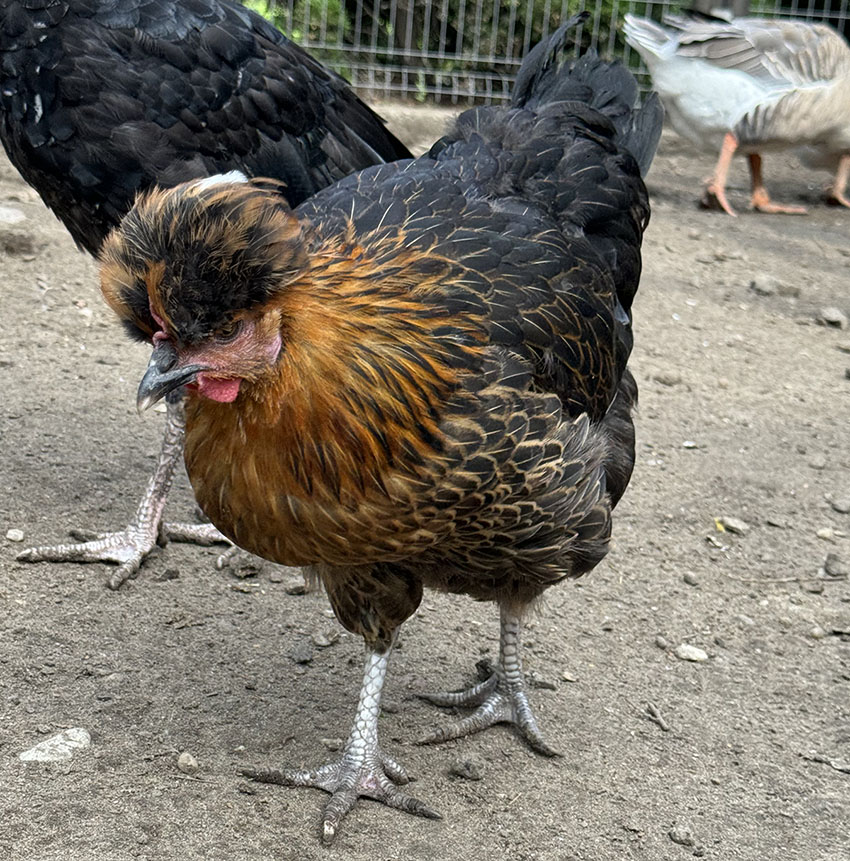
- Polish crested chicken – difficult to overlook because of the large and striking crest of feathers on its head. Plumage can be very light, including white varieties, although gold and silver colour varieties are also common. These are lively and active birds, but they generally do not require particularly demanding care, making them an interesting choice for beginners. Their egg production is relatively low, at approximately 120–140 eggs per year.
- Sebright chicken – a true bantam breed whose small size is more than compensated for by its exceptionally attractive appearance. The best-known varieties are gold and silver, with each feather featuring distinctive black lacing around its edge. This creates an unusual decorative pattern reminiscent of stained glass or an illustration outlined in dark ink.
Summary
It is difficult to summarise such a broad subject in just a few sentences, but one useful recommendation can be made for people who are just beginning their adventure with backyard poultry keeping. If you are unsure which breed to choose, it is worth considering dual-purpose chickens that combine egg and meat characteristics. Rhode Island Red and Zielononóżka chickens can both be interesting choices for a backyard flock. They are versatile birds, providing a good number of eggs while also offering useful meat characteristics, and they are relatively hardy. Zielononóżka chickens also offer additional ornamental value thanks to their distinctive plumage.
For anyone interested in starting a flock, we also recommend our guide to buying laying hens. Among other things, it explains how to assess the health of birds, regardless of which breed or type of chicken you ultimately choose.
Bibliography:
Bancewicz J., Przyzagrodowy chów kur nieśnych, Olsztyn, 2020.
Biesiada-Drzazga B. et al., Evaluation of the Growth and Slaughter Value of the Ross 308 Broiler Chickens, “Acta Sci. Pol., Zootechnica” 2011/10 (3).
Flis K., Proncer A., Technologia gastronomiczna z towaroznawstwem, part 3, Warsaw 2009.
Łukasiewicz E., Kierunki użytkowania i typy użytkowe drobiu, choroby drobiu oraz ptaków ozdobnych – materiały szkoleniowe, ed. M. Mazurkiewicz, Wrocław 2008.
Różewicz M., Kury ras ozdobnych jako zwierzęta towarzyszące, element bioróżnorodności genetycznej gatunku oraz potencjalne źródło oryginalnych produktów, “Wiadomości Zootechniczne” 2018/1.
Sosnówka-Czajka E., Rasy kur wykorzystywane w rolnictwie ekologicznym, in: Podstawy chowu i hodowli zwierząt w gospodarstwach ekologicznych, ed. P. Wójcik, Kraków 2002.
Świerczewska E., Hodowla i użytkowanie drobiu, Warsaw 1994.