
A decline in egg production or a complete stop in laying is a fairly common problem and one that virtually every poultry keeper will encounter sooner or later. Reduced egg production or empty nesting boxes can be a serious cause for concern. Why are my chickens not laying eggs? There can be many reasons – from an improper diet, breed and age of the birds, housing conditions and season of the year to the number of hours of natural daylight. As you can see, many factors can affect egg production in laying hens as well as the quality of the eggs. A lack of eggs may also indicate a health problem within the flock. Let's take a closer look at the most common reasons why chickens stop laying eggs.
Post Contents [hide]
- What to Feed Chickens to Help Them Lay Eggs?
- Does a Hen's Age Affect Egg Production?
- Broody Hens – How Does Broodiness Affect Egg Laying?
- Chicken Moulting – How Does It Affect Egg Production?
- Why Does Stress Affect Egg Production?
- Chicken Coop Microclimate and Egg Production
- Chicken Diseases – Why Sick Hens May Stop Laying Eggs
- FAQ – Frequently Asked Questions About Egg-Laying Chickens
What to Feed Chickens to Help Them Lay Eggs?
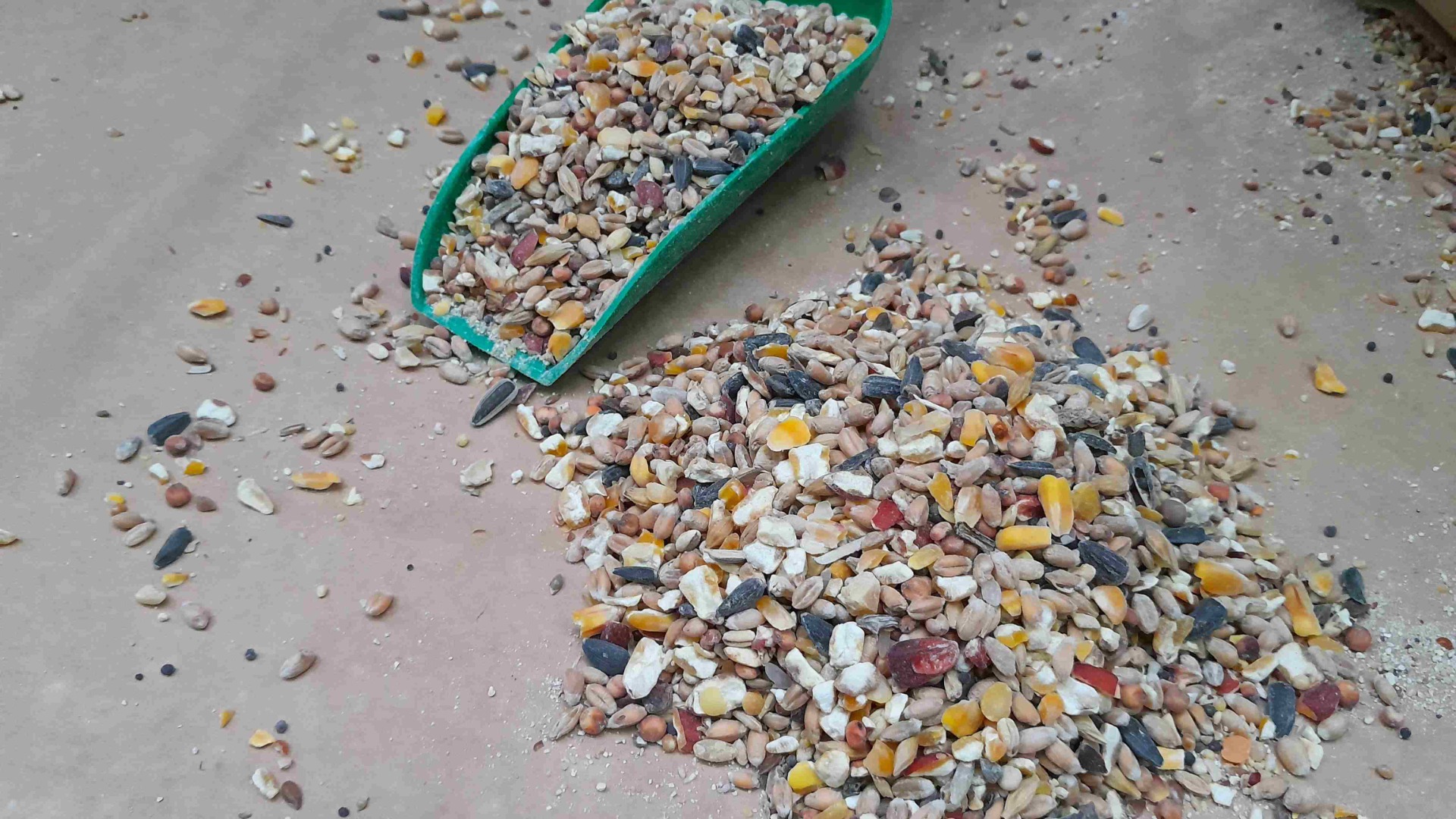
Feeding laying hens is one of the most important factors affecting egg production. Their diet should be balanced and provide all the essential nutrients, vitamins and minerals. A suitable feed for laying hens should contain adequate amounts of protein, carbohydrates, calcium and vitamins.
Corn meal, wheat meal and soybean meal are good sources of protein and carbohydrates. Deficiencies in these nutrients can contribute to reduced egg production. Protein is essential for egg formation, while calcium supports the development of strong and healthy eggshells. Eggs with thin shells are often a sign of calcium deficiency.
A properly balanced feed mixture for laying hens should also contain minerals such as phosphorus and magnesium, as well as vitamins D3 and A. Ready-made feed mixtures for laying hens are available on the market and provide birds with a comprehensive range of essential nutrients.
Feeding an unbalanced diet that is deficient in valuable nutrients can lead to health problems and reduced egg production. Feed should be selected according to the needs of the flock. During winter, for example, a feed with a higher corn content can provide birds with additional energy needed during the autumn and winter months.
Water is equally important, as it is essential for all vital processes in the body. Birds should have constant access to fresh, clean water, as dehydration can reduce immunity and even cause hens to stop laying eggs. Laying hens prefer clean water, so it should be replaced regularly and kept as free from contamination as possible. Water temperature is also important – if it is too cold or too warm, birds may drink less or stop drinking altogether. It is therefore worth choosing a suitable chicken drinker according to the size of the flock and housing conditions.
Vitamins for Laying Hens – The Key to High Egg Production
As mentioned above, a laying hen's diet should also contain vitamins that support egg production. During spring and summer, these can easily be supplied through vegetables, vegetable scraps and fresh greens such as grass and herbs. During autumn and winter, however, access to these natural sources becomes limited. This is why laying hens should receive natural feed supplements and ready-made vitamin preparations. What can you give chickens to improve egg production?
- Nettle for chickens – supports egg production and yolk colour and is rich in vitamins A, C, K and B as well as minerals.
- Garlic for laying hens – provides numerous vitamins and minerals and can support the laying period.
- Alfalfa for chickens – a source of phosphorus, calcium, magnesium and vitamins A, B, C, E and K. It supports yolk colour and egg production.
- Feed chalk for chickens – provides calcium and supports strong eggshells and laying performance.
- Brewer's yeast – supports egg production, strong eggshells and attractive yolk colour.
Ready-made vitamins for laying hens are available as supplements for drinking water or feed. Which vitamins are best for egg-laying chickens? It is worth choosing products containing vitamins D3, K3, A and B-group vitamins, as well as calcium, phosphorus, magnesium, sodium, iron, zinc, manganese, copper, iodine, folic acid and choline. Supplements containing oyster shells are also valuable, as they provide a rich source of calcium that supports strong eggshells.
Does a Hen's Age Affect Egg Production?
The age of a hen is another important reason for declining egg production, as laying naturally decreases as birds get older. When do chickens start laying eggs? Laying hens usually begin producing eggs at around 18–22 weeks of age. Their highest productivity occurs during the first year of laying.
How many eggs does a chicken lay? During the first year, a productive laying hen can produce approximately 250–300 eggs, although this depends on the breed and housing conditions. Some breeds, such as Leghorns, may produce up to approximately 350 eggs per year. In the second year, productivity may fall to around 80% of the first year's level. During the third and fourth years, egg production can decrease considerably.
At what age do chickens stop laying eggs? Hens may continue laying for many years, but production gradually decreases with age and may eventually stop completely. The exact age depends on the breed, health and housing conditions.
Broody Hens – How Does Broodiness Affect Egg Laying?
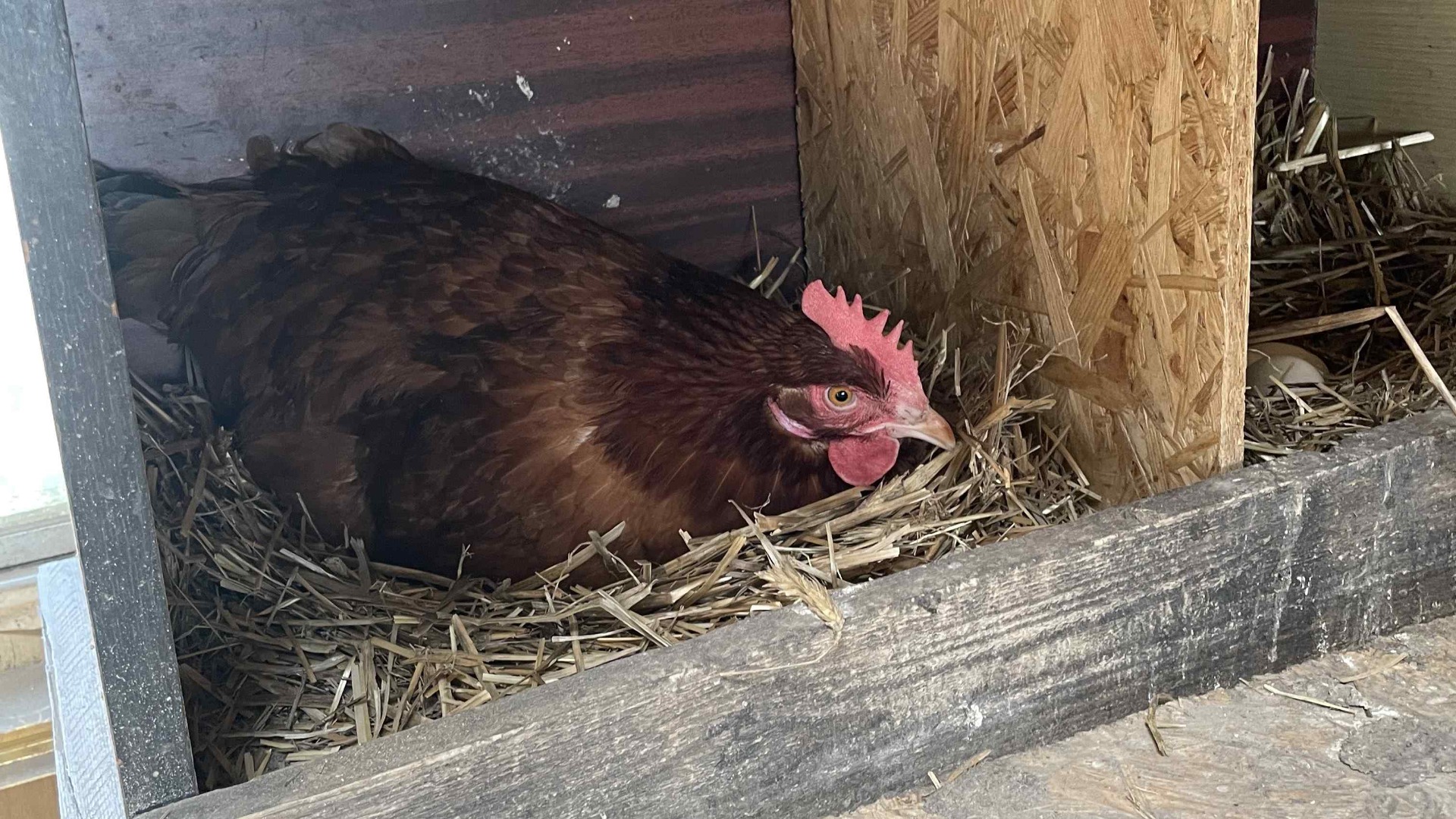
Why do hens become broody? Broodiness is a natural process, just like moulting. Some hens have a particularly strong maternal instinct and may sit even on unfertilised eggs. This behaviour is associated with increased levels of the hormone prolactin and results in the hen temporarily stopping egg production.
A broody hen may remain in this state for several weeks. Typical signs include increased body temperature, spending most of the time in the nest and aggressive behaviour when someone attempts to move her. Some laying hens may also pluck feathers from their breast.
To reduce the likelihood of broodiness, make sure the chicken coop is not excessively warm and that it is properly lit. Dark, secluded areas can encourage hens to establish nesting sites. If a hen has already become broody, she can be moved to an area where she cannot sit on eggs until the behaviour passes. Alternatively, if breeding is planned, fertilised eggs can be placed under a hen with a strong brooding instinct.
Chicken Moulting – How Does It Affect Egg Production?
Moulting in chickens is a natural process that occurs in all poultry flocks. Birds lose their old, worn feathers and replace them with new plumage. This period is usually easy to recognise, as hens may temporarily have areas of their body with fewer feathers.
Moulting often begins when the days become shorter in autumn and may continue for several weeks. During this period, birds use considerable amounts of energy and nutrients to grow new feathers, which is why egg production may decrease significantly or stop completely.
Moulting cannot be prevented, but its impact can be reduced by supporting the birds nutritionally. To help hens recover and return to laying, their diet should contain sufficient protein as well as vitamins and minerals that support healthy feather growth.
Why Does Stress Affect Egg Production?
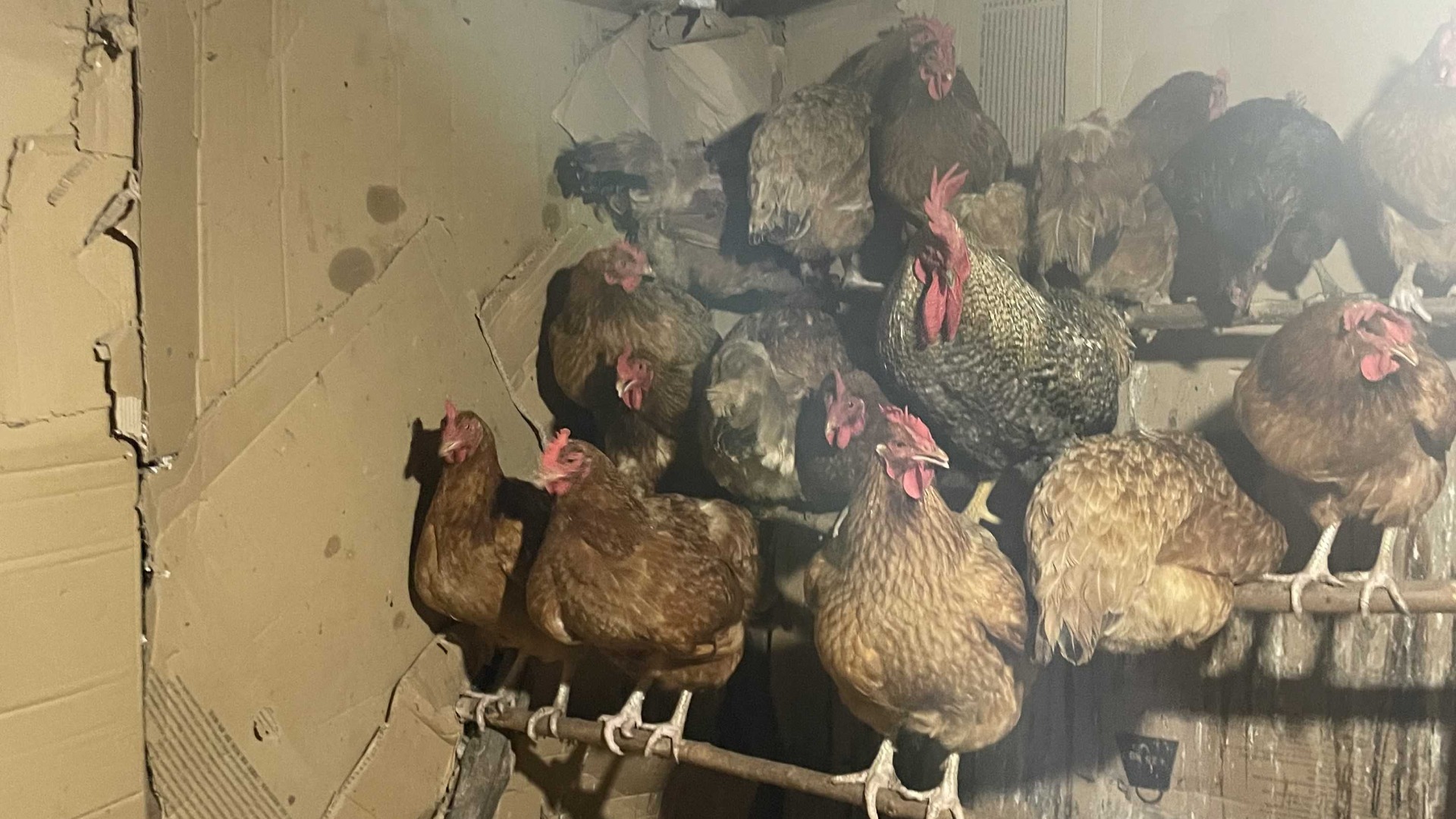
Stress can have a significant negative effect on egg production. It may weaken birds and contribute to health problems within the flock. Stress can be caused by overcrowding, sudden changes in temperature or feed, introducing new birds, excessive noise or the presence of predators.
Laying hens need sufficient space and comfortable housing conditions. They should have adequate access to nesting boxes and perches, as well as enough room to move freely and rest. Excessive noise should also be avoided.
Regular litter replacement and cleaning of the chicken coop are equally important. Maintaining good hygiene helps prevent the development of diseases that can also contribute to reduced egg production.
Chicken Coop Microclimate and Egg Production
Maintaining the correct microclimate inside the chicken coop is one of the key factors affecting egg production in laying hens. The main factors include temperature, humidity and ventilation. Chickens need comfortable and safe conditions in order to maintain good laying performance. If egg production decreases or stops completely, the environmental conditions inside the coop should be checked.
- Temperature in the chicken coop – according to the source article, the recommended range is 13–24°C. Very low or excessively high temperatures can reduce egg production. In cold conditions, birds use more energy to maintain their body temperature.
- Humidity in the chicken coop – the article recommends a level of approximately 60–70%. Excessive or insufficient humidity can contribute to stress and adversely affect egg production.
- Ventilation in a backyard chicken coop – chickens need constant access to fresh air. Proper ventilation helps regulate humidity and removes harmful gases such as ammonia. Installing suitable air inlets can help maintain continuous air exchange.
Chicken Coop Lighting – Another Reason Why Chickens Stop Laying Eggs
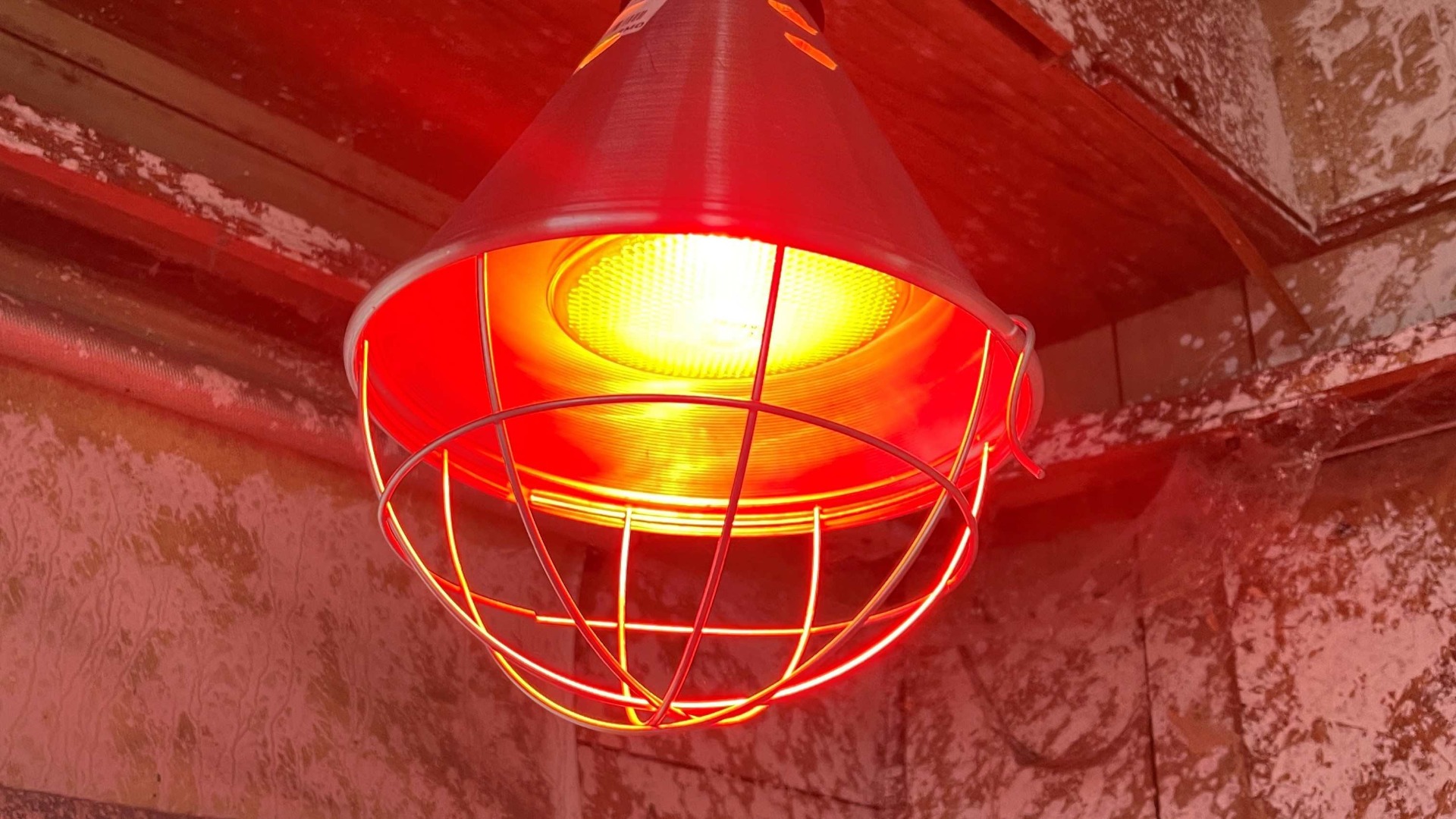
Proper chicken coop lighting has a major influence on egg production. A chicken coop should ideally have a window that provides natural daylight. During summer, sunlight usually provides sufficient illumination, but from autumn onwards the days become shorter, which can reduce laying performance.
Insufficient daylight affects the birds' biological rhythm and the hormones responsible for egg production. Artificial lighting can therefore be used during shorter days to extend the photoperiod. According to the source article, chickens should receive approximately 12–14 hours of light per day. Excessive lighting should be avoided, as birds also require sufficient periods of darkness and rest.
Chicken Diseases – Why Sick Hens May Stop Laying Eggs
Diseases affecting laying hens can significantly reduce their overall condition. When the bird's body is fighting viruses, bacteria, fungi or other pathogens, egg production may decrease considerably or stop completely. Several health problems can contribute to reduced laying performance:
- Bacterial diseases – caused by bacteria such as Mycoplasma, Pasteurella multocida, Escherichia coli and various Salmonella strains.
- Viral diseases – infectious diseases including Newcastle disease, avian influenza, infectious bronchitis, infectious laryngotracheitis, egg drop syndrome and Marek's disease.
- External parasites of chickens – including lice, fleas, ticks and poultry red mites. One of the most common external parasites is the poultry red mite.
- Internal parasites in chickens – these affect the digestive system, weaken the birds and reduce nutrient absorption. Symptoms can include diarrhoea and general weakness.
- Reproductive system disorders – abnormalities affecting the oviduct and other reproductive organs can interfere with egg production and may result in abnormal eggshells or egg retention.
Reduced egg production in chickens can therefore result from natural, environmental, nutritional or health-related factors. Suspicious symptoms should never be ignored, especially because many causes of reduced laying can be corrected by improving feeding, housing conditions and flock management.
FAQ – Frequently Asked Questions About Egg-Laying Chickens
Why are my chickens not laying eggs?
The most common causes include seasonal changes, stress, illness and improper nutrition. Even relatively small changes, such as sudden weather changes or stressful conditions, may cause hens to stop laying for several days or weeks.
Does the season affect egg production?
Yes. During autumn and winter, chickens often lay fewer eggs because shorter daylight hours and lower temperatures affect their natural laying cycle. Additional lighting and a dry, comfortable chicken coop can help maintain production.
How does a chicken lay an egg?
An egg develops inside the hen's reproductive system in a process that takes approximately 24–26 hours. The yolk develops first, followed by the albumen, membranes and calcium-rich shell. Once complete, the egg is laid through the cloaca.
When do Rosa chickens start laying eggs?
Rosa chickens usually start laying at approximately 20–22 weeks of age, or around five months old. With suitable nutrition and lighting, some birds may begin slightly earlier.
What should I feed chickens for strong eggshells?
Strong eggshells require adequate calcium and vitamin D3. Suitable calcium sources include feed chalk, eggshells, oyster shells and complete feed formulated for laying hens.
How can I get my chickens to lay more eggs?
Provide a balanced complete feed, constant access to fresh water, adequate daylight and calm, comfortable housing conditions. Good hygiene and sufficient calcium, minerals and vitamins are also important for maintaining healthy and productive laying hens.
Why are my chickens laying small eggs?
Small eggs are most commonly produced by young hens that have only recently started laying. Other possible causes include nutritional deficiencies, insufficient water, stress or high temperatures. Eggs generally become larger as young hens mature.
How long does a laying hen live?
The average lifespan of a chicken is approximately 5–10 years, although highly productive laying hens are usually at their most productive during the first few years of life. Egg production gradually decreases as the bird gets older.
Does a hen's age affect the number of eggs she lays?
Yes. Hens are generally most productive during the first and second years of laying. Egg production gradually declines as they age.
How many eggs does a chicken lay?
On average, a productive laying hen may produce approximately 250–300 eggs per year, or around 5–6 eggs per week, depending on breed, age, nutrition and housing conditions.
Where do chickens lay eggs?
Chickens usually lay eggs in nesting boxes or other quiet, sheltered and safe locations inside the chicken coop. Free-range hens may occasionally choose hidden nesting places outdoors.
Do roosters affect egg production?
Too many roosters can cause stress in the flock, particularly if they are overly persistent with the hens. According to the source article, a ratio of approximately one rooster for every 8–10 hens can help maintain a calmer flock.
Can chickens hide their eggs?
Yes. This is particularly common among chickens with access to outdoor runs or gardens. Hens may lay eggs under bushes, boards, in hay or in other secluded places. Observing where hens go before laying can help you find these hidden nests.
Does stress affect egg production?
Yes. Even relatively mild stress caused by a change of environment, noise, predators or introducing new chickens into the flock can temporarily stop egg production. Laying hens need calm and secure conditions to maintain good productivity.
Updated: 12 November 2025