
Keeping your own laying hens is becoming increasingly popular among people who value healthy, natural food. Why is it worth starting your own flock? The answer is simple: fresh eggs with excellent flavour and nutritional value. Choosing the right laying hens can provide your household with a regular supply of fresh eggs.
A backyard chicken coop is also a practical way to make use of suitable organic kitchen scraps, such as vegetable and fruit peelings. Choosing the right chicken breed for eggs and providing optimal conditions is an investment that can pay off every day. Soon after buying your birds, one question usually comes to mind: when do chickens start laying eggs? However, full nesting boxes do not depend only on buying the birds. Success is based on three key factors: choosing the right egg-laying breed, providing suitable housing conditions and using a balanced feed for laying hens.
Post Contents [hide]
Best Egg-Laying Chicken Breeds – TOP 5 Ranking
Choosing the right chicken breed for eggs is one of the most important decisions every poultry keeper has to make. Not every laying hen performs equally well in all conditions – some breeds are extremely productive, while others are known for their resistance to difficult weather conditions.
If you are wondering which laying hens to choose for a steady supply of eggs throughout the year, you should consider not only the number of eggs they produce, but also egg size, shell colour and the birds’ temperament. Some breeds, such as the popular Rosa hen or Leghorn, require precise nutrition, while traditional breeds such as Green-legged Partridge chickens perform very well on free range.
To make your decision easier, we have prepared a ranking of the leading breeds. Our laying hen ranking is based on egg production, longevity and ease of keeping. Discover five proven breeds and find out which one may be the best choice for your backyard flock.
Rosa Hen – A Reliable Layer for Backyard Flocks
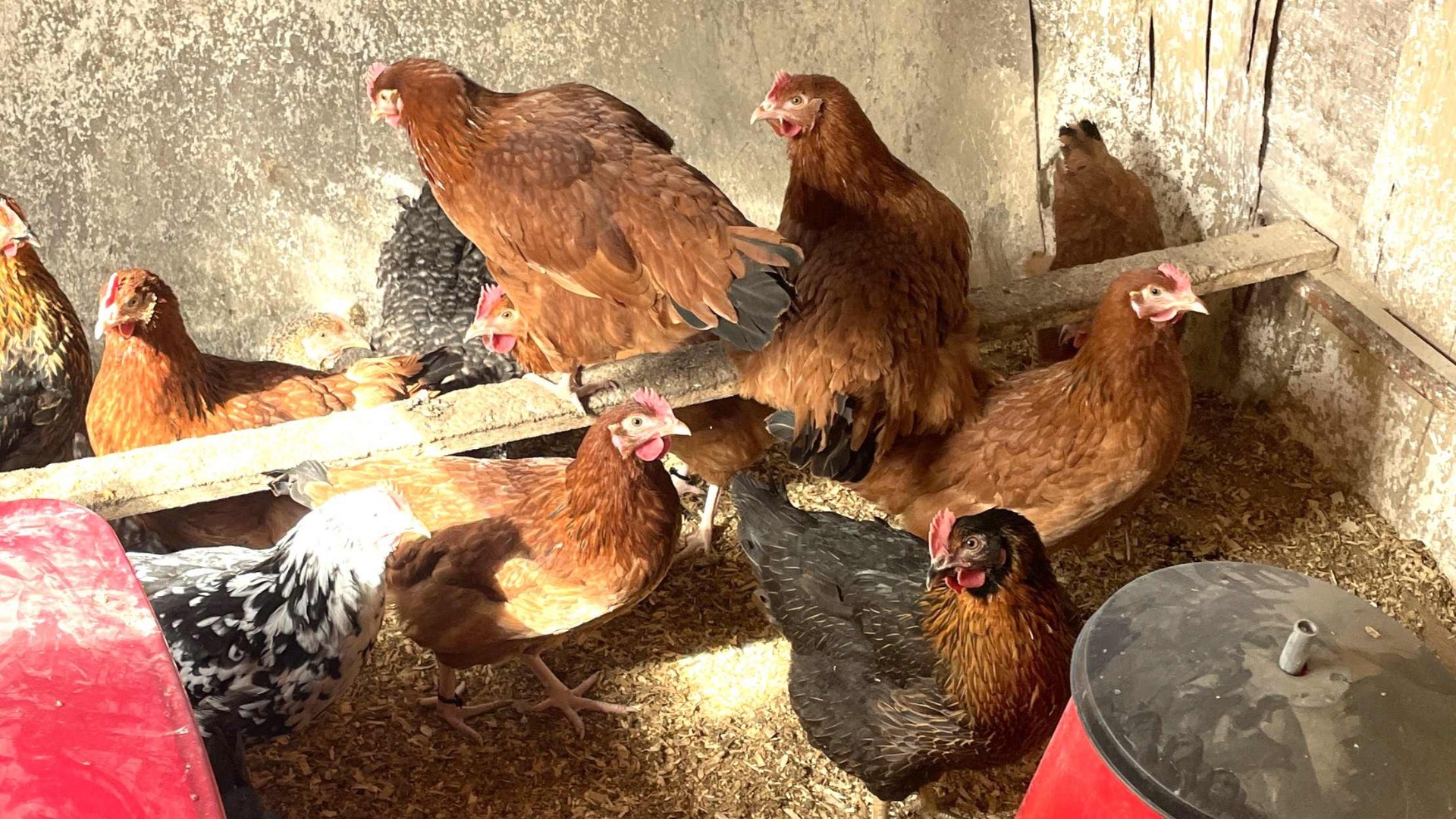
The Rosa hen, especially the popular Rosa 1–5 lines, is one of the most common laying hens found in Polish backyard flocks. It is a dual-purpose type of bird that combines good egg production with strong resistance to changing weather conditions.
Poultry keepers value Rosa hens for their calm temperament and relatively low housing requirements. Rosa hens do well on free range, where they can forage naturally. They lay approximately 250–280 eggs per year, while their productive laying period usually lasts around 1.5 to 3 years.
Leghorn Chickens – Egg-Laying Champions
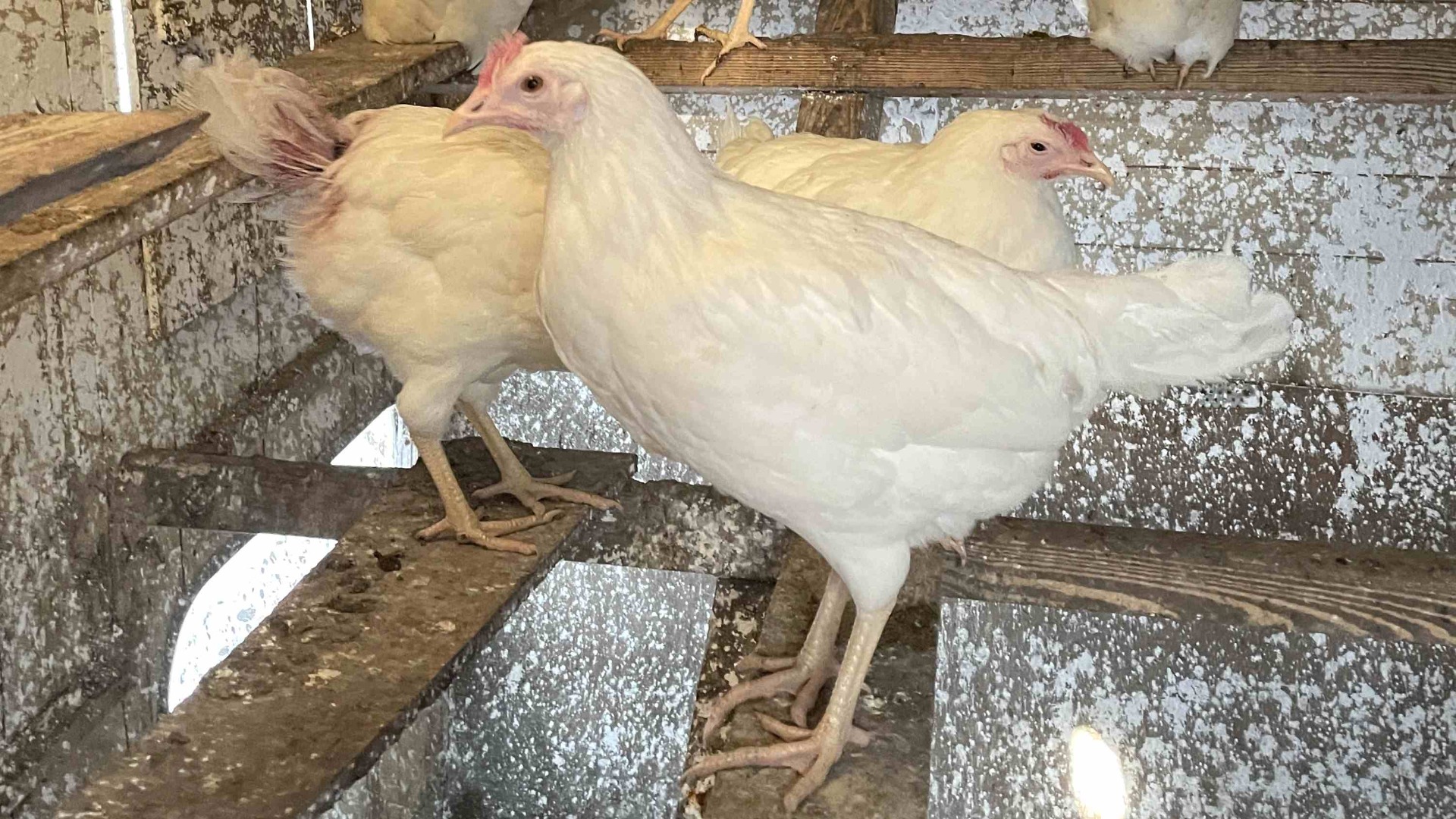
If your priority is maximum egg production with efficient feed utilisation, Leghorn chickens are one of the best choices. These lightweight and active birds convert a large proportion of their feed intake into the production of white-shelled eggs.
They are extremely productive – under optimal conditions, they can lay almost every day, averaging around 300–320 eggs per year. However, Leghorn chickens tend to be more nervous and flighty than some heavier breeds and usually perform best in well-organised housing with constant access to balanced, high-quality feed.
Green-legged Partridge Chickens – A Traditional Polish Breed
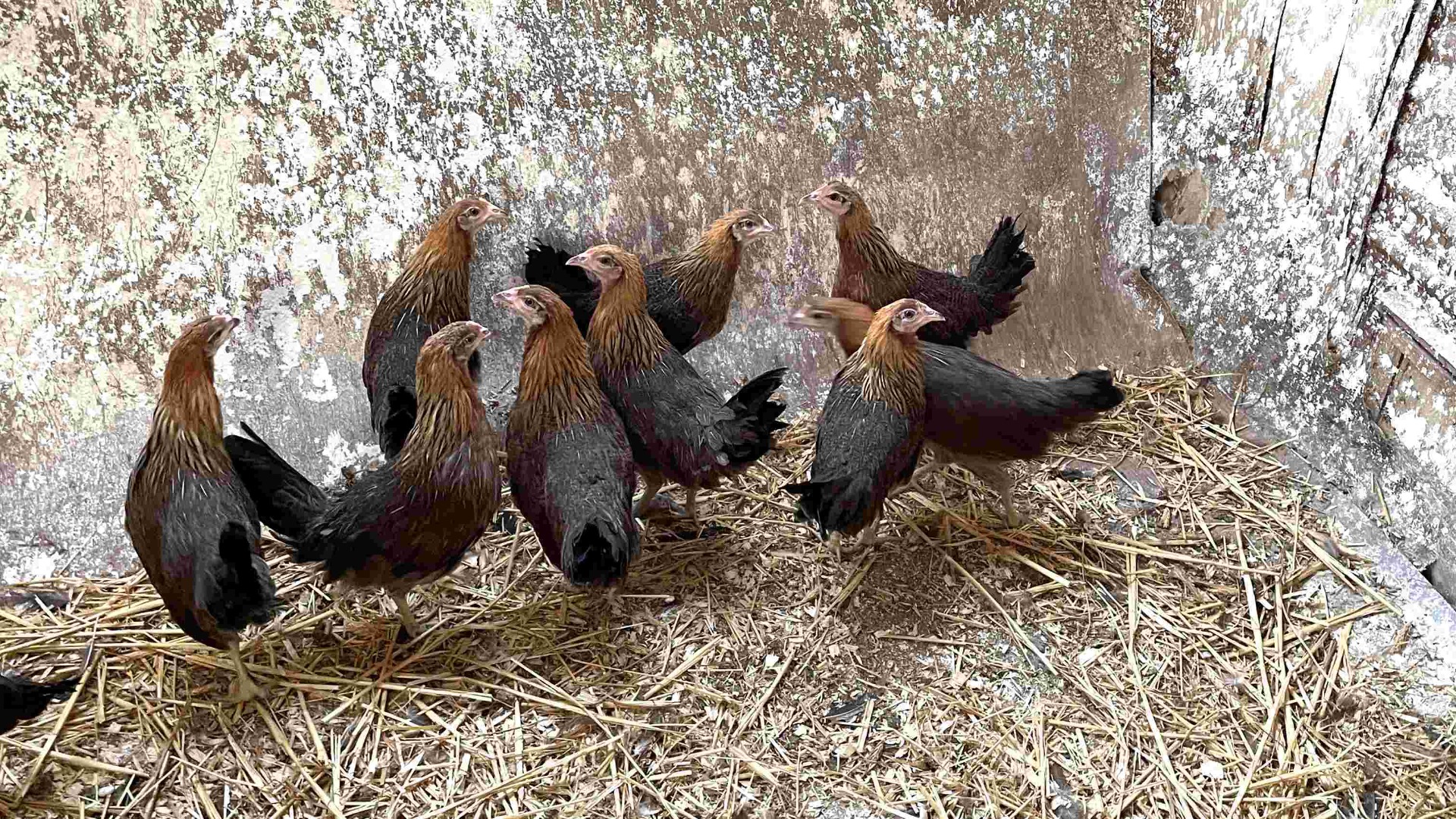
Green-legged Partridge chickens are a traditional Polish breed strongly associated with free-range poultry keeping. Although their annual egg production is lower than that of commercial hybrids, they are valued for hardiness and their ability to forage naturally.
Eggs from Green-legged Partridge hens are particularly popular among consumers looking for eggs from traditional and free-range systems. Annual production is usually around 140–180 eggs. This breed strongly prefers outdoor access and performs best on large grassy runs where birds can express their natural behaviours.
Sussex Chickens – Attractive, Hardy and Productive
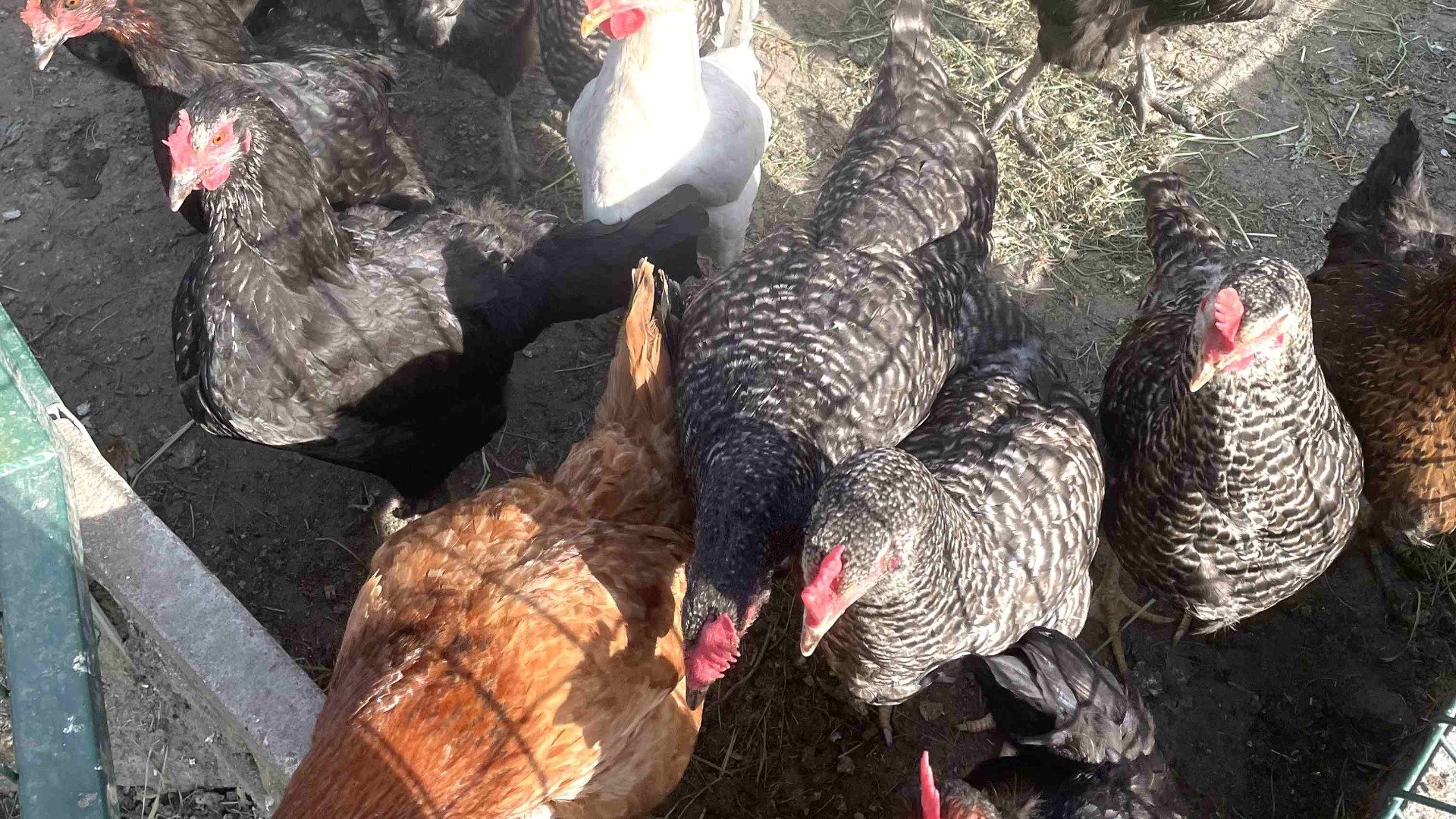
Sussex chickens combine an attractive appearance with good egg production. One of the most recognisable colour varieties has white plumage with characteristic black markings around the neck and tail.
Sussex is known as a hardy breed that can cope well with colder weather. Sussex hens are generally calm and friendly, and many birds quickly become accustomed to their keeper. They produce large eggs with light brown or cream shells and are a good choice for people looking for relatively stable production over several seasons. Their annual productivity is approximately 240–260 eggs.
Dominant Chickens – Colourful and Productive Layers
Dominant laying hens are available in a wide range of feather colours, including black, blue, partridge and multicoloured varieties. Dominant chickens combine high productivity with strong hybrid vigour.
They are robust birds with stable laying performance, producing approximately 250–300 eggs per year. If you want a flock that is both productive and visually diverse, Dominant hybrids can be an excellent choice.
| Chicken breed | Eggs per year | Productive laying period |
|---|---|---|
| Leghorn | 300–320 eggs | 2–3 years |
| Rosa (1–5) | 250–280 eggs | 1.5–3 years |
| Dominant | 250–300 eggs | 2–3 years |
| Sussex | 240–260 eggs | 3–4 years |
| Green-legged Partridge | 140–180 eggs | 4–5 years |
When Do Chickens Start Laying Eggs?
One of the most important questions for every poultry keeper is: when does a hen start laying eggs? The exact age depends on the breed, growth rate and housing conditions. In general, laying hens reach sexual maturity at around 18–22 weeks of age.
Some pullets may begin laying slightly earlier, while others start later. Although nutrition strongly influences growth and reproductive development, trying to force hens into early lay with excessive protein or overly intensive feeding is not recommended. Starting too early may place unnecessary strain on a young bird’s body and can negatively affect later performance.
Feed for laying hens should be properly balanced and provide energy, protein, vitamins and minerals needed for normal reproductive development. Simply increasing protein levels does not guarantee better results and may create nutritional imbalances.
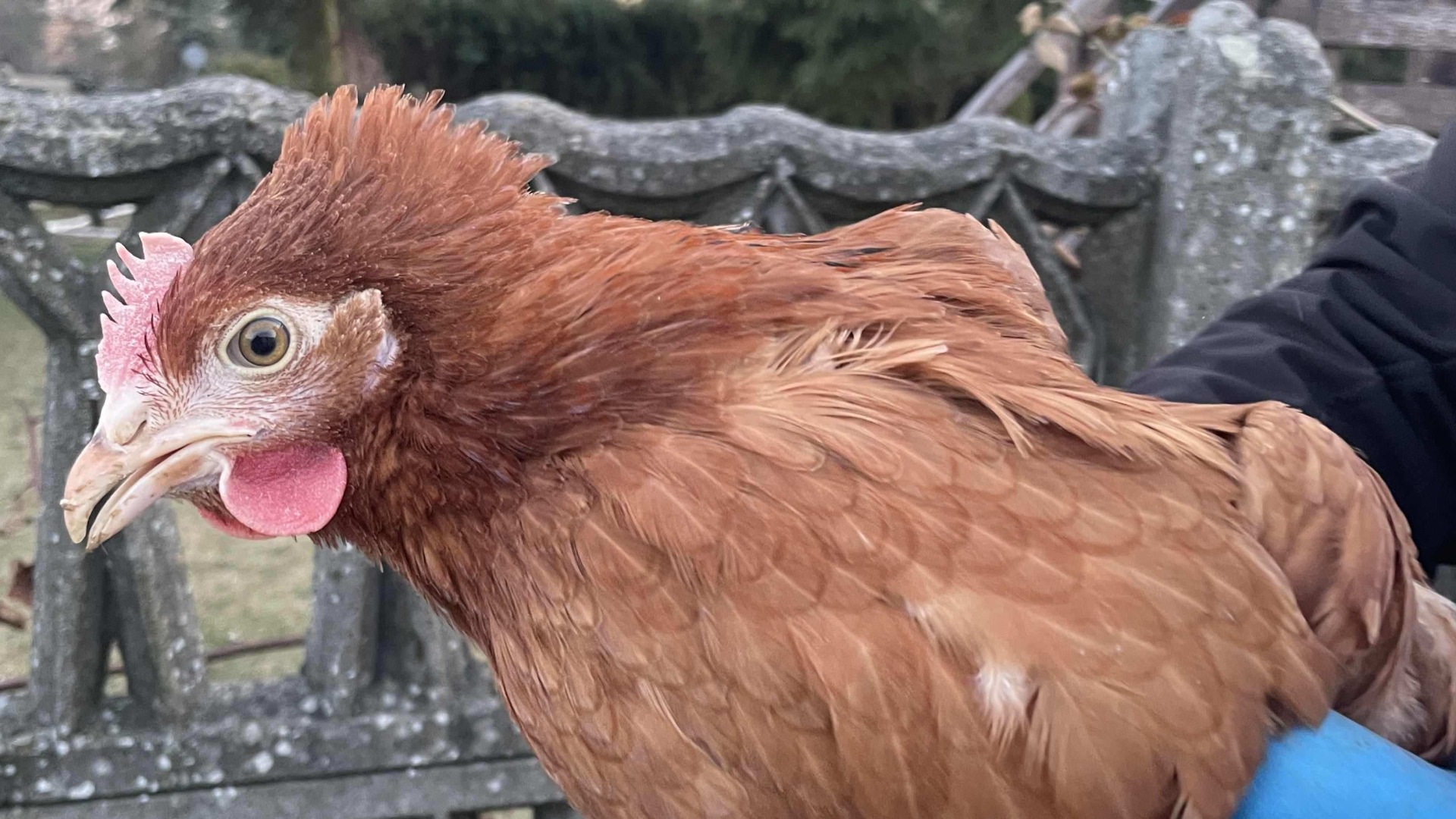
How Can You Tell That a Hen Is About to Lay Her First Egg?
An experienced poultry keeper can often recognise the signs that a pullet is approaching her first egg. Early eggs may be laid irregularly and may occasionally have unusual shapes or shell quality. Common signs include:
- Bright red comb and wattles – the comb and wattles become larger, firmer and more intensely red as the bird reaches sexual maturity.
- Squatting behaviour – a laying hen approaching maturity may crouch down and slightly spread her wings when a person approaches or touches her back.
- Increased vocalisation – birds may become more vocal and start exploring darker areas of the coop as they look for suitable nesting places.
- Greater interest in calcium and minerals – birds may show more interest in mineral sources, so it is useful to provide oyster shells for chickens and feed-grade calcium carbonate.
- Nest preparation – a laying hen may begin spending more time inside nesting boxes before laying her first egg.
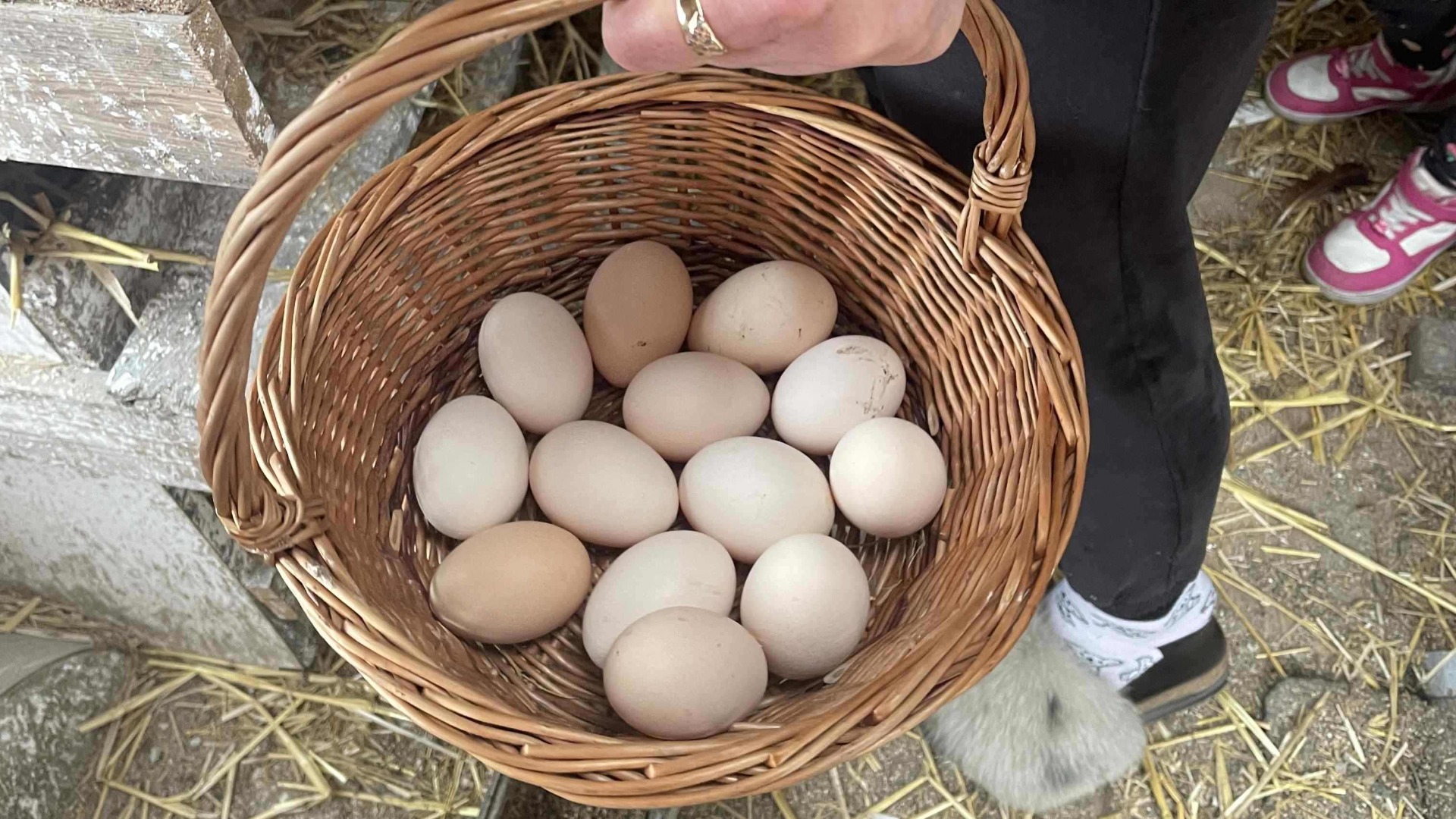
How to Increase Egg Production in Chickens
Even the best chicken breed will not reach its genetic potential without suitable housing, feeding and management. If you are wondering why your chickens have stopped laying eggs, the cause is often related to one of the following four areas:
- Lighting – the key to the laying cycle – laying hens respond strongly to day length. During autumn and winter, additional lighting may be used to maintain an appropriate photoperiod. Birds also need a sufficient period of darkness for rest, so lighting programmes should be managed carefully.
- Balanced nutrition – protein and amino acids for egg production – feeding chickens only grain is not enough for consistent laying. Although wheat and maize provide energy, hens also need sufficient high-quality protein and essential amino acids. A balanced complete feed for laying hens is usually the simplest way to provide appropriate nutrients.
- Strong eggshells – eggshells consist largely of calcium carbonate. If a hen does not receive enough calcium in her diet, her body may draw calcium from skeletal reserves. To support strong shells, hens should have access to appropriate calcium sources such as feed-grade calcium carbonate or oyster shell.
- A safe and quiet nesting area – a laying hen needs a calm place to lay. Stress caused by predators, excessive noise or overcrowding can reduce egg production. Nesting boxes for chickens should be placed in quiet, sheltered parts of the coop and filled with clean bedding. Automatic nesting boxes for laying hens can help protect eggs from dirt and damage.
FAQ – Frequently Asked Questions
Where Can You Buy Laying Hens?
The best option is to buy birds from reputable poultry farms, hatcheries or trusted local breeders.
When Is the Best Time to Buy Laying Hens?
Spring, usually from March to May, is a convenient time because young hens can adapt while natural daylight is gradually increasing.
How Long Does a Laying Hen Live?
In backyard flocks, chickens commonly live for around 5–8 years, although their highest egg production usually occurs during the first 2–3 years.
How Much Does a Laying Hen Cost?
According to the source article, in Poland a 16–18-week-old pullet typically costs around PLN 30–50, depending on breed and order size.
What Should You Feed Laying Hens?
The basis should be a complete laying hen feed, supplemented where appropriate with fresh greens and vegetables, together with constant access to clean water and a suitable calcium source.
How Long Does a Laying Hen Take to Reach Maturity?
A laying hen generally reaches physical and reproductive maturity at around 20–22 weeks of age, although this varies between breeds.
What Grains Are Best for Laying Hens?
A grain mixture may contain wheat as a base, maize as an energy source and barley or oats as additional sources of fibre. Grain should complement rather than replace a balanced complete laying feed.
How Many Laying Hens Can Be Kept per Square Metre?
The source article suggests approximately 4–5 hens per 1 m² of indoor floor space and at least 4 m² of outdoor run per bird.
How Much Feed Does a Laying Hen Eat per Day?
An adult laying hen typically consumes around 110–130 g of feed per day, depending on breed, ambient temperature, body size and access to free range.