
With the arrival of spring, gardeners begin preparing for a new season in their gardens. This is the time when the soil awakens after winter and gardens begin to come back to life. For many people who have their own vegetable gardens, spring cleanup is an important part of the season. There are many jobs to complete before the garden is ready for new plants. First, you should check whether the soil is in good condition. Then you need to remove weeds so they do not compete with plants for water and space. The areas where new vegetables will be grown should also be cleared. Once the soil has been prepared, you can start planting new crops. It is also important to remember that different plants prefer different growing conditions. Tomatoes, for example, prefer warmth, while lettuce grows well in cooler conditions. This is why it is important to plan carefully where each crop should be planted.
Gardening is not only work, but also a source of pleasure. Watching plants grow and produce a harvest can be extremely rewarding. What's more, vegetables from your own garden are fresh, tasty and healthy. Spring garden cleanup is therefore the time when home gardens are prepared for the new season. This is when we carry out many important jobs to help our vegetables grow healthily and produce abundant harvests. We can look forward to everything the new spring season has to offer.
| Featured Products from rabatka.pl: |
When does the gardening season begin?
The beginning of the gardening season is an especially exciting time for many gardening enthusiasts, full of anticipation and enjoyment. As spring arrives, nature begins to awaken. Plants emerge from winter dormancy, buds begin to develop and the first green leaves appear on tree branches. As the days become longer and the sun grows stronger, gardeners begin to feel renewed energy and enthusiasm for working in their home gardens.
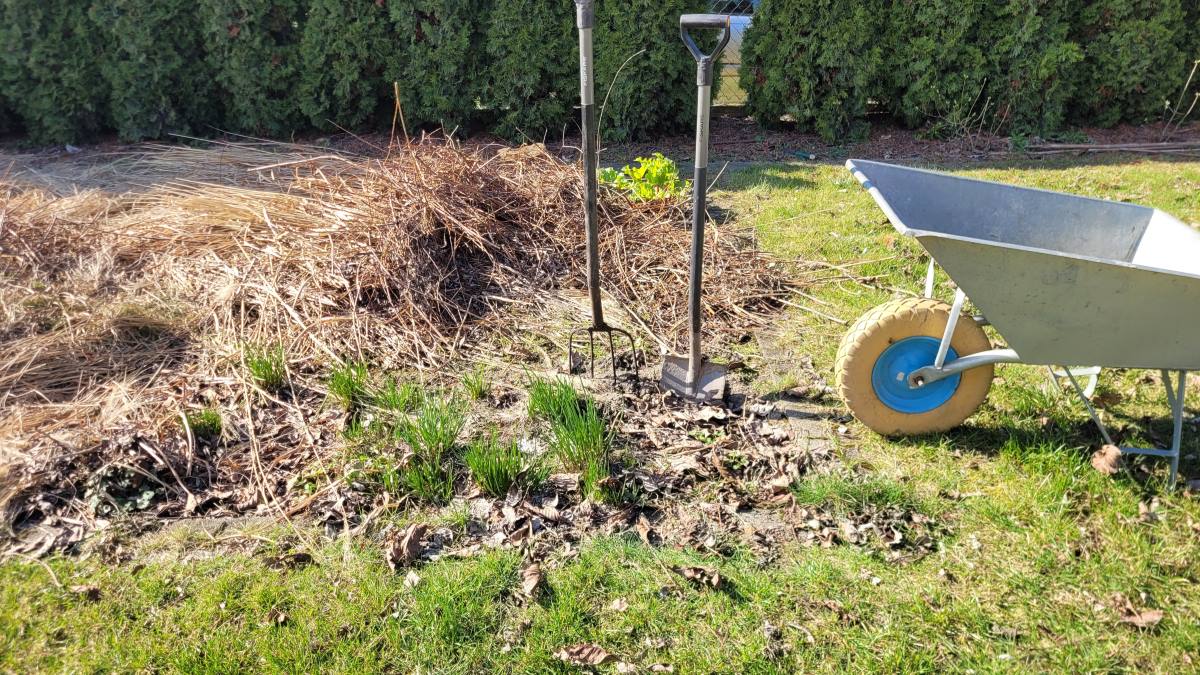
March, when nature begins to show the first signs of renewal, is a good time to start gardening work. The soil gradually thaws after winter and the first new shoots appear above the surface. This is the right time to begin preparing the garden for the coming season. Spring garden maintenance is not only work, but also the pleasure of watching the garden come back to life and gradually fill with colour.

How to prepare a vegetable garden for spring?
Spring maintenance in a vegetable garden is not only about work, but also about welcoming the new growing season. To provide plants with the best possible conditions for healthy growth and abundant harvests, it is worth following several key steps. Proper preparation allows the vegetable garden to reach its full potential and gives us the satisfaction of watching fresh vegetables grow directly from our own soil.
Assessing the condition of the soil
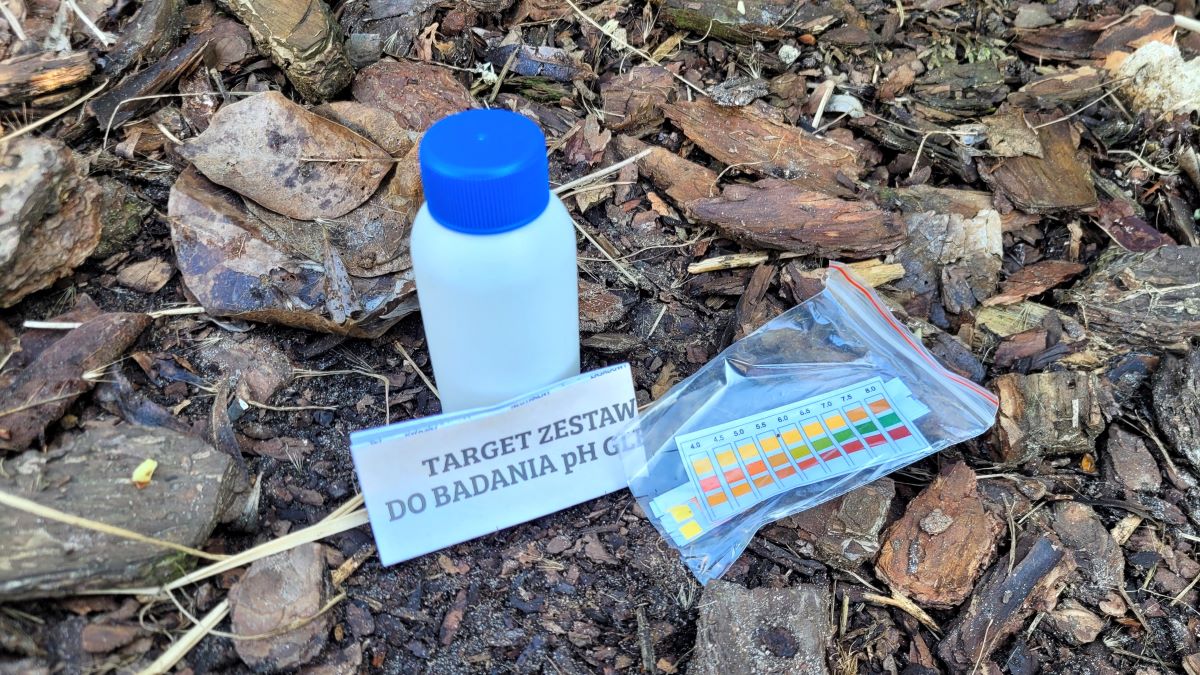
The first step before beginning work in a vegetable garden in spring is to carefully assess the condition of the soil. After winter, the soil may require some improvement to provide optimal conditions for plants. Soil testing can help determine its pH, nutrient content and structure. Soil pH can easily be checked using a simple soil pH testing kit. Based on these results, fertilisers and other soil amendments can be selected to provide plants with a healthy start. Acidic soil may require the use of garden lime, which helps reduce soil acidity and creates better conditions for plant growth.
How to check soil pH?
A pH tester or soil pH testing kit can be used to check the acidity or alkalinity of the soil. Ideally, soil pH should be around 6.5–7. Values below this range indicate acidic soil, while soils with a pH above 7 are considered alkaline.
| Featured Products from rabatka.pl: |
Removing weeds and preparing garden beds
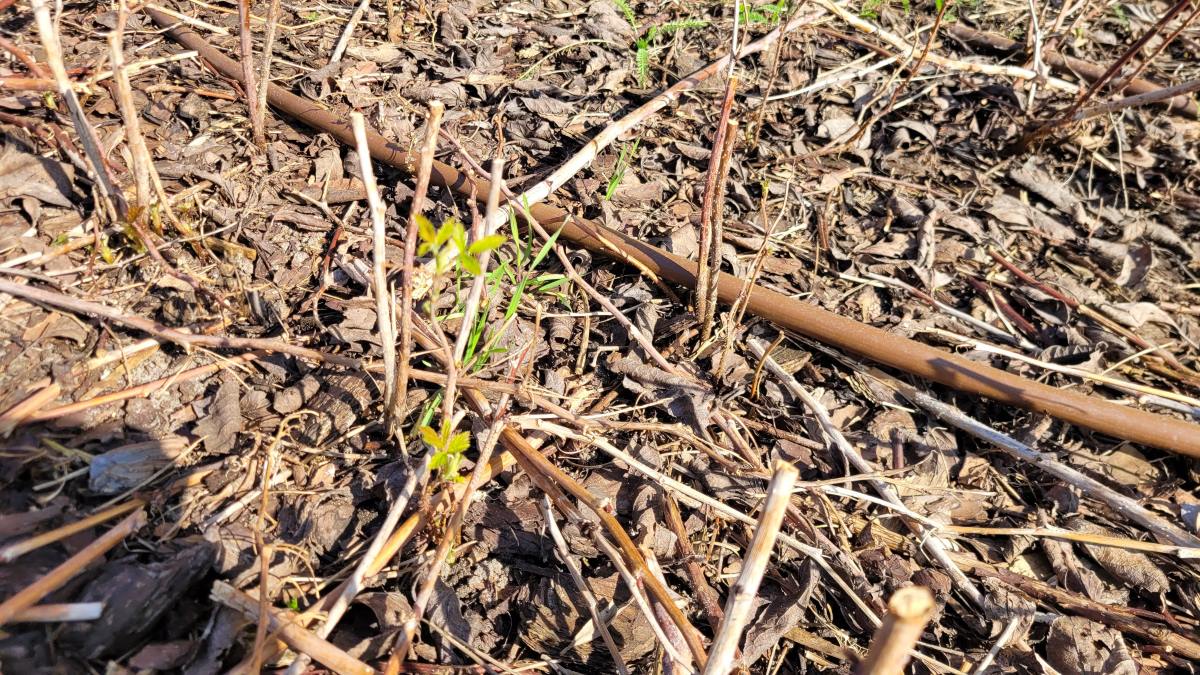
Another important step is removing weeds. Weeds not only compete with cultivated plants for water and nutrients, but may also provide favourable conditions for pests and diseases. Removing weeds before they flower helps prevent them from producing and spreading seeds, which makes garden maintenance easier later in the season. Once the weeds have been removed, it is worth focusing on preparing the garden beds. Clearing plant debris left from the previous season improves the appearance of the garden and may help reduce the risk of disease. Regular pruning and removal of dead leaves also help keep the garden clean and tidy.
How to get rid of weeds in a lawn?
To remove weeds from a lawn, a suitable selective herbicide for broadleaf weeds can be applied. Treatment is best carried out after mowing, once the weeds have had time to produce fresh young leaves. Always follow the instructions provided on the product label.
Soil preparation and fertilisation
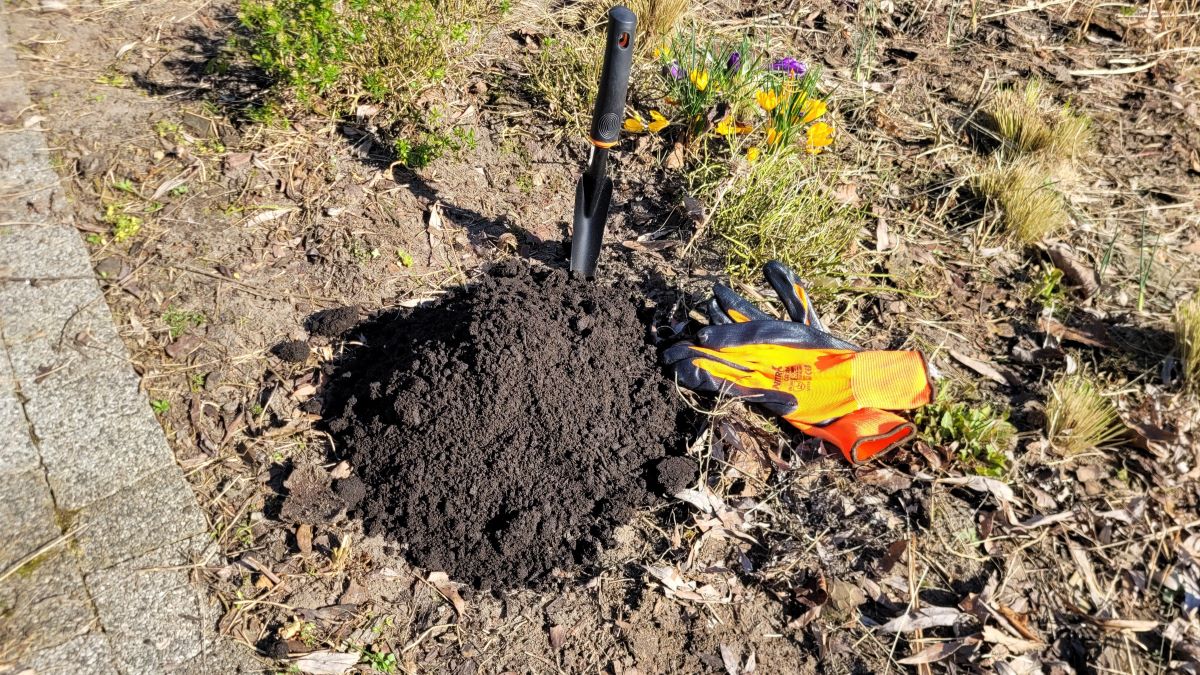
Once the soil has been cleared, it is time to prepare it for new plants. Before sowing, it is important to loosen compacted soil, which usually means digging over the vegetable garden. This is most often done using a spade or strong digging fork. The cultivated soil should then be levelled using a garden rake. This is also a good time to carry out the first spring fertilisation. Adding compost or other organic matter is an important step in improving soil fertility. Compost not only supplies valuable nutrients, but also improves soil structure and allows plant roots to develop more freely.
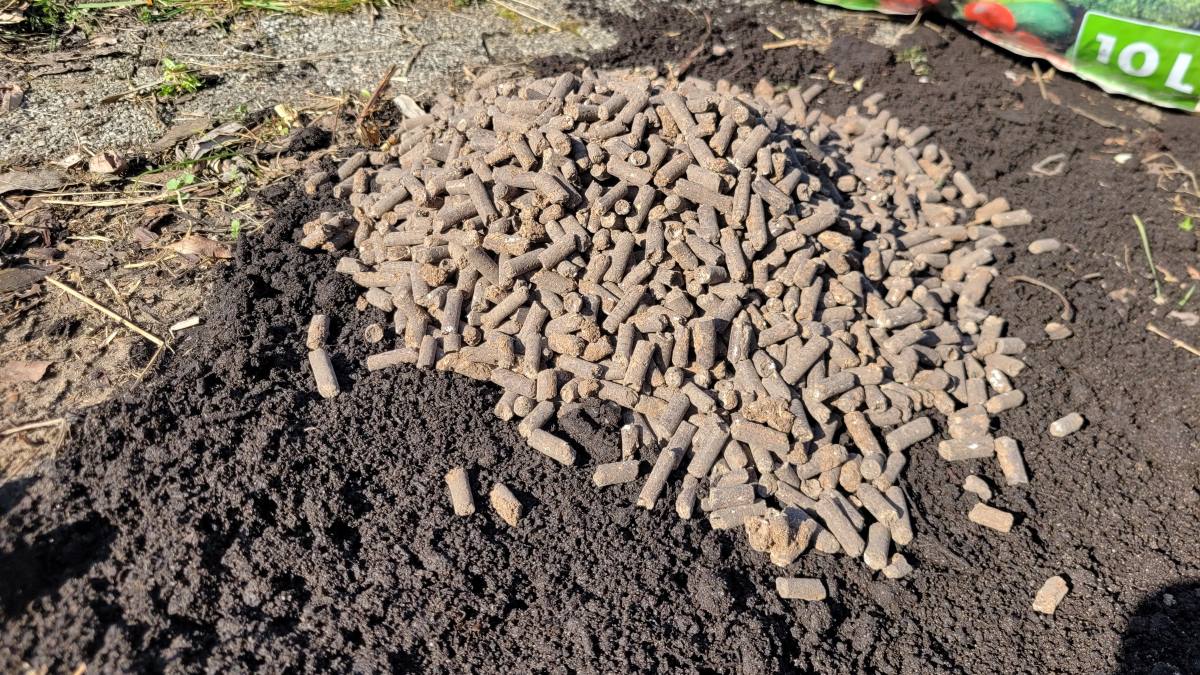
It is also worth considering the specific requirements of individual plants. Some vegetables, such as tomatoes and pumpkins, prefer fertile soil and may benefit from additional fertilisation. Organic fertilisers such as compost or manure are commonly used because they release nutrients gradually and improve overall soil condition.
What manure is best for tomatoes?
Manure used for growing tomatoes should provide a good supply of nitrogen, potassium and phosphorus. Chicken manure is particularly suitable because it is rich in nutrients and can also contain significant amounts of calcium, which is important for tomato growth and helps maintain suitable soil conditions.
How often should tomatoes be watered?
Tomatoes require regular watering, particularly during warm and dry weather. Watering is best carried out in the evening or early morning, when there is no intense sunlight. The water should not be very cold. These recommendations apply both to tomatoes grown outdoors and under cover.
| Featured Products from rabatka.pl: |
Planning vegetable beds and sowing seeds
Spring garden maintenance is an excellent opportunity to plan the layout of vegetable beds. It is worth considering which plants grow well together in order to encourage good yields and reduce the risk of pests and diseases. Companion planting, such as growing onions next to carrots or parsley, can bring a number of benefits.
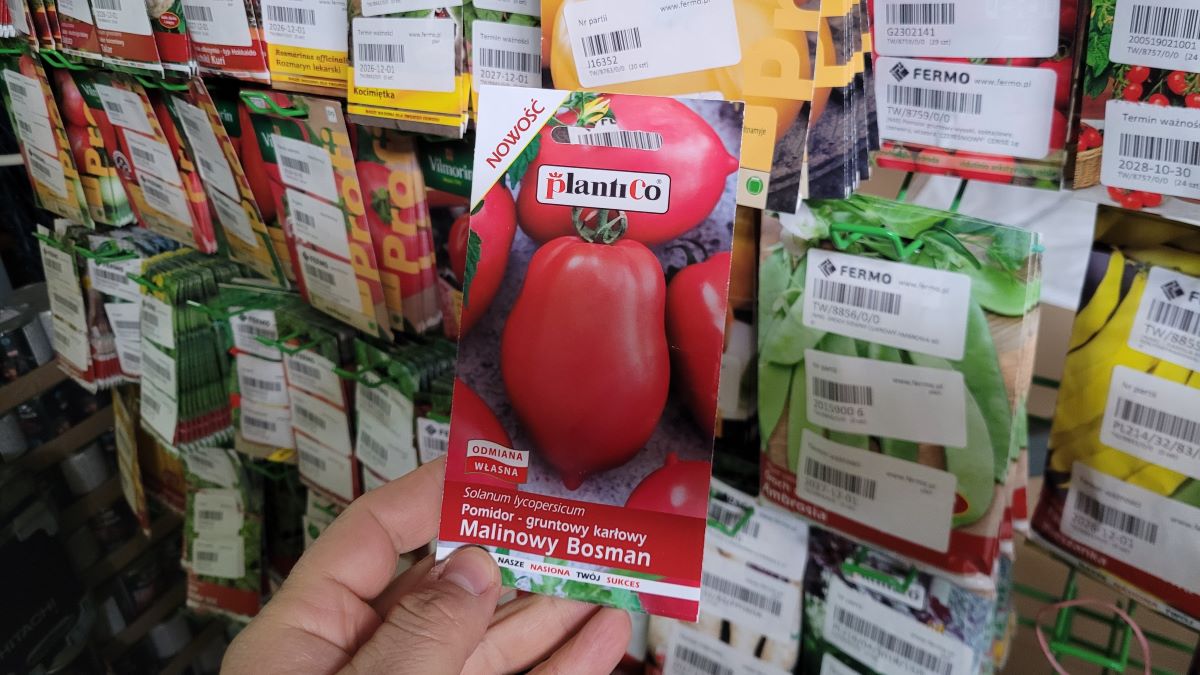
Once the layout has been planned, sowing can begin. Depending on the region and climatic conditions, some vegetables can be sown from early spring. Radishes, lettuce and spinach are often among the first vegetables to be sown once the soil has warmed sufficiently. Vegetable beds can be marked using plant labels, which makes later care easier. In addition to basic information such as the plant variety or sowing date, other details can also be added, such as information about plant protection treatments.
When to sow carrots?
In regions with a mild climate, carrots are usually sown around late March or early April once the soil temperature rises above approximately 7oC. The soil should be well loosened before sowing, and carrot seeds should be placed at a depth of approximately 1–2 cm.
When to sow parsley?
Parsley seeds can be sown directly into the ground when the soil temperature is around 7–10oC. In most parts of Poland, this period usually falls at the beginning of April. The seeds should be sown evenly in prepared rows at a depth of approximately 1 cm. Remember to loosen the soil and remove weeds before sowing.
Protection against pests and diseases
It is worth taking preventive measures to protect the garden against potential pests and diseases. There are many natural methods that can help discourage harmful insects. For example, planting marigolds or mint near vegetable beds may help reduce the presence of aphids and other pests. If more serious problems occur, suitable plant protection products may be required. Biological products are also available for controlling certain pests while limiting their impact on the environment. Always follow the manufacturer's instructions carefully when using such products.
Regular watering and observation
Finally, the key to success in a vegetable garden is regular irrigation and systematic fertilisation. Regular watering, monitoring plants for signs of disease or pests and carrying out appropriate maintenance are all essential for healthy plant growth. It is also worth keeping detailed notes, including sowing dates, fertilisation and preventive treatments. This makes it easier to monitor progress, learn from previous seasons and plan future gardening work.
| Featured Products from rabatka.pl: |
Spring garden maintenance is not only about work, but also about the pleasure of watching our efforts result in healthy plants and abundant harvests. Enjoy every moment spent among your plants, because a garden is at its best when it is full of life and fresh produce. May the spring season bring you plenty of tasty and healthy vegetables straight from your own garden!