
Minerals play an extremely important role in the diet of chickens. They are not only building components of the body and eggshells, but they also influence metabolism and play an important role in immunity. Minerals are components of enzymes, hormones, vitamins and amino acids. Many elements stimulate the body to produce antibodies, which in turn help protect birds against disease. Both mineral deficiencies and excessive mineral intake are undesirable in poultry nutrition. They can lead to serious disorders such as rickets, unwanted behaviours including cannibalism, feather pecking and egg eating, as well as reduced egg production and hatchability. In this article, we discuss the most important minerals in chicken nutrition and explain the consequences of both deficiencies and excesses.
Post Contents [hide]
- Calcium in the Diet of Chickens – Essential for Healthy Layers and Broilers
- Natural Sources of Calcium for Chickens
- Phosphorus in the Diet of Chickens – Calcium’s Essential Partner
- Macro- and Micromineral Deficiencies in Chicken Nutrition
- Mineral Pecking Block for Chickens as Support Against Mineral Deficiencies
- Bibliography
Calcium in the Diet of Chickens – Essential for Healthy Layers and Broilers
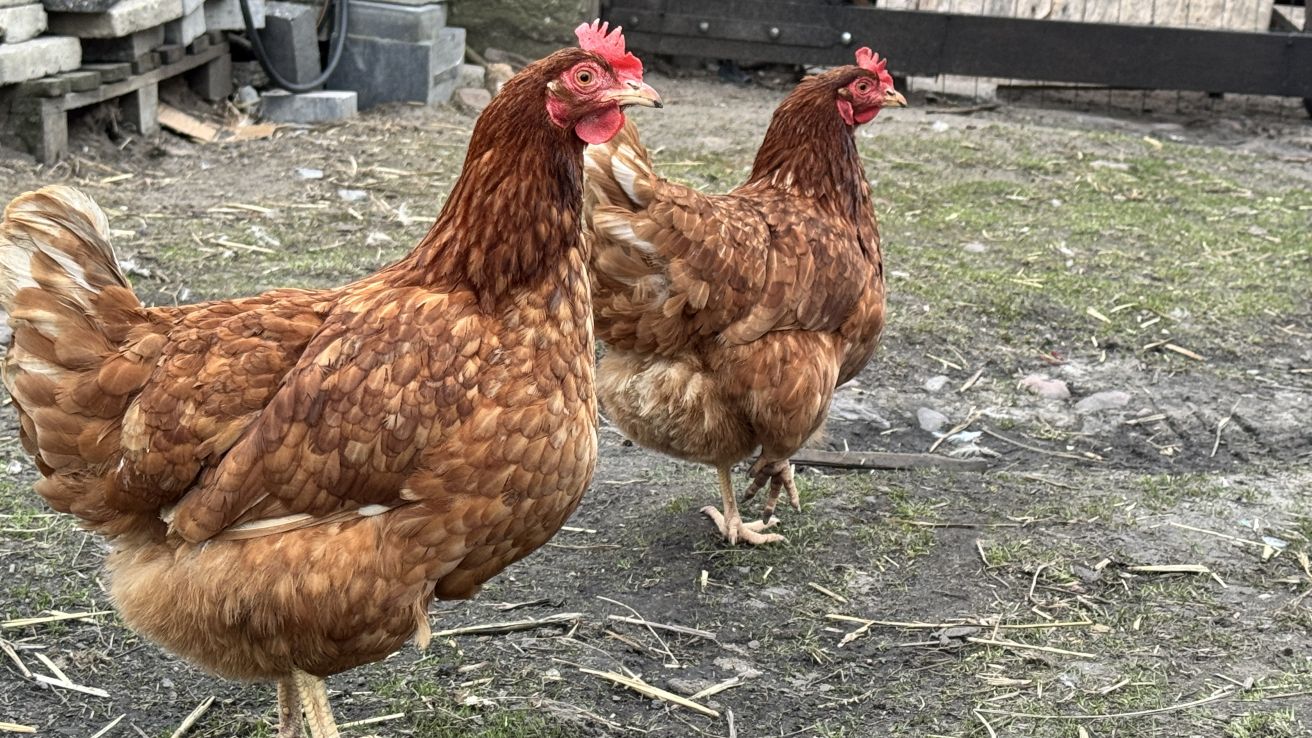
Proper calcium and phosphorus metabolism is extremely important in both laying hens and broilers. It depends not only on the amount of these minerals present in feed, but also on how efficiently they are absorbed in the intestines and on the proportions in which they occur in relation to each other and to other minerals. Vitamin D3 also plays an important role by supporting their absorption. Bone tissue, especially medullary bone, acts as the main calcium reserve in birds. Calcium stored there is used for eggshell formation.
Calcium requirements vary depending on the age and production stage of the birds – chicks require approximately 0.8%, while laying hens with an egg production level of 75–80% require around 3% calcium. Calcium deficiency negatively affects eggshell quality and hatchability. It may also result in slower growth and reduced egg production. Spots may appear in egg yolks. Prolonged calcium deficiency can lead to ovarian regression, enlargement of the adrenal glands, osteoporosis and rickets. Birds suffering from calcium deficiency may develop leg paralysis, bone fractures and weakened ligaments. Excessive calcium intake is also harmful, particularly because it may reduce productivity and slow the growth rate of young chickens.
Symptoms of Calcium Deficiency in Chickens
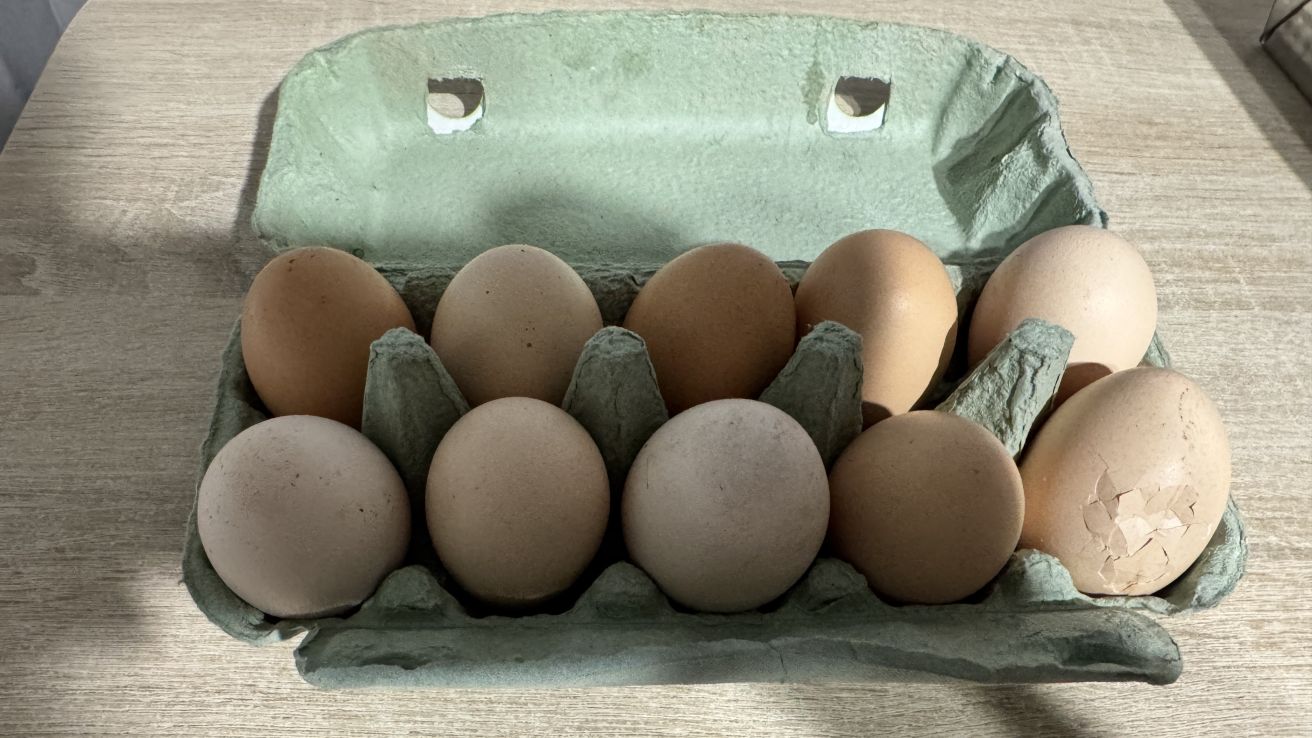
- thin and brittle eggshells,
- shell-less eggs,
- reduced egg production,
- lameness and weak legs,
- brittle bones,
- poor overall flock condition.
Natural Sources of Calcium for Chickens
The main sources of calcium in chicken diets include:
- feed-grade chalk,
- oyster shells,
- eggshells,
- limestone meal.
Feed-grade chalk for chickens is a valuable and inexpensive feed supplement. Adding it to feed can produce visible results relatively quickly. Chalk is particularly recommended for growing birds and laying hens. It supports the formation of stronger bones and joints and helps improve eggshell hardness. Feed chalk containing at least 36% calcium should be supplied at approximately 10 g per bird, which helps cover the daily requirement for pure calcium of around 3.2–3.6 g.
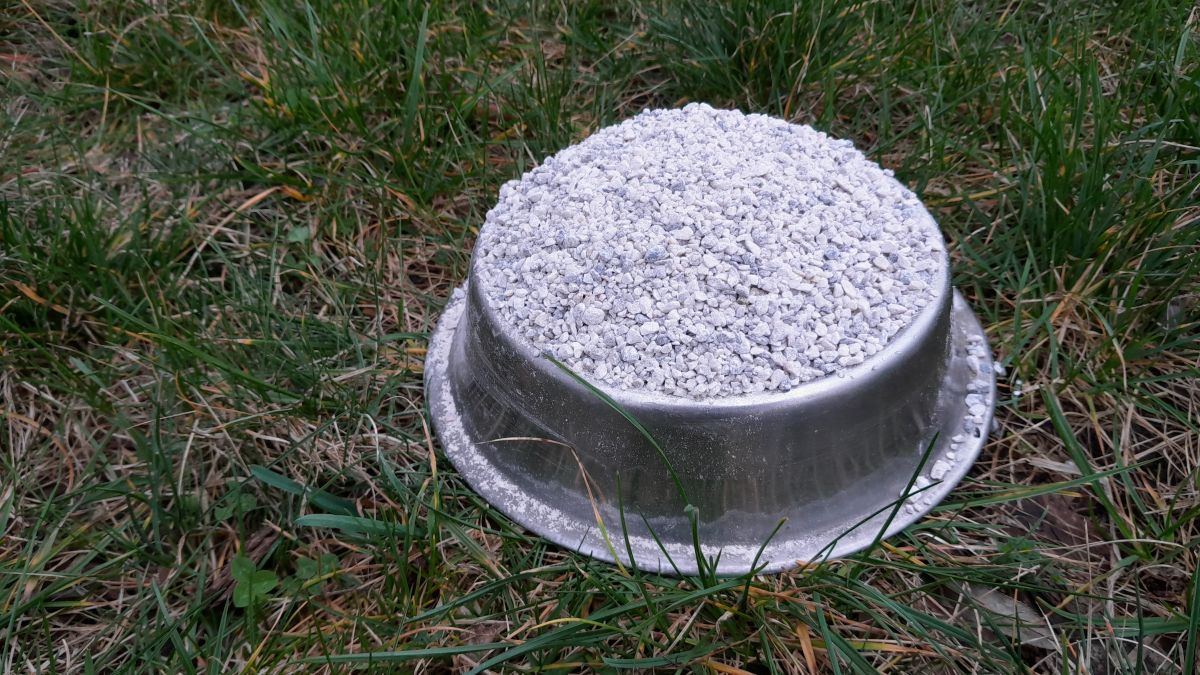
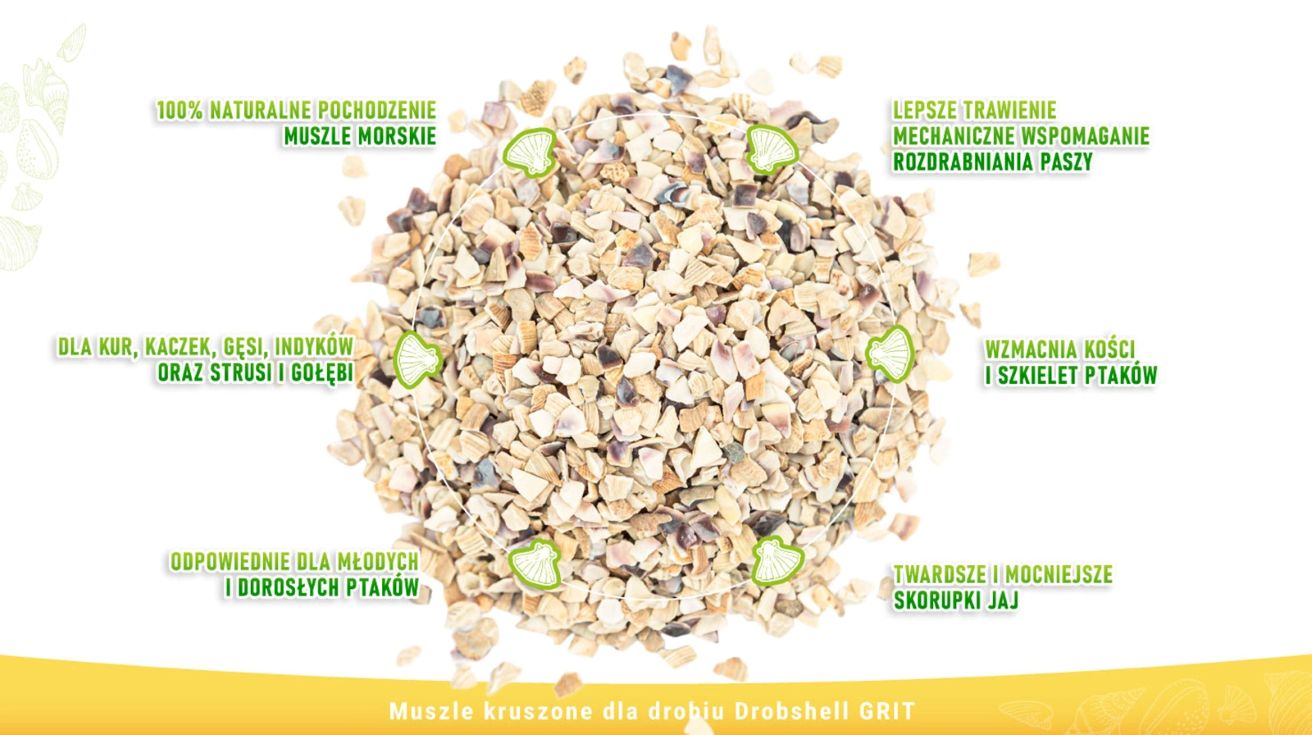
Oyster shells are an alternative source of calcium and are best offered in a separate feeder, allowing hens to consume as much as they need instinctively. Different particle sizes are recommended depending on the age of the birds:
- chicks and young pullets: 1–2 mm,
- adult birds: 3–5 mm.
Phosphorus in the Diet of Chickens – Calcium’s Essential Partner
Phosphorus is essential for bone mineralisation and eggshell formation, as well as for normal cellular metabolism. The phosphorus requirement of poultry depends on several factors, but it is closely related to calcium intake. The optimal ratio between these two minerals is generally considered to be 2:1 (calcium to phosphorus). In laying hens, the ratio may be higher and can reach 3:1.
Phosphorus deficiency in chickens most commonly occurs when birds are fed plant-based diets that are low in phosphorus, particularly when crops have been harvested during periods of drought. Phosphorus deficiency may result in poor growth and reduced fertility. It can also interfere with proper calcium absorption. Excessive phosphorus intake, on the other hand, may contribute to bone degeneration in young birds.
Macro- and Micromineral Deficiencies in Chicken Nutrition
In addition to calcium and phosphorus, many other macro- and microminerals are essential for immunity, growth and reproduction.
| Mineral | Effects of Deficiency | Effects of Excess |
|---|---|---|
| Sodium and chlorine | Digestive disorders Reduced growth Reduced egg production Cannibalism |
Poisoning |
| Magnesium | Loss of appetite Drowsiness Rapid breathing and arrhythmia Reduced growth Reduced egg production Higher embryo mortality |
Reduced growth Diarrhoea Weaker eggshells Poisoning |
| Sulphur | Poor feather development | Digestive disorders |
| Potassium | Growth inhibition Paralysis General weakness |
Impaired absorption of other minerals Reduced egg production |
| Iron | Anaemia Feather discolouration Small, pale spleen Reduced immunity |
Iron excess is uncommon |
| Manganese | Impaired bone formation Growth inhibition Reduced egg production Perosis – swelling and deformation of joints High embryo mortality |
Neurological problems |
| Selenium | Growth inhibition Liver dystrophy White muscle disease Exudative diathesis |
Poisoning Growth inhibition Reduced hatchability Swelling of the head and neck |
| Zinc | Shortened bones Growth inhibition Loss of appetite Poor feathering Brittle feathers Underdevelopment of embryo wings and legs |
Poisoning |
| Copper | No typical deficiency symptoms listed | Poor growth in chicks Poisoning |
| Iodine | Reduced growth Feather loss Delayed sexual maturity |
Reduced fertility |
Mineral Pecking Block for Chickens as Support Against Mineral Deficiencies
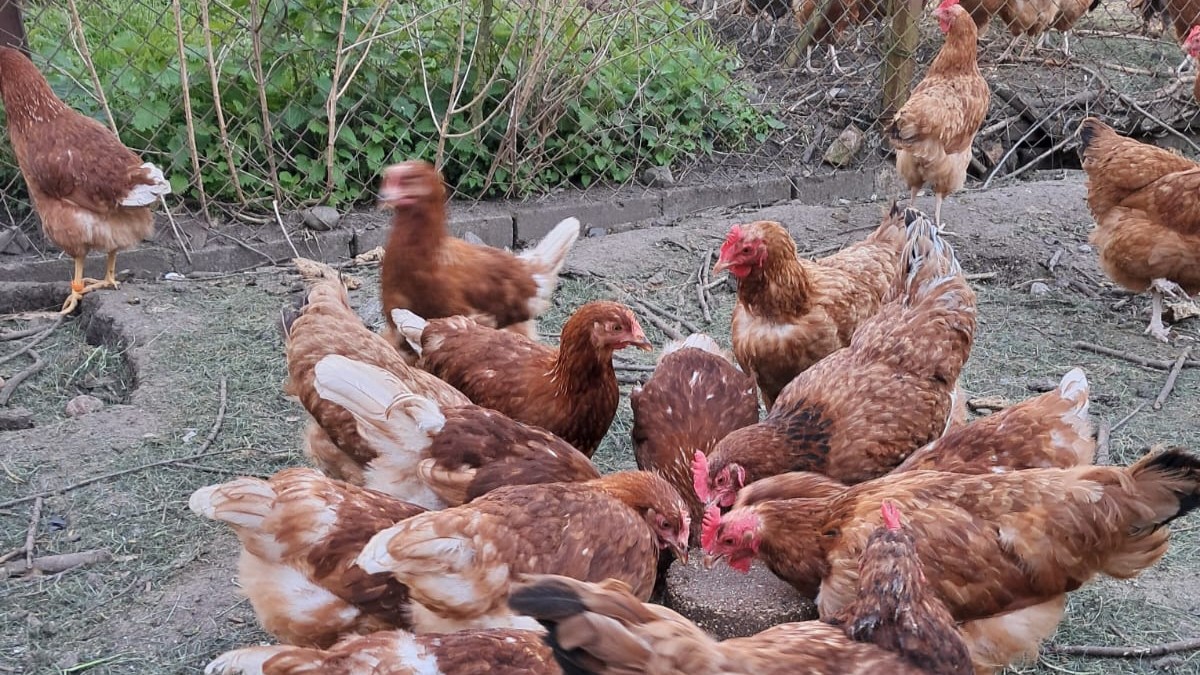
In backyard chicken keeping, mineral pecking blocks are becoming increasingly popular because they combine mineral supplementation with natural behavioural enrichment. The Peckit 4 kg mineral pecking block provides calcium, sodium, phosphorus and magnesium, as well as zinc, manganese, iron, copper, iodine, selenium and vitamins.
What makes it different from many other mineral feed supplements is that it also encourages birds to stay active, helping to reduce boredom within the flock. Regular use of the Peckit mineral block supports eggshell quality and bone condition and may help reduce undesirable behaviours associated with stress and boredom, such as cannibalism and feather pecking.
Bibliography
- W.B. Borzemska: “Vademecum chorób drobiu”
- Z. Wachnik: “Choroby drobiu”
- A. Gostyński: “Jak zapobiegać chorobom zwierząt”