
Rodents have appeared in your home, so you take action to reduce the damage caused by rats or mice. You may decide to use rodent bait in the form of paste, blocks or granules and place it along walls or in areas where rodents are active. However, unsecured bait can attract pets and may be accidentally eaten by a dog or cat. This is a serious and often underestimated risk that can have life-threatening consequences.
Rodenticide poisoning in dogs and cats may initially cause no obvious symptoms, especially in the case of anticoagulant baits. By the time visible signs appear, the animal may already require urgent veterinary treatment. It is therefore essential to know how to use rodenticides safely, how to recognise possible poisoning and what to do in an emergency.
In this article, we explain the most common symptoms of rodenticide poisoning in pets, what first-aid steps should be taken, how veterinary treatment may be carried out and how to protect dogs and cats from accidental exposure to rodent bait.
Post Contents [hide]
- Why Are Dogs and Cats Attracted to Rodent Baits?
- The Most Dangerous Types of Poison for Pets
- How to Tell If a Dog Has Been Poisoned by Rodenticide
- What to Do If a Dog or Cat Swallows Poison – First Aid Step by Step
- Veterinary Treatment of Rodenticide Poisoning
- How to Use Rodent Bait Safely Around Dogs and Cats
-
FAQ – Frequently Asked Questions
- Can I Make My Dog Vomit After It Eats Rat Poison?
- How Quickly Should I React If My Pet Eats Rodenticide?
- Can Even a Small Amount of Rodenticide Be Dangerous?
- How Can I Tell Whether It Is Rodenticide Poisoning or an Illness?
- Can a Cat Be Poisoned by Eating a Mouse That Has Consumed Rodenticide?
- How Long Does a Dog Need to Take Vitamin K1 After Anticoagulant Rodenticide Poisoning?
Why Are Dogs and Cats Attracted to Rodent Baits?
A dog or cat may be interested in rodent bait not only because of natural curiosity. Rodenticides often contain attractive flavourings and food-based ingredients, including cereal, vanilla, aniseed or fruit aromas, which can make them appealing to animals. Many products contain a bittering agent intended to reduce accidental ingestion, but this does not guarantee that a pet will avoid the bait.
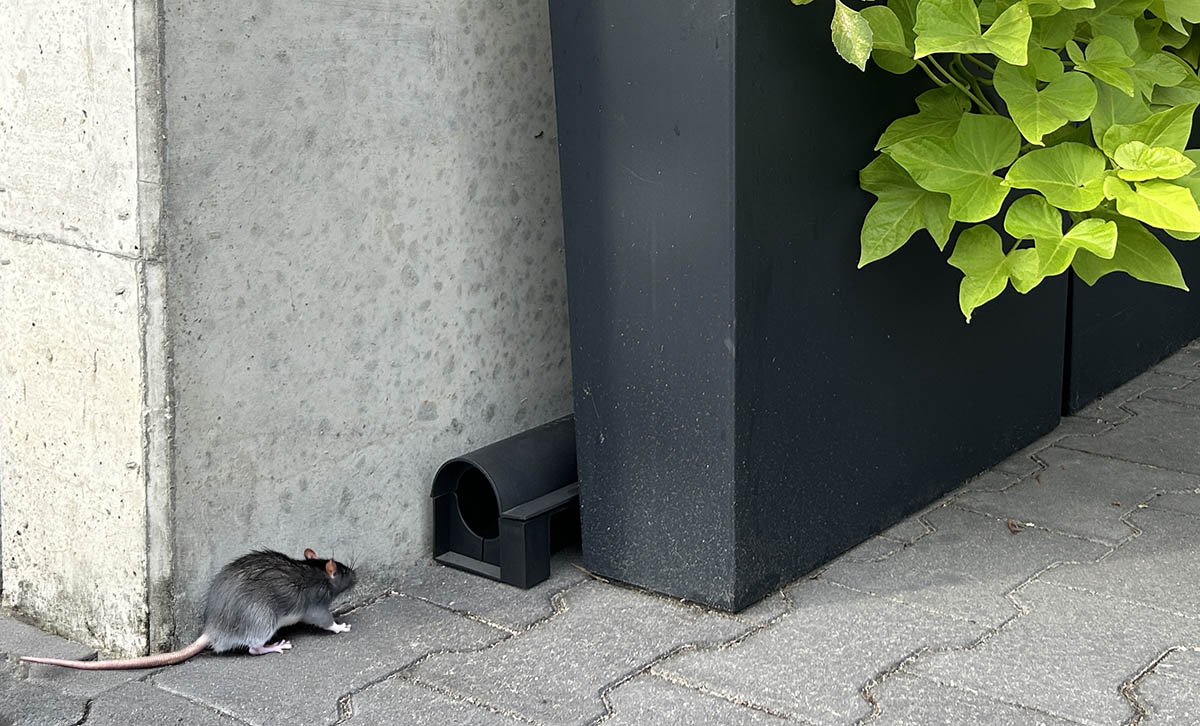
Dogs, particularly puppies and young animals that chew objects, may still consume rodenticide. Outdoor cats may also be exposed indirectly by eating a poisoned rodent. This is known as secondary poisoning. Granular formulations may be especially attractive because they can resemble dry pet food or treats.
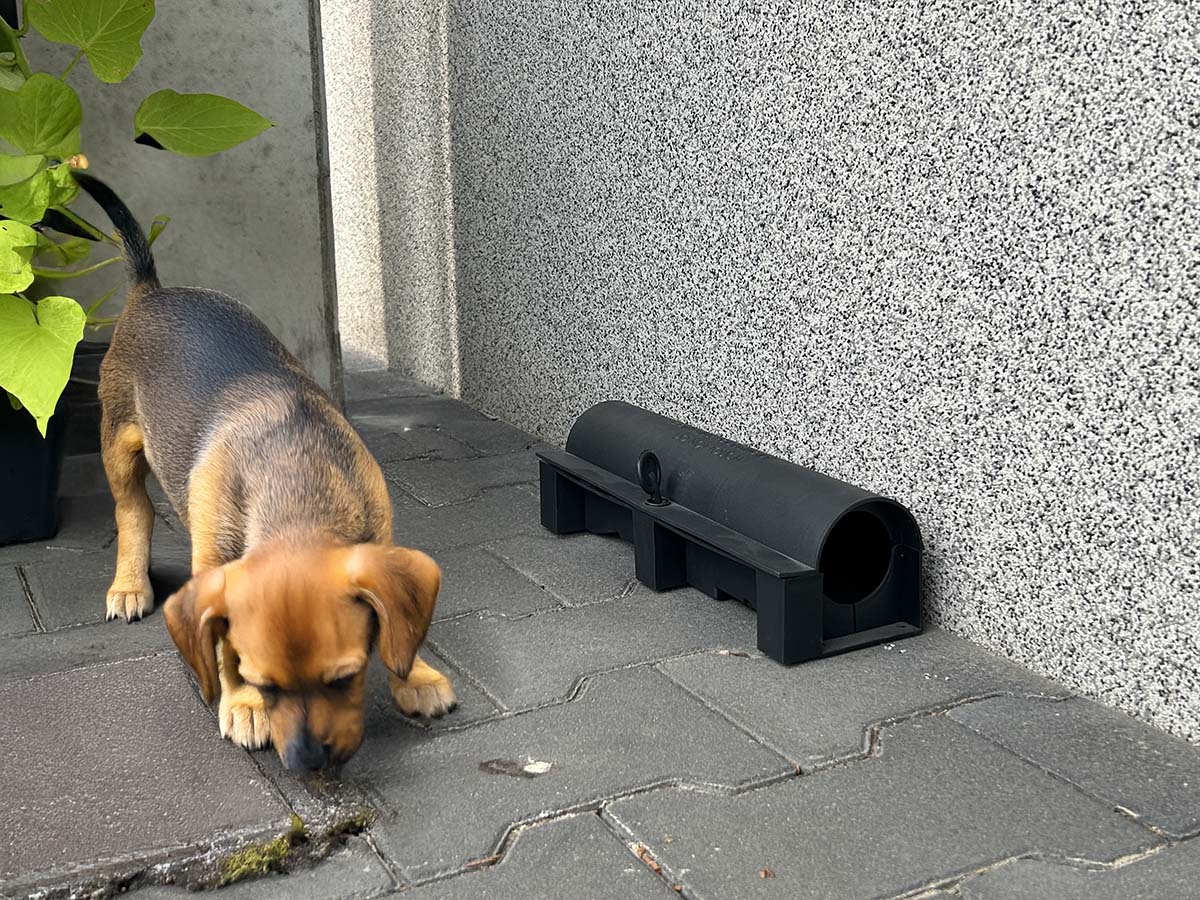
For this reason, it is essential that rodent bait is always placed in properly secured locations that pets cannot access. Rodenticides are commonly used in gardens, garages, basements, warehouses, farm buildings and other areas where rodents may occur. Wherever dogs or cats are present, additional precautions are necessary.
One of the most common mistakes is placing bait loose on the floor or on open trays. Such containers may resemble feeding dishes and can encourage pets or other non-target animals to investigate them. Rodenticides should also not be mixed with pet food or other products unless specifically permitted by the product label. Doing so may increase the risk to non-target animals and interfere with correct bait application.
Common products that may cause poisoning in pets include:
- rat and mouse poisons,
- insecticides,
- slug and snail control products.
Any suspected ingestion of a toxic pest-control product should be taken seriously. The exact risk depends on the active substance, dose and animal’s body weight.
The Most Dangerous Types of Poison for Pets
Rodenticides, insecticides and slug pellets may contain toxic active substances that pose a serious risk to dogs and cats. Knowing which active substance is present can help a veterinarian choose the most appropriate treatment.
Anticoagulant rodenticides are available in different forms, including blocks, granules and paste. They interfere with normal blood clotting and may cause internal or external bleeding.
Anticoagulant rodenticides are commonly divided into:
- first-generation anticoagulants – such as warfarin, which generally require repeated feeding by the target rodent,
- second-generation anticoagulants – such as bromadiolone, used in some X-RAT PRO rodenticides, which are more potent and may remain active in the body for longer.
Anticoagulant rodenticides act slowly, so clinical signs may not appear immediately after ingestion. This delayed onset is one of the reasons suspected poisoning should be reported to a veterinarian even when the animal appears normal.
Insecticides are available as concentrates, sprays and powders. Some products may contain organophosphates or carbamates. Depending on the active substance and dose, poisoning may cause excessive salivation, vomiting, neurological symptoms, breathing problems and other serious signs.
Slug and snail control products may contain substances such as metaldehyde. Metaldehyde poisoning can develop rapidly and may cause tremors, seizures, excessive salivation, increased body temperature and breathing difficulties. Immediate veterinary treatment is required.
How to Tell If a Dog Has Been Poisoned by Rodenticide
The symptoms of poisoning depend on the active substance, amount consumed, time since ingestion and the animal’s body weight. Possible signs include:
- digestive symptoms: vomiting, diarrhoea, loss of appetite and excessive salivation;
- respiratory and circulatory symptoms: breathing difficulties, weakness and an increased heart rate;
- neurological symptoms: tremors, seizures, unsteady gait, lethargy or loss of consciousness.
In cases of anticoagulant rodenticide poisoning, additional symptoms may include pale gums, weakness, bruising, nosebleeds, blood in the urine or stool, coughing, breathing difficulties or internal bleeding.
Symptoms may be delayed and may not appear for several days. Therefore, if you know or suspect that your pet has eaten rodenticide, do not wait for symptoms to develop before contacting a veterinarian.

What to Do If a Dog or Cat Swallows Poison – First Aid Step by Step
- If you know or strongly suspect that your dog or cat has swallowed poison, stay calm and act quickly.
- Contact a veterinarian or 24-hour veterinary clinic immediately. Do not wait for symptoms to appear.
- Tell the veterinarian exactly what happened, including the name of the product, active substance if known, approximate amount consumed, time of ingestion and the animal’s body weight.
- Do not give your pet milk, oil, medication or any home remedy unless specifically instructed by a veterinarian.
- Do not induce vomiting unless a veterinarian tells you to do so. Vomiting may be inappropriate or dangerous with certain toxins or in animals that are already showing neurological symptoms.
- Take the packaging, label or remaining bait with you if possible. This can help identify the toxic substance and guide treatment.
- The veterinarian will assess the situation and decide whether decontamination, antidotes, blood tests or other treatment is required.
Remember: suspected poisoning should always be treated as an emergency. Prompt veterinary advice can significantly improve the chances of successful treatment.
Veterinary Treatment of Rodenticide Poisoning
Before treatment, the veterinarian may perform diagnostic tests depending on the type of poison and the animal’s condition. These may include a complete blood count, blood-clotting tests, biochemical tests, X-rays or ultrasound examinations.
Treatment depends on the toxin involved and how long ago it was ingested. In some cases, veterinary decontamination may include inducing vomiting, gastric lavage or administering activated charcoal. These procedures should only be carried out when medically appropriate.
In cases of anticoagulant rodenticide poisoning, the veterinarian may prescribe vitamin K1, which helps restore normal blood-clotting function. In severe cases, additional treatment may include intravenous fluids, oxygen therapy, anticonvulsant medication, blood or plasma transfusions and other supportive care.
The earlier treatment begins, the better the chances of preventing serious complications.
How to Use Rodent Bait Safely Around Dogs and Cats
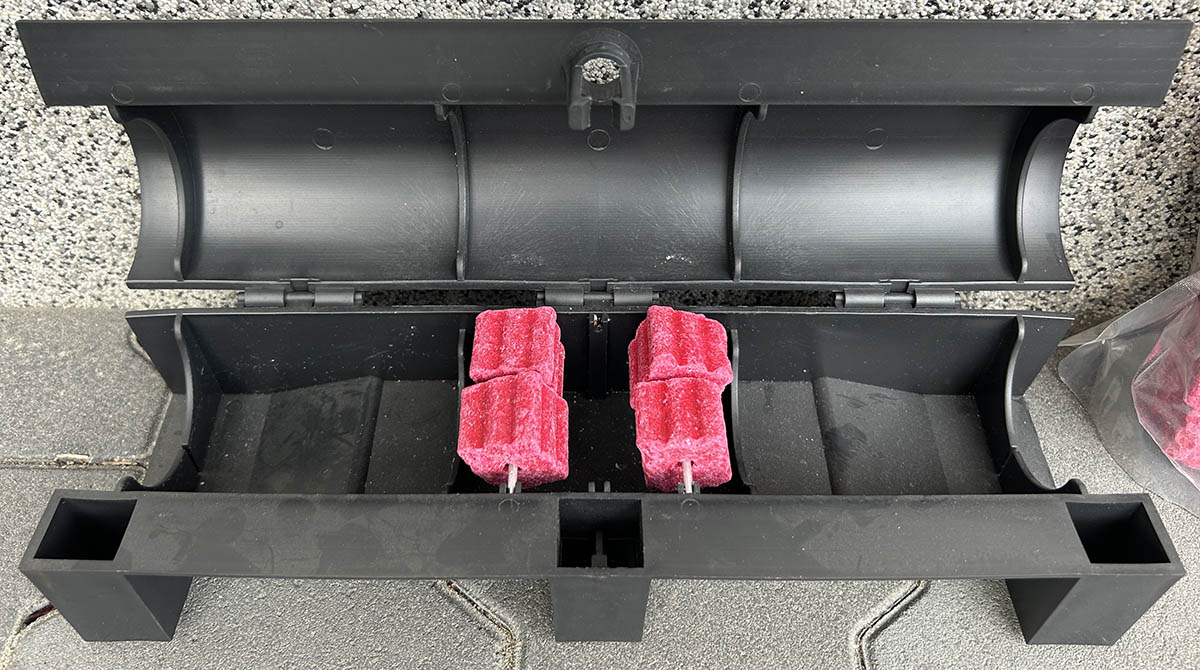
The safest way to place rodenticide where pets may be present is to use specially designed tamper-resistant bait stations. These stations help restrict access by dogs, cats and other non-target animals while allowing rodent activity and bait consumption to be monitored.
Bait stations should be positioned according to the product label and secured so that they cannot easily be moved, opened or damaged by pets.
If rodent bait is placed outdoors, additional physical barriers may be useful in areas accessible to pets. Dogs should not be allowed to investigate baiting points, and dead or dying rodents should be removed promptly to reduce the risk of secondary poisoning.
Where appropriate, non-chemical alternatives may include mechanical snap traps, live-capture traps and preventive rodent-proofing. Sealing gaps in buildings, removing food sources and reducing access to shelter can significantly reduce rodent activity.
FAQ – Frequently Asked Questions
Can I Make My Dog Vomit After It Eats Rat Poison?
Do not induce vomiting without first consulting a veterinarian. Whether vomiting is appropriate depends on the type of poison, the animal’s condition and the time since ingestion. In some circumstances, inducing vomiting may cause additional complications. A veterinarian should decide whether this procedure is appropriate.
How Quickly Should I React If My Pet Eats Rodenticide?
You should contact a veterinarian immediately. Some poisons cause symptoms within minutes or hours, while anticoagulant rodenticides may not produce obvious clinical signs for several days. The absence of symptoms does not mean that the animal is safe.
Can Even a Small Amount of Rodenticide Be Dangerous?
Yes, even a small amount may be dangerous depending on the active substance and the animal’s body weight. It is not possible to determine the risk reliably without knowing the exact product and amount consumed. Any suspected ingestion should therefore be discussed with a veterinarian.
How Can I Tell Whether It Is Rodenticide Poisoning or an Illness?
Many symptoms of poisoning can resemble other illnesses. Anticoagulant rodenticides may initially cause no symptoms at all. Possible warning signs include weakness, pale gums, unusual bruising, nosebleeds, blood in the urine or stool, loss of appetite and breathing difficulties. Other poisons may cause excessive salivation, tremors, seizures or an unsteady gait.
Only a veterinarian can reliably diagnose poisoning based on the history, clinical examination and appropriate tests.
Can a Cat Be Poisoned by Eating a Mouse That Has Consumed Rodenticide?
Yes. Secondary poisoning is possible when a cat or other predator eats a rodent that has consumed rodenticide. The level of risk depends on the active substance, concentration and number of contaminated rodents eaten. Outdoor cats may therefore be at greater risk.
How Long Does a Dog Need to Take Vitamin K1 After Anticoagulant Rodenticide Poisoning?
The duration of vitamin K1 treatment must be determined by a veterinarian. It depends on the specific anticoagulant involved, the severity of exposure and blood-clotting test results. Treatment commonly lasts several weeks, but the exact duration varies between cases.