
Protecting chickens and other poultry from predators is extremely important. Keeping chickens, other poultry species and pigeons is not only enjoyable and rewarding, but also involves the constant risk of predator attacks. What kills chickens in the coop? The most common predators include foxes, martens, hawks and polecats. Predatory animals have a very strong instinct to search for food, especially when they are hungry or feeding their young – in such situations they can overcome surprisingly difficult barriers.
Predators are also highly intelligent and persistent. If they cannot get through one barrier, they will often look for another way to reach their prey. In addition to wild predators, dogs and rats can also pose a threat to poultry. Predators not only kill or carry away birds, but may also steal and eat eggs from nests, which is why the chicken coop itself must also be properly secured.
What kills chickens in the coop without eating them? One common culprit is the stone marten, which may kill several or even all birds in a flock while feeding on only one of them. It may also remove the head and leave the rest of the bird at the attack site. Similar threats also apply to pigeon keepers, who need to secure both their pigeon lofts and pigeon aviaries. Predators such as rats may not only kill birds and eat eggs from nests, but can also carry dangerous diseases such as leptospirosis, rat-bite fever and salmonellosis.
Post Contents [hide]
- What Predators Can Attack Your Chicken Coop?
- Chicken Fencing – What Is the Best Material?
- How to Deter Foxes from a Chicken Coop? Electric Fencing and Electric Poultry Nets
- Live-Capture Traps – A Method for Capturing Unwanted Animals
- How to Build a Safe Poultry Aviary – Summary
- Frequently Asked Questions
What Predators Can Attack Your Chicken Coop?
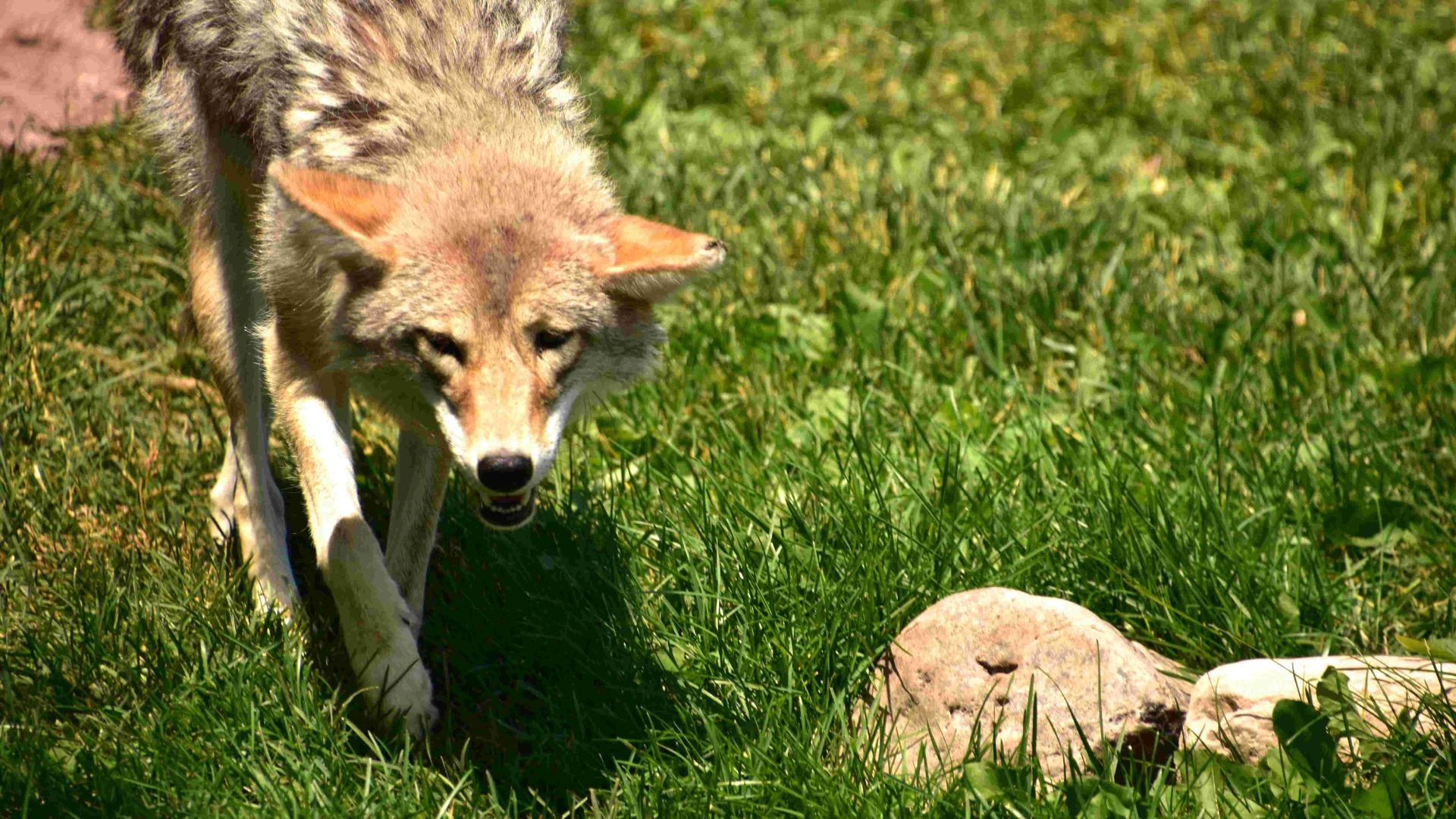
Many different predators may visit a chicken coop or pigeon loft. Below are some of the most common chicken coop predators. Martens and foxes are mammals that tend to hunt at night or around sunrise and sunset. Hawks, on the other hand, are birds of prey that hunt during the day.
- Marten in the chicken coop – there are two main species: the stone marten and the pine marten. The stone marten is more often associated with buildings and farms. It is roughly the size of a cat and may prey on poultry, but also feeds on rats, mice, frogs and insects. It may also eat or carry away eggs from the chicken coop. The legal status of martens depends on local wildlife regulations, so any control measures should comply with applicable law.
- Fox – a mammal easily recognised by its long reddish tail. Foxes mainly feed on rodents and may also eat carrion. They can carry rabies. They often hunt early in the morning, around sunrise, or late in the evening. Foxes may kill more birds than they can immediately eat, so in some cases they can destroy an entire flock.
- Hawk – a bird of prey that attacks poultry kept on free range. Hawks hunt during the day when visibility is good. They can seize a bird in flight and carry it away to a safer location. A hawk may repeatedly take individual chickens, sometimes one per day, which can make the cause of losses difficult to identify at first. Many birds of prey are legally protected, so any deterrent or control method should comply with local wildlife regulations.
Chicken Fencing – What Is the Best Material?
One of the most important elements when planning and building a poultry enclosure is the fence. A chicken run should be made from strong and durable materials – this is not the place to save on quality.
Common solutions include regular wire mesh fencing or field fencing with smaller openings near the bottom. Fence posts should be firmly installed and, where necessary, set in concrete so that the fence does not lean over time and create an easier entry point for predators.
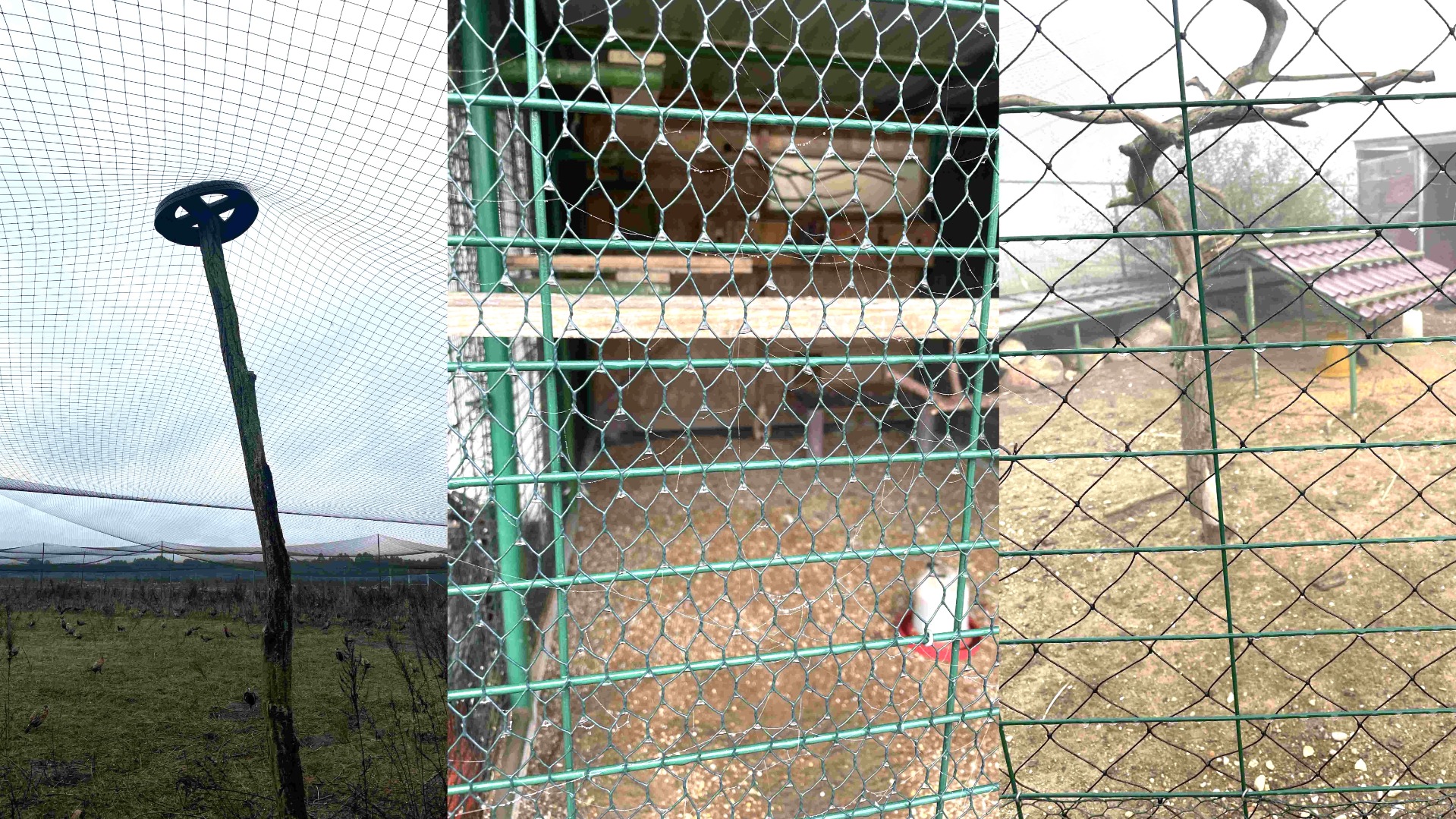
When keeping ornamental birds or separating different poultry species into sections, fine galvanised or PVC-coated welded mesh works particularly well. If an existing fence has openings that are too large, an additional layer of hexagonal poultry mesh can be installed. Many poultry keepers also make use of an existing garden or property fence made from panels with relatively large openings. In such cases, hexagonal mesh, welded wire mesh or polyethylene netting can be added to reduce the size of the openings.
Protecting Chicken Fencing Against Foxes and Martens – Lower Barrier
Predators such as martens, foxes and rats can dig underneath fences. To prevent this, part of the fencing can be buried in the ground to a depth of approximately 50 cm.
For buried sections, corrosion-resistant fencing such as galvanised or PVC-coated wire mesh is a good choice. A wire thickness of at least around 1.2 mm can provide greater resistance to damage.
If burying the fence is not possible, a concrete base or perimeter barrier can be used instead. Part of the concrete barrier is installed below ground while the remaining section extends above the surface. This is one of the most common ways to reinforce the lower part of a poultry enclosure.
A concrete base can also be useful during rainy weather because it helps prevent mud, litter and other debris from washing outside the fenced area, improving cleanliness and the appearance of both the chicken run and the surrounding ground.
Aviary Netting – Overhead Protection for Chicken Runs
We have already covered side fencing and underground protection, but a chicken aviary may also require protection from above. One of the most practical solutions is aviary netting.
This type of netting is often made from polyethylene fibres designed to withstand difficult outdoor conditions and UV radiation. High-quality polyethylene netting can remain usable for many years when installed correctly.
Polyethylene aviary netting may use strands of around 1 mm thickness. Although the fibres are relatively thin, the material itself can be very strong. The mesh structure is designed to resist tearing and prevent progressive unravelling.
Aviary netting is available in different mesh sizes, from very small openings to around 10 cm, depending on the intended use. For poultry and pigeons, aviary netting with a mesh size of approximately 25 mm or 40 mm is commonly used.
Installation depends on the size and shape of the area. For smaller spaces of around 10–50 m², the net can often be tensioned and attached to the side fencing with cable ties, clips or suitable polyethylene lacing cord.
Larger areas may require support posts and additional structural supports to keep the net properly tensioned. Overhead aviary netting can help protect poultry against birds of prey such as hawks and falcons and may also make it more difficult for foxes, martens and other predators to enter from above.
How to Deter Foxes from a Chicken Coop? Electric Fencing and Electric Poultry Nets
Chicken coop predators such as foxes and martens can sometimes climb fences or search for weak points around the enclosure. In addition to overhead netting, properly installed electric fencing can provide an additional deterrent. Electric fencing should always be installed according to the manufacturer’s instructions and applicable safety regulations.
Electric Fence for Foxes
One of the most effective additional barriers for protecting a chicken run can be an electric fence. The exact layout depends on the enclosure and local conditions.
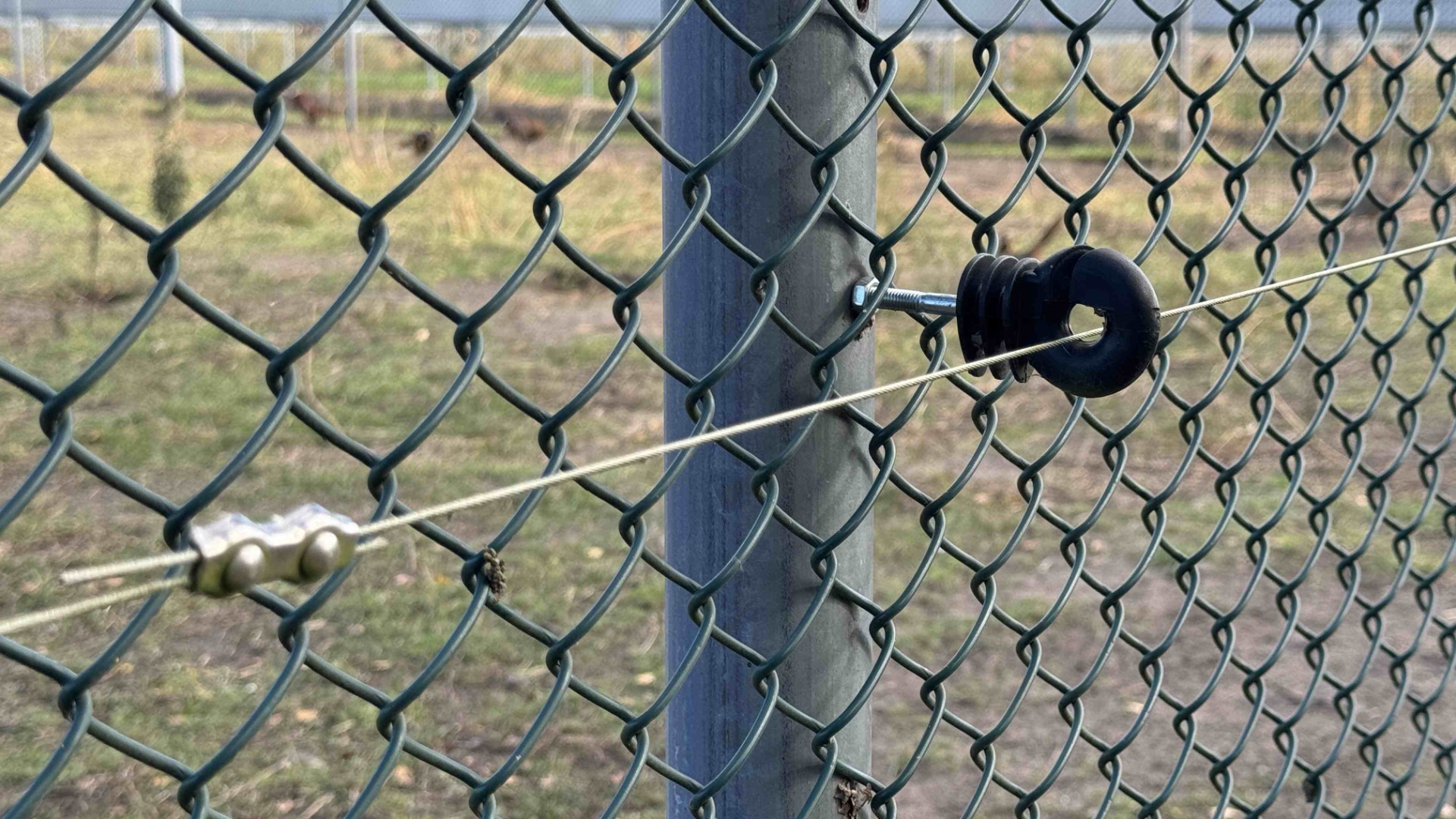
Low electrified wires or highly visible electric fence strands can be installed near ground level to discourage animals from approaching or digging beneath the fence. Additional strands may be positioned higher up where climbing predators are likely to make contact.
When electric fencing is mounted on an existing fence, correct earthing, conductor placement and insulation are essential for safe and effective operation. Suitable electric fence posts or insulators mounted to existing wooden or metal posts can be used to support the conductors.
The central component of the system is the electric fence energiser. The required performance should be selected according to the length of the fence, vegetation load, type of conductor and target animal. The choice of energiser also depends on the available power source – mains power, battery or another approved system.
Ready-made electric fencing kits are also available.
Electric Poultry Netting – Quick and Easy Protection
Electric netting is another way to create or reinforce a poultry enclosure. One of its main advantages is that it is a ready-made system that can be unrolled and connected to a suitable energiser, making installation and removal relatively easy.
For poultry, it is best to choose netting with smaller openings near the bottom. Electric poultry netting is also mobile and can be moved between different areas, which makes it useful when rotating pasture or dividing a larger site into separate poultry runs.
Multiple sections of netting can usually be connected to create larger fenced areas. However, because electric poultry nets are relatively low and may not prevent determined predators from digging underneath, they are often better treated as an additional or temporary barrier rather than the only form of predator protection.
Electric netting for fox deterrence is typically made from durable synthetic fibres combined with conductive wires and supported by robust posts designed for outdoor use. Steel conductors woven into the netting help transmit the electrical pulse.
Live-Capture Traps – A Method for Capturing Unwanted Animals
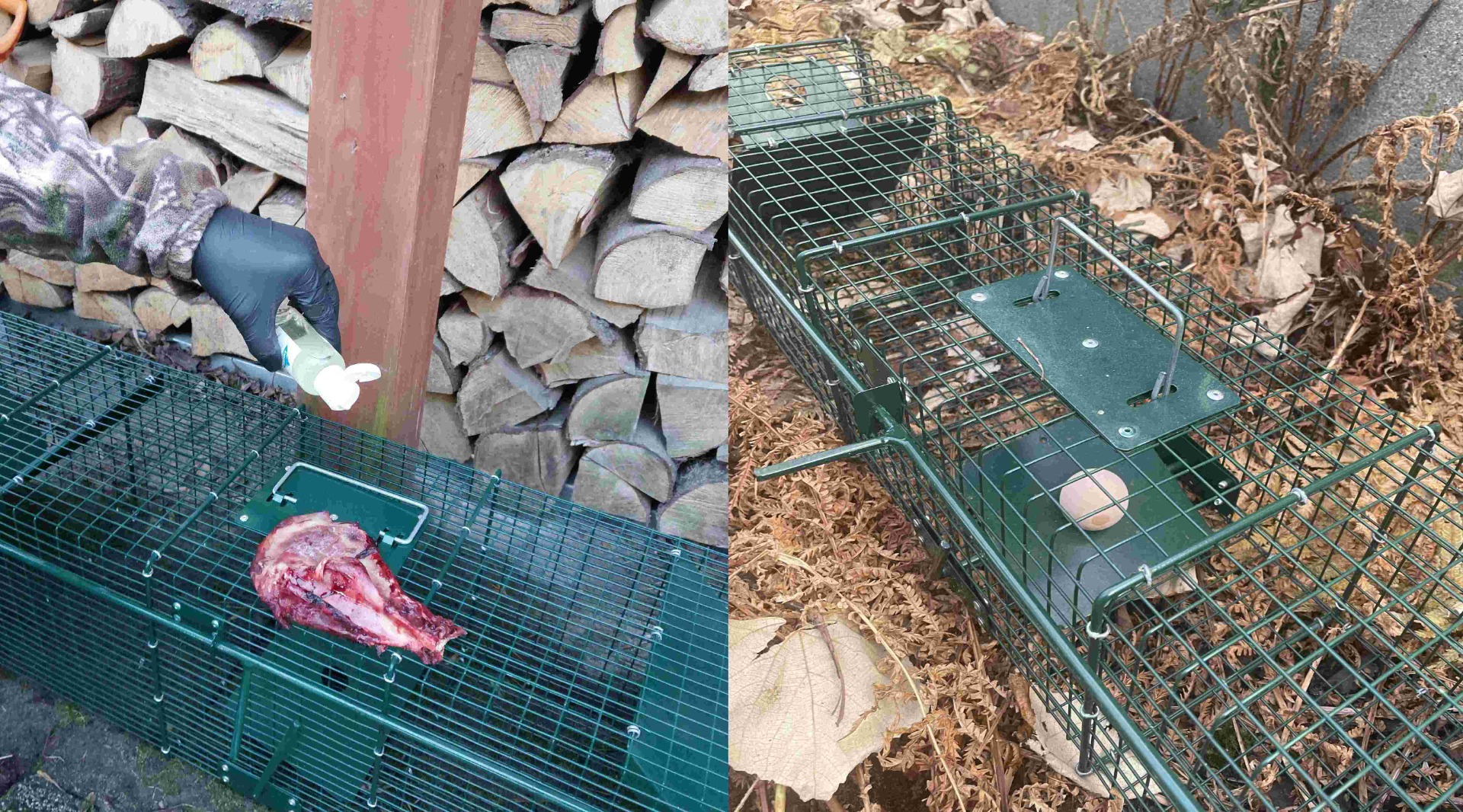
Live-capture traps are designed to capture an animal without killing it. However, the use, relocation or handling of wild animals is regulated in many countries and may require permission, particularly where protected species are involved. Before using any trap, local wildlife and animal welfare regulations should always be checked.
A typical live animal trap uses a trigger mechanism that closes the door when the animal enters and activates the plate or trigger. The choice of bait depends on the target species.
Live traps should be positioned only where their use is lawful and where they can be checked frequently to minimise stress or injury to captured animals.
How to Deter Foxes – Other Predator Protection Methods
In addition to secure poultry fencing and properly installed electric fencing, other methods can be used to reduce the risk of predator attacks:
- Visual bird-of-prey deterrents – different visual deterrent systems are available for protecting poultry from aerial predators. Their effectiveness can vary, and they should be used in accordance with local wildlife protection regulations.
- Automatic chicken coop doors – these can significantly improve the security of birds inside the coop. Foxes and other predators may try to enter at night, while automatic chicken coop doors with locking systems can help secure the entrance after birds have gone inside.
- Hukinol – scent-based wildlife repellents are used to discourage some wild animals. Products such as Hukinol imitate strong human-associated odours and are generally applied according to the manufacturer’s instructions around the area being protected.
- Electronic repellents – electronic devices may emit ultrasonic signals, flashing lights or other stimuli intended to discourage wild animals. Different electronic wildlife deterrent systems are available, sometimes with optional external speakers or additional modules.
How to Build a Safe Poultry Aviary – Summary
When starting a backyard poultry flock or a small pigeon loft, it is important to consider predator risks from the very beginning. When planning the chicken coop, outdoor run or bird aviary, predator protection should be treated as an essential part of the design.
A single successful attack can result in the loss of an entire flock, especially when valuable or rare birds are involved. Unfortunately, no single protection method is guaranteed to be 100% effective, which is why combining several different barriers and deterrents is usually the most sensible approach.
Frequently Asked Questions
What Kills Chickens at Night?
The most common predators include foxes and martens. Foxes may carry away individual birds, while martens can sometimes kill several birds during a single attack. If chickens are found dead with damage concentrated around the head or neck, a marten may be one possible cause.
What Is the Best Way to Protect a Chicken Coop from Foxes?
A combination of several barriers is usually most effective:
- Bury strong wire mesh around the perimeter,
- Use a properly installed electric fence where appropriate,
- Install secure automatic chicken coop doors that close at night.
How Can You Deter Foxes?
Possible deterrents include scent-based repellents, secure electric fencing, motion-activated lighting and electronic deterrent devices. For best results, combine deterrents with strong physical barriers rather than relying on a single method.
How Deep Can a Fox Dig?
Foxes are capable diggers and may dig beneath fences. For this reason, poultry fencing is often buried around 50 cm into the ground or combined with a horizontal or concrete anti-dig barrier.
Do Foxes Attack Chickens During the Day?
Yes. Although foxes are often associated with evening and nighttime activity, they can also hunt during daylight hours, particularly when feeding young.
Do Foxes Eat Eggs?
Yes. Foxes may eat eggs found in poultry nests and can also carry them away.
How Can You Protect Chickens from Hawks?
One of the most reliable physical methods is to install aviary netting above the outdoor run. Polyethylene netting with mesh sizes such as 25 mm or 40 mm is commonly used because it is lightweight, durable and suitable for outdoor conditions.
What Is the Best Mesh for a Chicken Coop?
Strong galvanised welded wire mesh with a wire thickness of at least around 1.2 mm and relatively small openings, for example 19 × 19 mm, is a good choice for predator-resistant poultry fencing. Lighter mesh may be suitable as an additional barrier, but should not always be relied upon as the main predator-proof fence.