
Poultry slaughter on a small farm is a natural part of rural life and everyday poultry keeping. On farms where chickens, ducks, geese, turkeys or quail are raised, there eventually comes a time when poultry slaughter for personal consumption may be carried out. For many farmers and poultry keepers, this is a normal practice associated with self-sufficiency and a traditional approach to food production.
Some people carry out home poultry slaughter only occasionally for their own family, for example to prepare fresh meat for holidays or preserves. Others keep poultry on a slightly larger scale and may supply meat through legally permitted local channels. Regardless of the purpose, the process requires proper preparation, hygiene and compliance with animal welfare rules. Under applicable regulations, even slaughtering chickens on a household farm must be carried out as quickly and effectively as possible while avoiding unnecessary suffering. This is not only a legal obligation, but also a matter of respect for the animal. For this reason, anyone carrying out poultry slaughter for personal use should understand the basic rules and know how to ensure humane handling throughout the process.
Post Contents [hide]
What Is Poultry Slaughter and When Is It Carried Out?
Poultry slaughter is the process of obtaining meat in a safe, hygienic and as humane a manner as possible. In practice, this means ending the animal’s life while minimising stress and suffering. On poultry farms, slaughter is a natural part of the production cycle, whether the birds are chickens, turkeys, ducks, geese or quail.
In most cases, poultry slaughter on a farm is carried out when birds reach the desired slaughter weight or are no longer required for production, for example older laying hens. In small farms and household flocks, poultry slaughter for personal consumption is common. For many people, it is a way of obtaining fresh poultry meat from birds raised under known feeding and housing conditions.
Difference Between Home and Industrial Poultry Slaughter
Home poultry slaughter differs from industrial slaughter mainly in scale, equipment and supervision. On a small farm, the process is usually carried out manually with basic tools, without automated production lines or specialised machinery. Responsibility for hygiene and animal welfare rests with the poultry keeper.
Industrial poultry slaughter, on the other hand, takes place in large processing plants under veterinary supervision and with specialised equipment for stunning, bleeding and meat processing. Despite these differences, the objective is the same: to obtain meat in a clean, safe and lawful way while respecting animal welfare. Both in large slaughterhouses and on small farms, humane handling, bird welfare and compliance with applicable regulations are essential.
Legal Regulations for Poultry Slaughter in Poland
In Poland, the rules governing poultry slaughter are defined by national and EU legislation. Their purpose is to protect animals from unnecessary suffering and to ensure the hygiene and safety of poultry meat. Both farm slaughter and slaughter carried out in approved facilities must comply with the law.
The main legal acts regulating poultry slaughter in Poland include:
- The Animal Protection Act of 21 August 1997 – sets out the obligation to ensure humane treatment of animals and to minimise avoidable pain and suffering during slaughter.
- Council Regulation (EC) No 1099/2009 – an EU regulation governing the protection of animals at the time of killing, including requirements concerning stunning methods and the competence of persons carrying out slaughter.
- The Act on Products of Animal Origin of 16 December 2005 – provides rules concerning the production and handling of products of animal origin, including certain conditions related to slaughter for personal consumption.
What Are the Main Stages of Poultry Slaughter for Personal Use?
- Preparing birds before slaughter – the first stage affects both the later processing procedure and the quality of the meat. Birds should be kept calm and handled carefully before slaughter. The work area should be easy to clean and should have access to running water.
- Stunning poultry before slaughter – applicable animal welfare regulations require slaughter to be carried out using methods that minimise pain, fear and distress. Stunning must be effective and performed correctly by a competent person.
- Bleeding – after effective stunning, the bird is bled according to the applicable method and welfare requirements. The work area and equipment should be kept clean to maintain appropriate hygiene.
- Plucking and evisceration – after slaughter, feathers are removed and the carcass is prepared for further processing. Scalding may be used to make feather removal easier. Plucking can be performed manually or with a poultry plucking machine. Evisceration should be carried out carefully to avoid contaminating the meat. Knives, boards, containers and other tools should be thoroughly cleaned and disinfected before use.
- Cooling the meat – the final stage is rapid cooling under hygienic conditions. Proper refrigeration helps slow bacterial growth and maintain meat quality and freshness.
Poultry Killing Cone – How Can It Make Processing Easier?
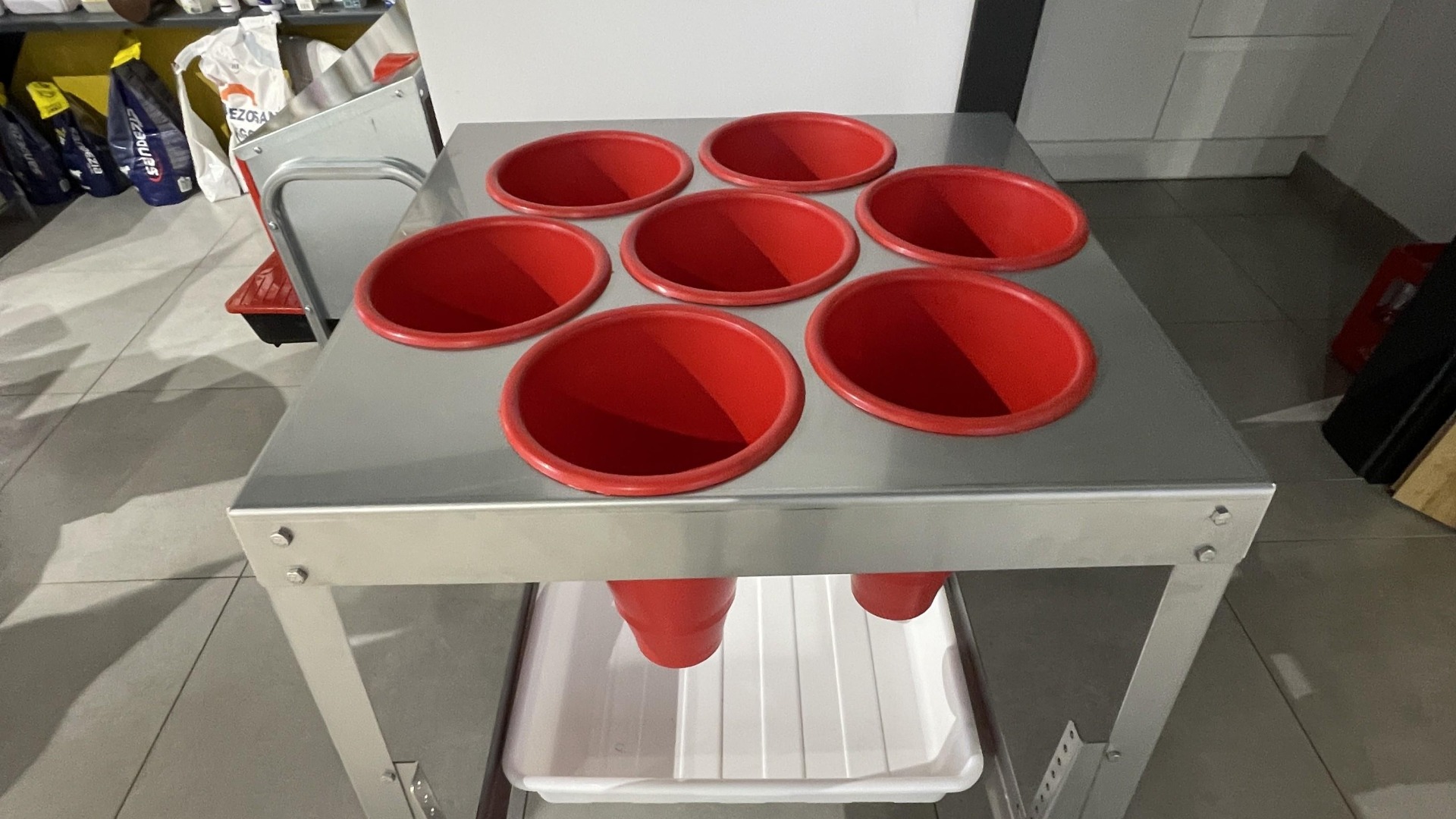
A poultry killing cone is a practical piece of equipment used to help restrain birds during processing. It can improve operator safety, hygiene and control while helping reduce unnecessary movement and stress. The cone also allows blood to drain into a designated container, helping maintain a cleaner working area.
Poultry Stunning Tongs – Why Are They Useful on Small Farms?
Poultry stunning tongs are designed to help carry out stunning in a controlled and consistent manner when used correctly and in accordance with applicable welfare requirements. Suitable equipment can improve both operator safety and the consistency of the process. Anyone using such equipment should follow the manufacturer’s instructions and relevant animal welfare regulations.
Poultry Plucker – How Does It Work?
A poultry plucker is a practical machine that significantly speeds up feather removal after slaughter. It can make plucking chickens, ducks or geese faster, cleaner and less labour-intensive.
With traditional hand plucking, removing feathers from one bird may take several minutes. A mechanical plucker can process birds much more quickly and with less physical effort.
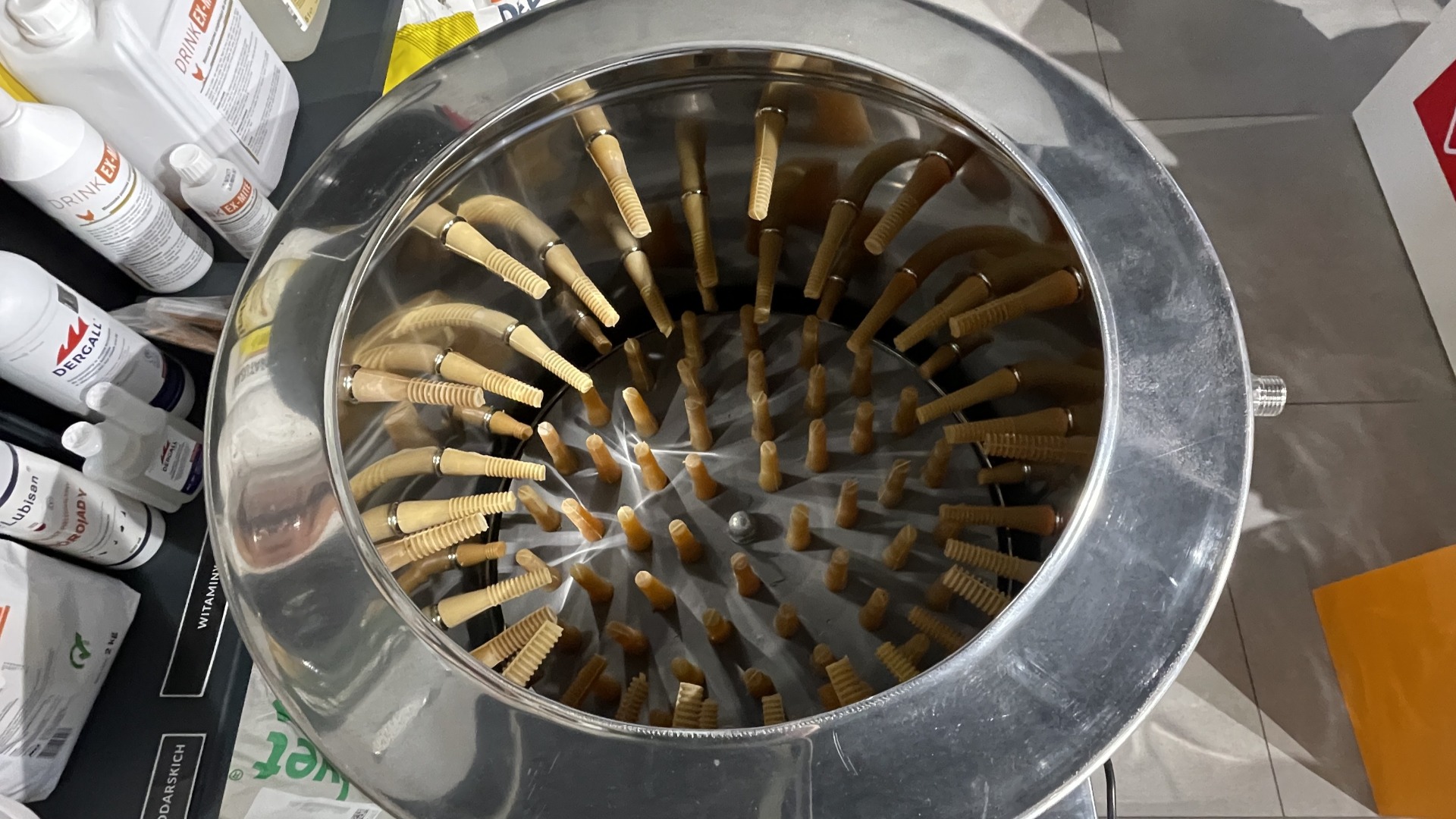
The machine usually operates using a rotating drum fitted with rubber plucking fingers. These fingers grip and remove feathers while helping minimise damage to the skin. Some models can be connected to running water, allowing feathers and debris to be rinsed away during operation.
The rubber plucking fingers are replaceable, which extends the service life of the machine. Over time they may wear down, particularly with intensive use, so periodic replacement helps maintain good plucking performance.
Thanks to its simplicity and efficiency, a poultry plucking machine is useful on farms where poultry is processed regularly. It saves time, reduces manual work and helps improve hygiene during processing.
FAQ – Frequently Asked Questions
What Are the Consequences of Breaking the Law During Poultry Slaughter?
Failure to comply with animal welfare and slaughter regulations may result in penalties, including fines or other legal consequences. Anyone carrying out poultry slaughter for personal use should be familiar with the current regulations and ensure that the process is legal and respectful of animal welfare.
Can Meat from Home Slaughter Be Sold?
Meat obtained from slaughter carried out strictly for personal consumption cannot automatically be sold as ordinary retail meat. Selling poultry meat is subject to separate veterinary, sanitary, registration and food-law requirements. Before selling any meat, the producer should check which legal route applies to their activity.
How Can Stress Be Reduced Before Slaughter?
To reduce stress in birds, keep them calm, handle them gently and avoid excessive noise or unnecessary handling. Birds should be moved carefully and kept away from frightening stimuli. Good handling before slaughter is an important part of animal welfare.
How Should Poultry Meat Be Stored After Slaughter?
After processing, poultry meat should be cooled as quickly as possible and stored under refrigeration. Keep it in clean, sealed packaging and follow normal food-safety rules for chilled or frozen poultry.
How Long Does Poultry Processing Take?
The total processing time depends on the species, operator experience and equipment used. Mechanical equipment such as a poultry plucker can considerably reduce the time required for feather removal compared with manual plucking.
Does Wet Plucking Make Feather Removal Easier?
Yes. Scalding the carcass before plucking can make feathers easier to remove. The exact temperature and duration should be selected according to the bird species, carcass condition and processing method.
How Can You Tell Whether Stunning Has Been Effective?
Effective stunning should result in immediate loss of consciousness and absence of normal responses to external stimuli. Anyone carrying out stunning should be trained to recognise signs of ineffective stunning and take immediate corrective action if necessary.