
Success in both professional and hobby racing pigeon breeding and ornamental pigeon keeping is not a matter of chance, but the result of careful preparation that begins long before the first egg is laid. Every experienced breeder knows that the pigeon breeding season is the most demanding period in the entire breeding calendar.
Insufficient preparation of breeding pairs often leads to frustrating problems such as soft eggshells, unfertilised “clear eggs” or poor survival of young pigeons during the first days after hatching. Poor condition in females and mineral deficiencies in males can quickly lead to avoidable losses. Proper management of breeding pairs is the foundation for future racing and exhibition results. If you want strong, healthy squabs that leave the nest in excellent condition, you need to take care of every detail – from supplementation to the microclimate inside the pigeon loft. Discover the 5 pillars of successful pigeon breeding.
Post Contents [hide]
- Method 1: Proper Feeding of Pigeons Before Breeding
- Method 2: Calcium and Grit for Pigeons – How to Strengthen Eggshells
- Method 3: Vitamins for Pigeon Fertility and Energy
- Method 4: A Safe Nest and Good Hygiene in the Pigeon Loft
- Method 5: Humidity Control and Bathing for Pigeons
- FAQ – Frequently Asked Questions
Method 1: Proper Feeding of Pigeons Before Breeding
Proper feeding of pigeons before breeding should begin at least several weeks before the planned pairing of birds. In professional pigeon breeding, there is little room for improvisation – what you put in the feeder today will directly influence the vitality of the young birds a month later.
During the preparation phase, the pigeons’ bodies must not only meet their current maintenance needs, but also build reserves of energy, vitamins and minerals that will later be transferred into the egg yolk. Standard pigeon feeds based mainly on lower-protein grains may not be sufficient during this period.
The female’s body works intensively while forming eggs and uses large amounts of nutrients. Deficiencies can weaken her condition and may be reflected in dull plumage, reduced vitality and poorer breeding performance. The male also needs to be in excellent physical condition to support good fertility.
A proper diet for breeding pigeons should support the reproductive system while preventing excessive fat accumulation, which can negatively affect fertility and overall breeding condition.
Breeding Mix for Pigeons
The choice of the right pigeon breeding mixture should be based on its composition. A professional pigeon feed for the breeding season should contain a suitable proportion of small legumes such as field peas, vetch, lentils and small peas. These ingredients provide valuable plant protein.
Oilseeds are equally important, including safflower, hemp, hulled sunflower seeds and flaxseed. They supply essential fatty acids, including Omega-3 and Omega-6, which support the development of the nervous system and healthy plumage in young birds.
When choosing a ready-made feed, pay attention to cleanliness. Dust and contamination may irritate the respiratory system, which is especially undesirable during the breeding season. High-quality pigeon breeding feeds may also contain extruded components enriched with vitamins and minerals.
A varied mixture encourages birds to eat well, which becomes particularly important once the parents are feeding young pigeons. A well-balanced feed should be readily consumed by the breeding pair without excessive selective feeding.
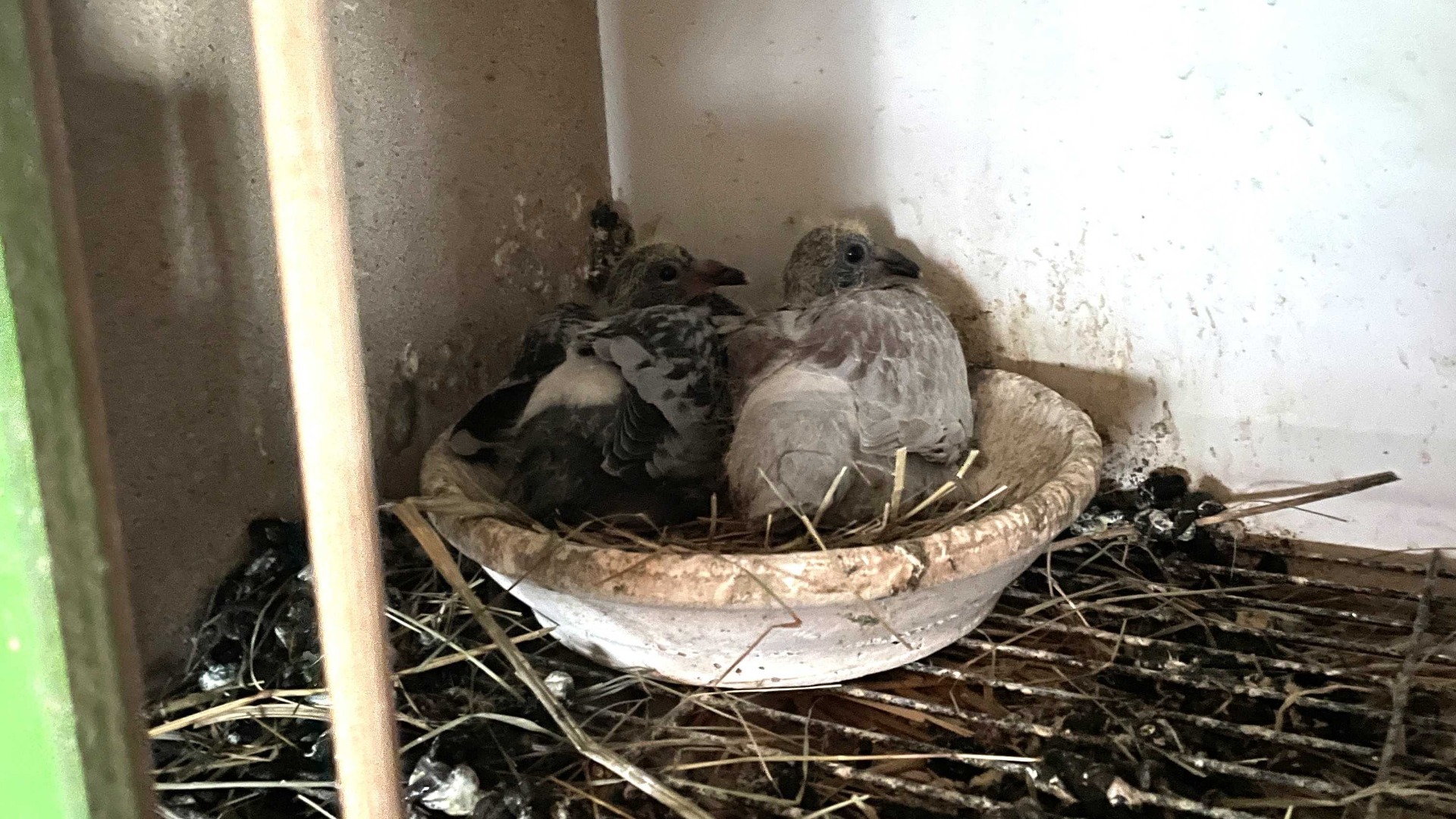
Method 2: Calcium and Grit for Pigeons – How to Strengthen Eggshells
Calcium for pigeons is one of the essential nutrients required for healthy breeding. During the laying period, the female’s calcium requirements increase significantly compared with the resting period.
If suitable mineral supplements are not available in the pigeon loft, the bird may begin drawing calcium from its own skeletal reserves. This can weaken the female and negatively affect both egg quality and general condition.
For this reason, grit for pigeons should be available regularly. It should also be kept fresh, as pigeons are often more willing to consume mineral mixtures that have not become stale or contaminated inside the loft.
A good mineral mix may contain several components, such as red stone, oyster shells, baked clay and fine gravel. The gravel also helps mechanically grind hard grains in the gizzard and supports effective digestion.
Why Does the Female Need Minerals? How the Eggshell Is Formed
Eggshell formation takes many hours and requires a considerable supply of calcium. During this process, the female draws calcium from the bloodstream and, if dietary calcium is insufficient, may use reserves stored in the bones.
A constant supply of minerals for pigeons in the form of grit, oyster shells, baked clay and limestone helps support strong shell formation. Proper mineralisation is also important for the developing embryo, which uses calcium during skeletal development.
Pigeon grit supplied in mineral blocks or loose mixtures can be a convenient way of providing these nutrients inside the loft.
Method 3: Vitamins for Pigeon Fertility and Energy
Modern pigeon breeding often requires nutritional support beyond the basic grain mixture. Vitamins for breeding pigeons can help support fertility, vitality and the overall condition of the flock.
Fat-soluble vitamins A, D3, E and K are especially important, together with essential trace elements. Vitamin A supports healthy mucous membranes and normal reproductive function, while vitamin K plays an important role in normal blood clotting.
Supplementation is often started before pairing so that the birds enter the breeding season in good nutritional condition. Stress related to pairing, laying and raising young birds can increase nutritional demands.
Balanced multivitamin preparations added to drinking water are a convenient way of supporting breeding birds. The nutrient content of the egg is closely linked to the nutritional condition and diet of the female before laying.
Vitamin E and Selenium – A Powerful Combination for Fertility
Vitamin E and selenium for pigeons are commonly used during preparation for the breeding season. Their combined action supports reproductive function in both males and females.
Vitamin E acts as an antioxidant and helps protect cells from oxidative damage. This is especially important for breeding males, including older birds used for their valuable genetic traits.
Selenium works together with vitamin E and supports normal reproductive function. Adequate intake may help maintain sperm quality and fertility.
In females, these nutrients also support general reproductive condition and egg formation. Many breeders use vitamin E and selenium preparations before pairing and during the early breeding period according to the product manufacturer’s recommendations.
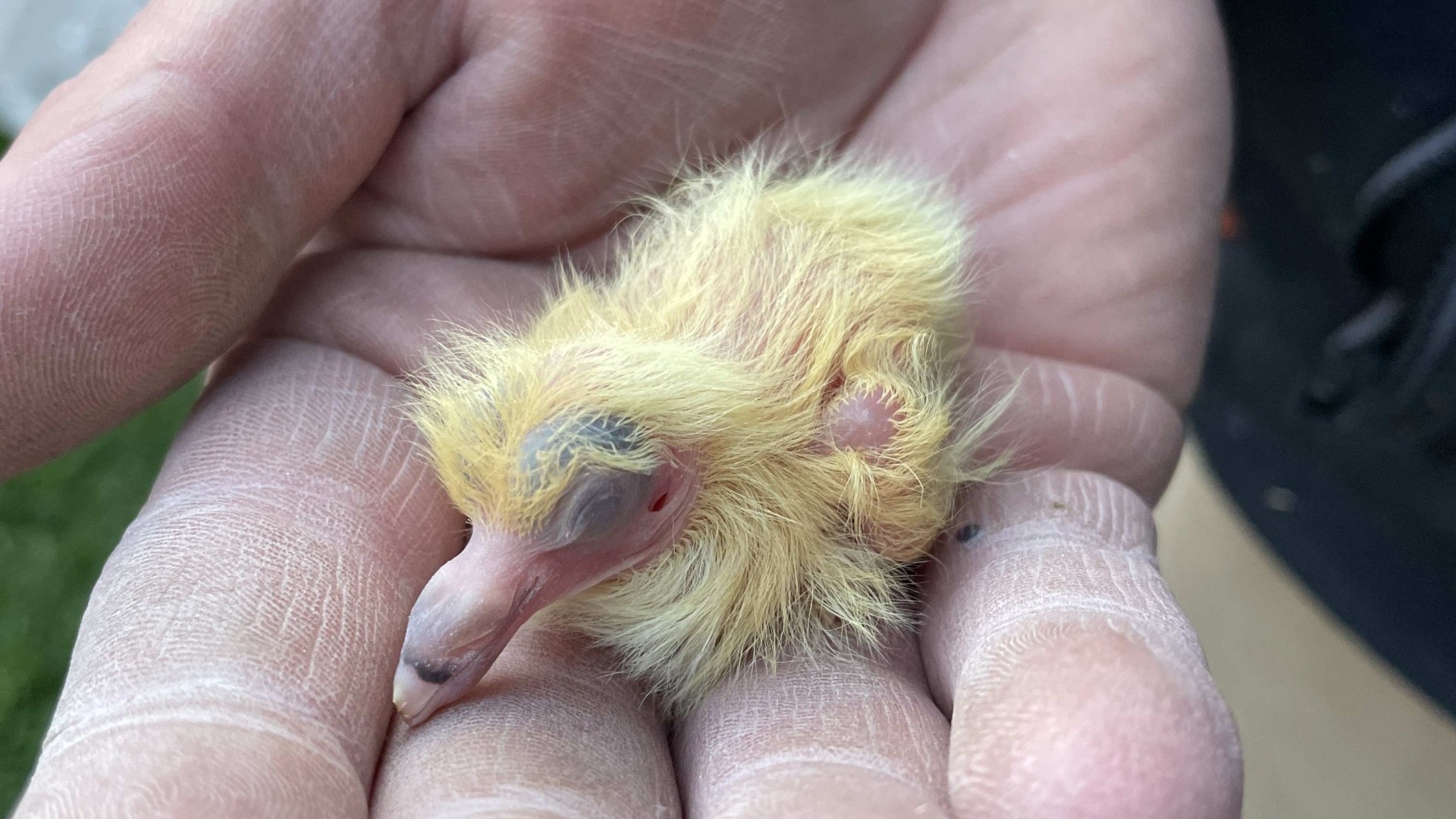
The Role of Vitamin D3 in Calcium Absorption
Calcium alone is not enough if the bird does not receive sufficient vitamin D3. Vitamin D3 plays an important role in calcium and phosphorus metabolism and supports the absorption and utilisation of these minerals.
Vitamin D3 deficiency in pigeons may contribute to poor calcium metabolism, weak eggshell formation and skeletal problems. Young birds also require sufficient vitamin D3 during periods of rapid growth to support normal bone development.
In pigeon lofts with limited access to natural sunlight, dietary vitamin D3 may become particularly important. Together with calcium and phosphorus, it supports proper mineralisation of the eggshell and skeleton.
Method 4: A Safe Nest and Good Hygiene in the Pigeon Loft
Providing a safe and hygienic place for raising young pigeons is one of the most important responsibilities of every breeder. A safe pigeon nest is not only about comfort – it also provides protection against cold, contamination and mechanical injuries.
An important element is the correct nesting bowl. Ceramic, plaster and plastic bowls all have their advantages, but the most important features are stability and ease of cleaning.
Suitable nesting material also provides thermal insulation, which can be particularly important during cold nights in early spring. Coconut nest mats for pigeons are popular because they are hygienic and provide stable footing for young birds.
Clean barley straw, hay or pine needles can also be used, although natural materials require more frequent checks for moisture and contamination.
A dirty and damp nest creates favourable conditions for bacteria and fungi, so keeping the breeding compartment clean is an essential part of successful pigeon breeding.
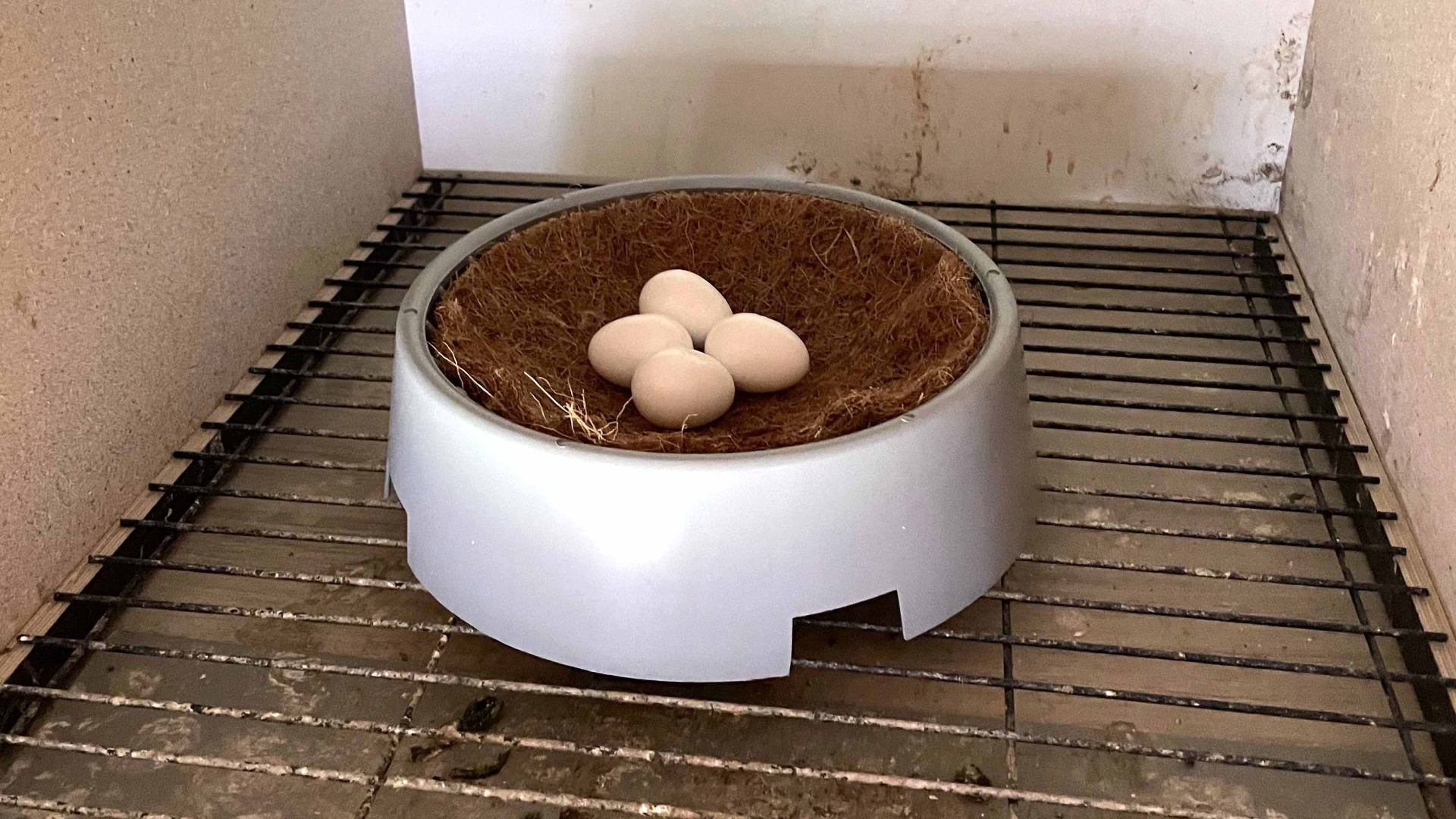
Disinfecting the Pigeon Loft Before the Breeding Season
Disinfecting the pigeon loft before breeding pairs are introduced into their breeding compartments is an important part of preparation. Cleaning should include floors, grates, nesting bowls, breeding boxes, drinkers and feeders.
Professional disinfectants such as Virkon may be used according to the product label to reduce contamination by harmful microorganisms. Good hygiene is particularly important because young pigeon chicks have limited natural resistance during the first days of life.
External parasites should also be monitored and controlled. Parasites such as poultry red mites can disturb incubating birds and weaken young pigeons.
Dry hygiene products such as Sandezia may also help manage moisture inside the loft when used according to the manufacturer’s instructions. Maintaining a clean, dry environment supports the health of the breeding flock.
Method 5: Humidity Control and Bathing for Pigeons
The final factor, often underestimated, is the microclimate inside the pigeon loft, particularly air humidity. Humidity is especially important during the final stage of incubation, shortly before hatching.
Very dry air may increase water loss from the egg and cause the internal membranes to dry out. This can make hatching more difficult for the chick.
Maintaining appropriate humidity helps prevent excessive drying of the egg membranes and supports the normal hatching process. The article recommends a relative humidity level of approximately 60–70% during this period.
Good humidity management in the pigeon loft is therefore an important element of supporting successful hatching.
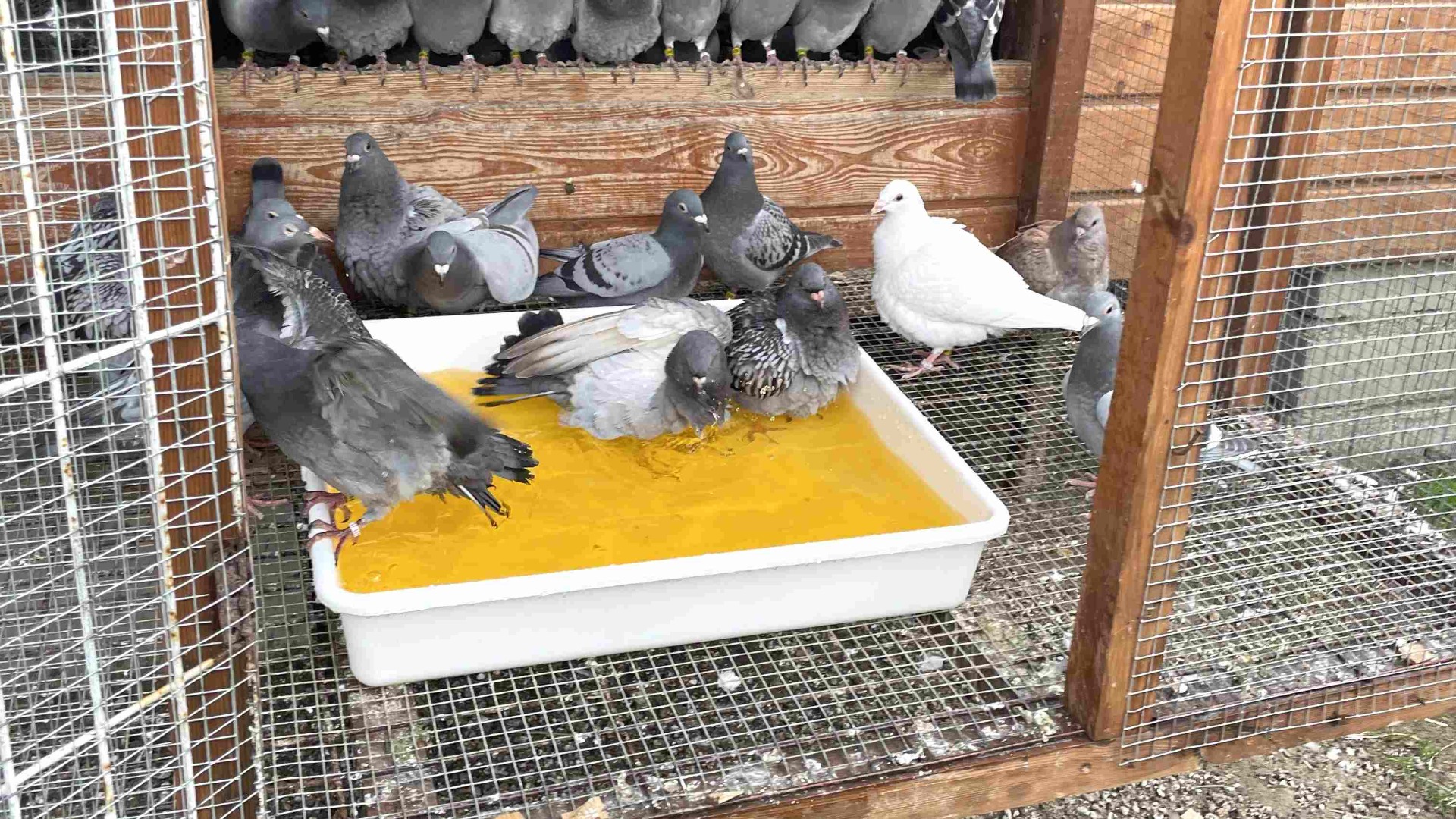
Bath Salts for Pigeons – Supporting Natural Egg Moisture
One natural way to increase moisture around the eggs is to provide regular baths for pigeons. When the female or male bathes, damp feathers may slightly increase moisture in the nest when the bird returns to incubate the eggs.
Special bath salts for pigeons are often added to bathing water as part of normal loft care. Depending on the product, they may support feather condition and general hygiene.
Providing a pigeon bath several times per week, especially during the later stage of incubation, is a common management practice. Bathing also provides behavioural enrichment and can help reduce stress in breeding birds.
FAQ – Frequently Asked Questions
How Should Pigeons Be Prepared for Breeding?
Start with a high-quality pigeon breeding feed and suitable supplementation. Products containing vitamin E with selenium, as well as vitamins A, D3, E and K, are commonly used before pairing.
Why Do Pigeons Lay Eggs with Soft Shells?
A common cause is insufficient calcium and vitamin D3 intake or problems with normal calcium metabolism and shell formation.
Which Grains Are Most Important in a Breeding Mix?
Legumes such as field peas and vetch provide valuable protein, while oilseeds contribute energy and essential fatty acids. A complete breeding mixture should contain a balanced variety of grains and seeds.
How Can You Help a Chick That Is Having Difficulty Hatching?
First check whether the humidity in the loft is too low. Avoid manually opening the shell unless specifically advised by an experienced avian veterinarian or breeder, as premature intervention can damage blood vessels and injure the chick.
When Should Vitamins Be Given Before Pairing?
The source article suggests beginning supplementation with vitamins and amino acids approximately 14 days before planned pairing.
Can Pigeons Bathe While They Are Incubating Eggs?
Yes. Regular bathing can be provided during incubation, and damp feathers may naturally increase moisture in the nest.
What Is the Best Nesting Material for Young Pigeons?
Coconut nest mats are a popular option because they are hygienic, insulating and provide stable footing for young birds.
Why Do Embryos Die in the Egg Shortly Before Hatching?
There can be many causes, including incubation conditions, parent health, infection and nutritional problems. The source article highlights excessively low humidity as one possible cause.
How Many Broods per Year Should Pigeons Have?
The source article recommends approximately 2–3 broods per year in professional breeding to avoid excessive strain on breeding birds.