
Hatching is one of the most important events in the life of every chick. It is also extremely important for the breeder, as it marks the culmination of the period spent caring for incubated eggs. The newly hatched chicks will determine the size and strength of the flock, so proper care during this stage is essential. Breaking out of the eggshell requires enormous effort from every young chick. If the hatching process takes longer than 24 hours, it may indicate that something is wrong. Such individuals may not be suitable for breeding in future generations. It is important to remember that you should not help chicks hatch by manually removing the shell.
Post Contents [hide]
Care After Hatching
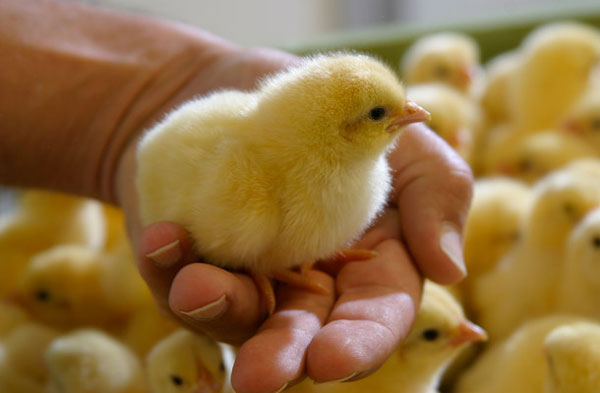
After hatching, chicks should be left in the incubator for several hours so that they can dry completely. It is also important to wait until the young chicks are able to walk independently before removing them from the incubator.
The chicks can then be assessed according to the following criteria:
- a) size – the chick should be properly developed,
- b) appearance – the chick should be dry and properly feathered,
- c) movement – observe how the chick walks and whether it can keep up, limps or falls over, as these may indicate developmental or incubation problems,
- d) physical condition – check the entire body for bleeding, deformities or congenital abnormalities such as missing eyes, a deformed beak or abnormal toes and legs.
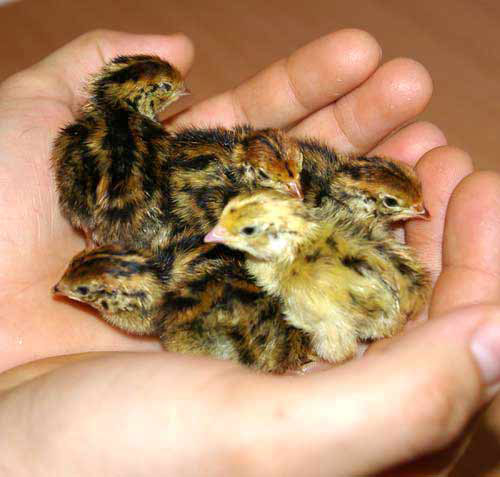
The First Days of a Chick's Life
During the first days of their lives, chicks should be kept in a . This can be a commercially available brooder or a suitably prepared and insulated enclosure. During the first two days, the recommended brooding temperature for young chicks is approximately 32oC. Over the following seven days, it can be reduced to around 30oC and then gradually lowered as the chicks grow, until they are accustomed to a temperature of approximately 18–20oC. Gradually reducing the temperature helps prepare the chicks for normal environmental conditions.
When building your own brooder, it is important to provide a suitable source of heat. A heat lamp can be suspended above the chicks, with its height adjusted to regulate the temperature inside the brooder. Every brooder should also contain at least two containers – one for feed and one for fresh water.
During the first weeks of rearing, the health and development of the chicks should be carefully monitored. If any health problems, developmental abnormalities or unusual behaviour are observed, veterinary advice should be sought. Any medicines, supplements or other preparations should be administered according to their instructions and, where appropriate, veterinary recommendations.
Feeding Chicks
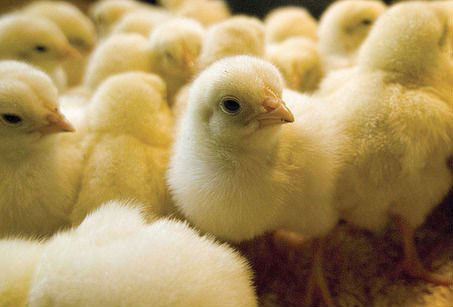
Newly hatched chicks initially use the nutrients absorbed from the yolk sac. However, fresh, clean drinking water should be made available after the chicks are transferred to the brooder, together with an appropriate starter feed. Water should be easily accessible and kept clean at all times.
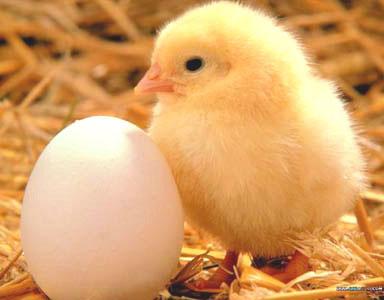
The best solution for young chicks is a complete starter feed formulated specifically for their age. Such feed provides the appropriate balance of protein, energy, vitamins and minerals required for healthy growth and development.
During the first weeks of life, chicks should have easy access to:
- complete starter feed formulated for chicks,
- fresh and clean drinking water,
- appropriate mineral and vitamin supplementation where required,
- clean feeders and drinkers suited to the size and age of the birds.
As the chicks grow, their diet should gradually be adjusted to their age and stage of development. After the starter period, they can be switched to an appropriate grower feed. Any changes in feed should be introduced gradually to avoid unnecessary digestive problems and stress.
The feeding system should allow all chicks easy access to food. Feeders should be regularly cleaned and positioned so that the birds cannot easily contaminate the feed with litter or droppings.
The care provided during the first stages of a chick's life has a major impact on its subsequent development and condition. Proper temperature, clean water, appropriate nutrition and good hygiene provide the foundation for raising healthy and strong birds.
