
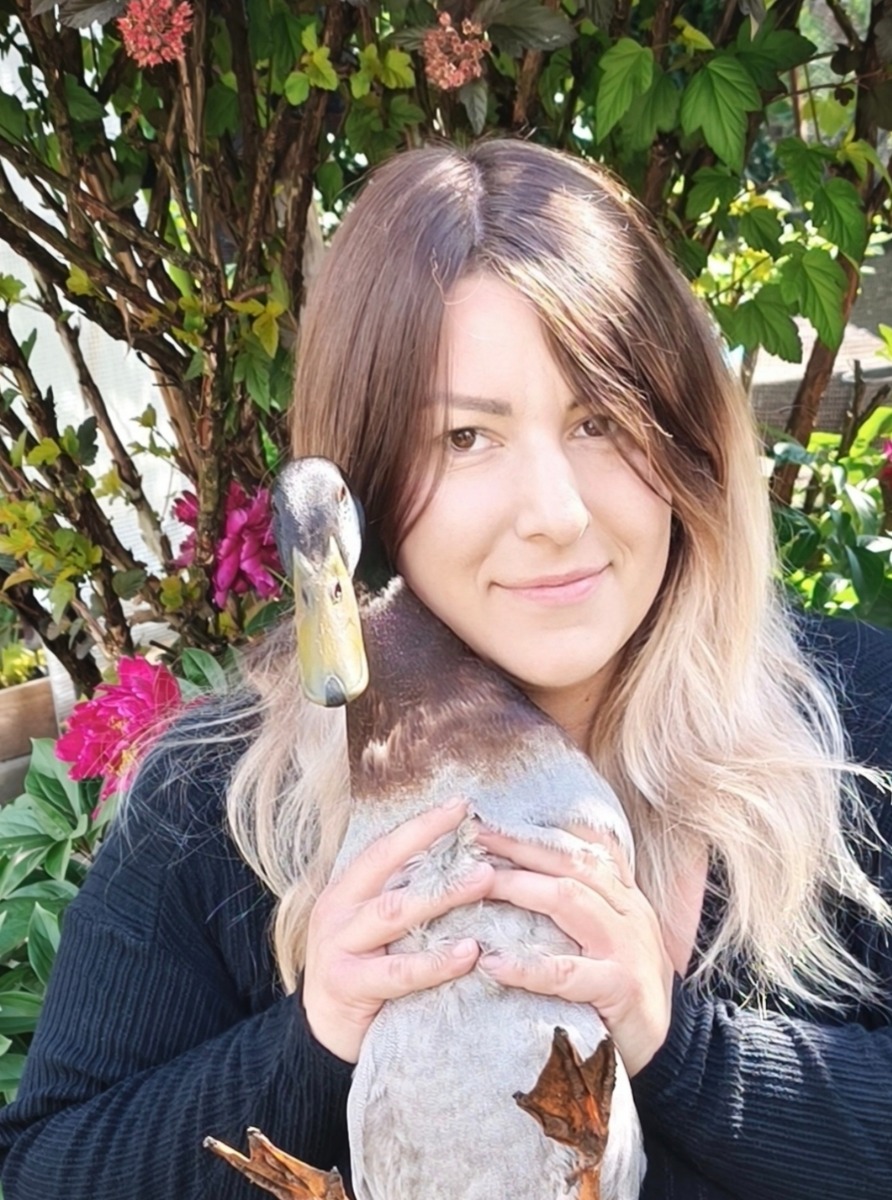
Keeping Indian Runner ducks can be a real adventure. Natalia Pospieszna knows this very well – she runs the popular social media profile KWAKTOK , where she shares everyday life with her Indian Runner ducks.
Natalia’s channel has become very popular thanks to the many interesting and funny moments featuring Indian Runner ducks. KWAKTOK also provides practical and useful advice on duck care, feeding and keeping conditions. We had the opportunity to ask Natalia several questions that we believe are particularly important for anyone interested in raising Indian Runner ducks.
Interview with an Indian Runner Duck Breeder
What inspired you to start keeping Indian Runner ducks? How many ducks do you currently have?
The fact that I keep Indian Runner ducks was actually a matter of chance. While driving, I noticed two tiny ducklings standing by the roadside next to their mother and siblings, which had been hit by a car. Unfortunately, only those two survived. Without thinking too much about it, I took them home.
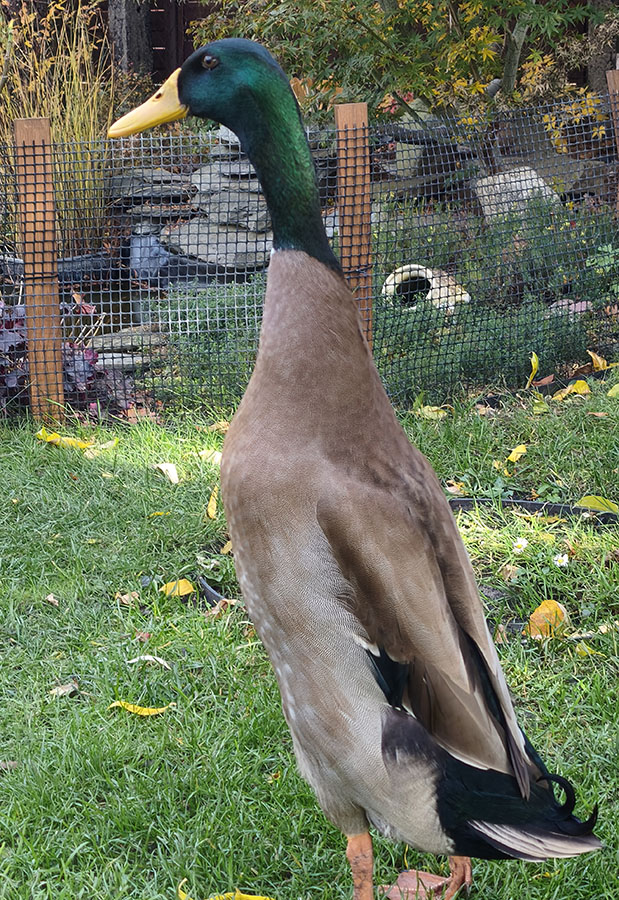
I was convinced they were Mallard ducklings. My plan was simply to help them survive their first few days and then decide what to do next. They quickly started treating me like their “mum” and became very attached to me. I began noticing their distinctive upright posture, and that was when I discovered that the two little birds were actually domestic Indian Runner ducks.
I decided they would stay with me and began looking for more information about caring for my new companions. That was two years ago, and today my flock consists of 8 ducks.
What are the biggest challenges of keeping Indian Runner ducks? What do they need and what should new keepers remember?
Indian Runner ducks are relatively easy to keep, but there are several important things to consider before deciding to raise them.
Indian Runners are highly social birds, so the absolute minimum is two ducks. Even the best care from a human owner cannot replace the company of another duck.
They are extremely active birds and need plenty of space to explore during the day. At night, they should have access to a secure duck house protected against predators. Indian Runner ducks tolerate low temperatures very well. In winter, they are comfortable at temperatures above 0°C, but it is essential to provide a dry shelter with a thick layer of bedding. Moisture is a much greater threat to them than frost.
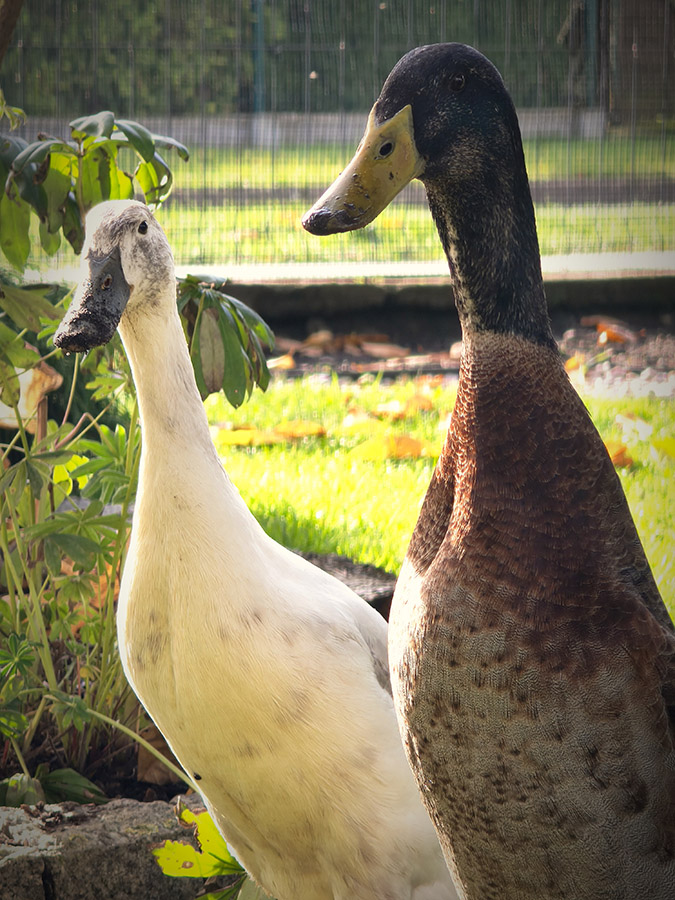
Indian Runners do not have particularly complicated feeding requirements. The basis of their diet should be complete feed for waterfowl or a grain mixture supplemented with essential minerals and vitamins. Fresh greens and insects are excellent additions to their diet.
Indian Runner ducks are especially well known for eating slugs and snails, which are undoubtedly among their favourite treats.
They should have constant access to fresh water in different parts of the area where they spend their time. Water is especially important when they are hunting for slugs, snails or insects, as it helps them swallow food and maintain proper hygiene of the bill and nostrils. A lack of water can lead to feeding difficulties and even choking.
Like all ducks, Indian Runners love water. Regular bathing is important for maintaining good condition and healthy plumage.
I would particularly like to draw the attention of beginner keepers to preparing bathing areas correctly. Small, not yet fully feathered ducklings can drown, so they must have a safe, gentle way to enter and leave the pool.
Indian Runner ducks are generally resistant to disease, but it is still important to observe their behaviour so that potential health problems can be detected early. Preventive measures such as supplementation – especially for young birds and laying ducks – as well as keeping bedding and drinking water clean have a major impact on the condition of the flock.
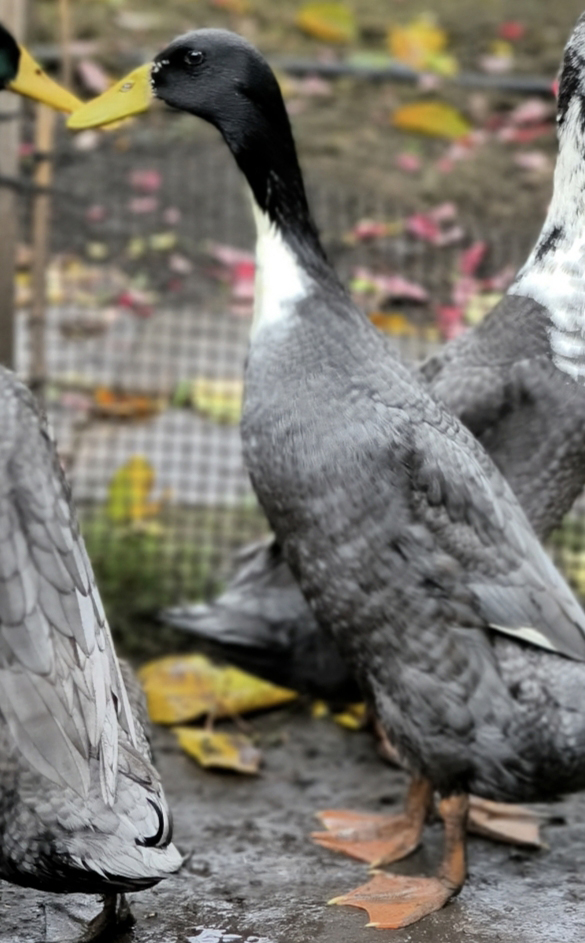
One of the biggest concerns for Indian Runner duck keepers is protecting them from predators. Foxes, martens, rats and birds of prey can cause serious losses. Properly securing both the outdoor run and the duck house is therefore one of the most important aspects of Indian Runner duck care.
How much do Indian Runner ducks cost? What are the prices of ducklings and hatching eggs?
Indian Runner duck prices vary depending on age, colour variety and special characteristics such as crested birds. Ducklings can be purchased for as little as several dozen PLN, while older birds may cost from several dozen to even several hundred PLN.
Before buying, it is worth visiting the breeder and checking the conditions in which the birds are kept.
The price of Indian Runner duck hatching eggs usually ranges from around PLN 3 to more than PLN 10 for unusual colour varieties. When purchasing hatching eggs, it is worth checking the breeder’s reputation and asking about fertility rates, parent birds and photographs of previously hatched ducklings.
Do you artificially incubate Indian Runner duck eggs? Is duck egg incubation more demanding than, for example, chicken egg incubation?
I have had the opportunity to observe both natural hatching and artificial incubation of Indian Runner duck eggs. Duck egg incubation is definitely more demanding than chicken egg incubation. This is mainly because of the longer incubation period and the greater need to control humidity.
Imitating natural conditions is more complicated with ducks because we need to reproduce a situation in which the mother leaves the nest and later returns after bathing.
Indian Runner ducks are known for being extremely active, funny and highly social. Is there a short story or anecdote that immediately comes to mind?
It is difficult to choose the funniest story, but there is one that perfectly shows the character of Indian Runner ducks. They are very observant and immediately let you know when something worries them.
One winter day I went outside with their food, which is normally their absolute priority. This time, however, they ran towards me making a huge fuss and, instead of immediately going for the food, they stopped in front of me as if they wanted me to follow them.
I started walking behind them, and they kept turning their heads to make sure I was still coming. Every duck wanted to be first, but none of them wanted to move too far away from the flock.
The reason for all the commotion turned out to be the neighbour’s cat sitting in a tree. It looked as though the entire flock had collectively decided that this was a serious matter that needed to be reported.
That situation showed me that my Indian Runners see me as their keeper – someone they can come to when they need help solving a problem. They are incredibly sociable animals, and if you give them time and attention, they can become wonderful companions in the garden.
Learn More About Indian Runner Ducks
If you are looking for more information about keeping and raising Indian Runner ducks, be sure to read our article: Indian Runner Ducks – Ornamental Ducks That Help Control Slugs and Snails. In this guide, you will learn more about recommended housing and outdoor runs, feeding, duck house equipment and the costs of keeping Indian Runner ducks.