
A chicken coop is a home designed for chickens and other poultry kept in backyard flocks. Nowadays, houses for people are insulated to protect them against low temperatures. In the same way, an all-season chicken coop should be insulated and protected against the cold weather that occurs during winter. All types of poultry need warmth in winter, even though birds have feathers that help protect them from low temperatures and the possible consequences of frost, including illness.
Chickens and other poultry naturally do not tolerate cold and draughts well. An insulated chicken coop is also beneficial in summer, because the interior does not heat up as quickly during periods of high temperatures. Insulating a backyard chicken coop is a task that almost anyone can carry out – you do not need to be a qualified builder. Basic tools, suitable insulation material and some time are usually enough. The type of insulation should be selected according to your budget and the material from which the coop is built. Before starting the insulation work, carefully inspect the entire building, make sure the roof does not leak, seal any gaps and repair any other damage.
Post Contents [hide]
Chicken Coop Temperature – How Does It Affect Egg Production?
The optimal temperature for laying hens is around 20°C. Unfortunately, during winter it can be difficult to maintain such a temperature naturally inside the coop. Proper conditions in chicken keeping help prevent a decline in egg production and support the birds’ health and condition throughout the year.
At low temperatures, birds must use more of their energy to maintain body heat, leaving less energy available for egg production. Their overall resistance may also decline because the body prioritises maintaining a stable internal temperature.
This is why maintaining a suitable temperature in the chicken coop is so important. During winter, the temperature inside the coop should ideally remain at least around 6–10°C, while a more comfortable range is approximately 14–15°C. Proper chicken coop insulation can help maintain better indoor temperatures during freezing weather and reduce the need for additional heating.
What affects the temperature inside a chicken coop?
- Proper insulation of the coop,
- Good sealing of the entire building,
- Proper floor insulation,
- An adequate layer of bedding – approximately 20 cm,
- Placing straw bales around the coop.
What Is the Best Material for Insulating a Chicken Coop?
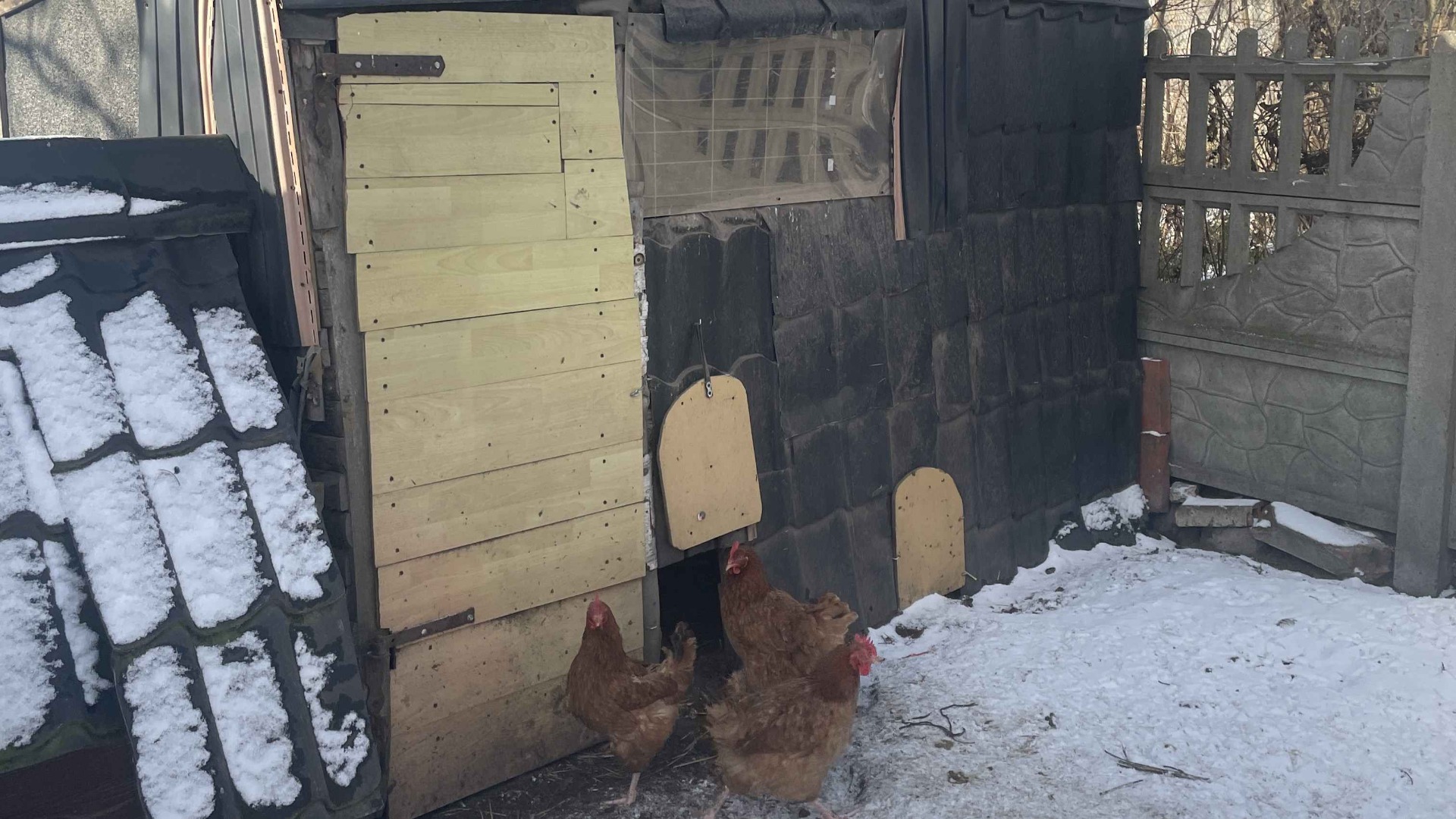
There are many insulation materials available on the market that can be used in a chicken coop. The best choice depends mainly on your budget and on the material from which the coop is built – masonry, wood, sheet metal, a converted container or even a caravan.
- Polystyrene insulation – an inexpensive and easy-to-install material supplied in ready-made boards. Expanded polystyrene is also relatively easy to cut and work with. It is particularly suitable for insulating masonry chicken coops from the outside. Reinforcing mesh can be glued onto the boards, covered with adhesive and then plastered. Such a system can remain durable for many years. Polystyrene can also be used on wooden buildings. A thickness of at least approximately 5 cm is recommended.
- Mineral wool – another effective insulation material for chicken coops. Its disadvantage is a higher purchase cost. However, mineral wool provides very good thermal insulation, is fire resistant and allows water vapour to pass through.
- PUR spray foam – one of the most effective but also most expensive forms of insulation. The foam is sprayed onto the surface, allowing it to reach small gaps and completely fill irregularities. It helps keep cold air outside and warm air inside. It is also resistant to mould, fungi and rodents.
- Straw – a natural insulation material that can be used inside the coop. Straw also has good thermal properties, but it must be completely dry. Wet straw should never be used. It can be installed between two internal wall layers, creating an insulated cavity. The insulation should then be covered with wooden boards or panels to protect it from being pecked by the birds.
- Vapour barrier membrane – helps reduce condensation and retain heat inside the chicken coop. It can help protect wooden elements from moisture. The membrane is usually installed on walls and ceilings.
Chicken Coop Floor Insulation
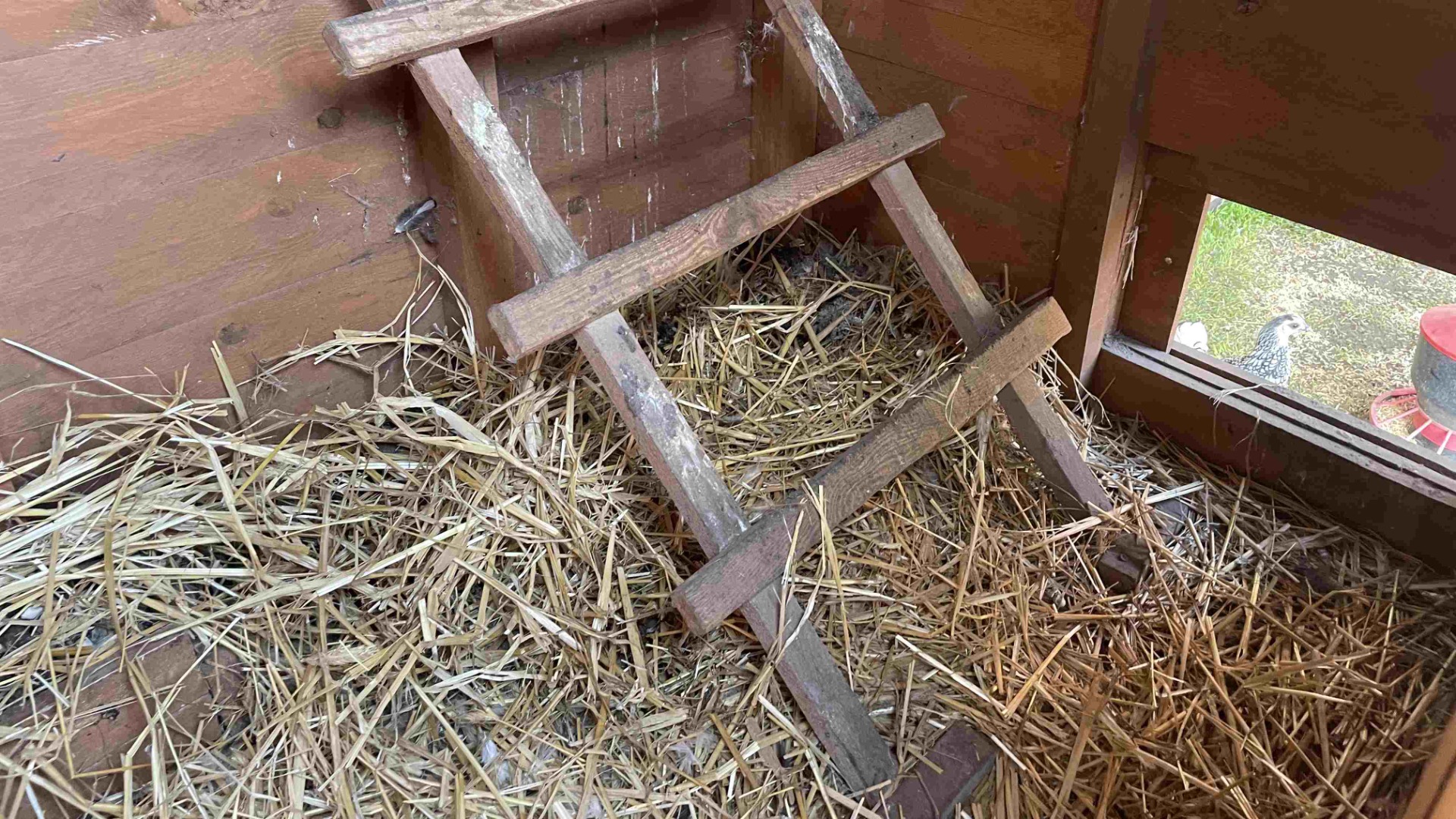
During winter, the floor of the chicken coop should also be protected against cold. A chicken coop floor is often made of concrete or simply bare ground. One of the cheapest and simplest insulation methods is to use a thick layer of straw. This provides the birds with warmer and more comfortable conditions.
For more permanent protection, the floor can also be insulated from below with polystyrene boards and then covered with a thick layer of bedding, such as straw or suitable poultry wood shavings.
Remember that straw must always be fresh and dry. Damp or mouldy bedding can become a source of microorganisms and may contribute to disease, reduced immunity and lower egg production.
Chicken bedding becomes dirty relatively quickly, so it should be replaced regularly. Harmful microorganisms can develop in thick layers of old, wet and compacted bedding. Chickens naturally scratch through the litter, which can help aerate it. To encourage this behaviour, a small amount of grain can be scattered over the bedding.
Ventilation in a Small Chicken Coop – Is It Necessary in Winter?
An insulated chicken coop that is well sealed is not enough on its own. Even during winter, fresh air must be continuously exchanged inside the building. A tightly insulated coop without proper ventilation can significantly reduce the quality of the birds’ living conditions.
Poor air exchange allows harmful gases and moisture to accumulate, including ammonia, hydrogen sulphide, carbon dioxide and water vapour. Constant exposure to high concentrations of these gases is harmful to poultry and can contribute to respiratory diseases and other health problems.
Proper ventilation is therefore another essential element of good winter housing conditions. A chicken coop in winter should be ventilated regularly to prevent condensation and to provide birds with constant access to fresh air.
Ventilation in a backyard chicken coop can be as simple as a properly positioned ventilation opening fitted with a duct and grille. Even this basic solution can provide continuous air exchange and help remove harmful gases from inside the building.
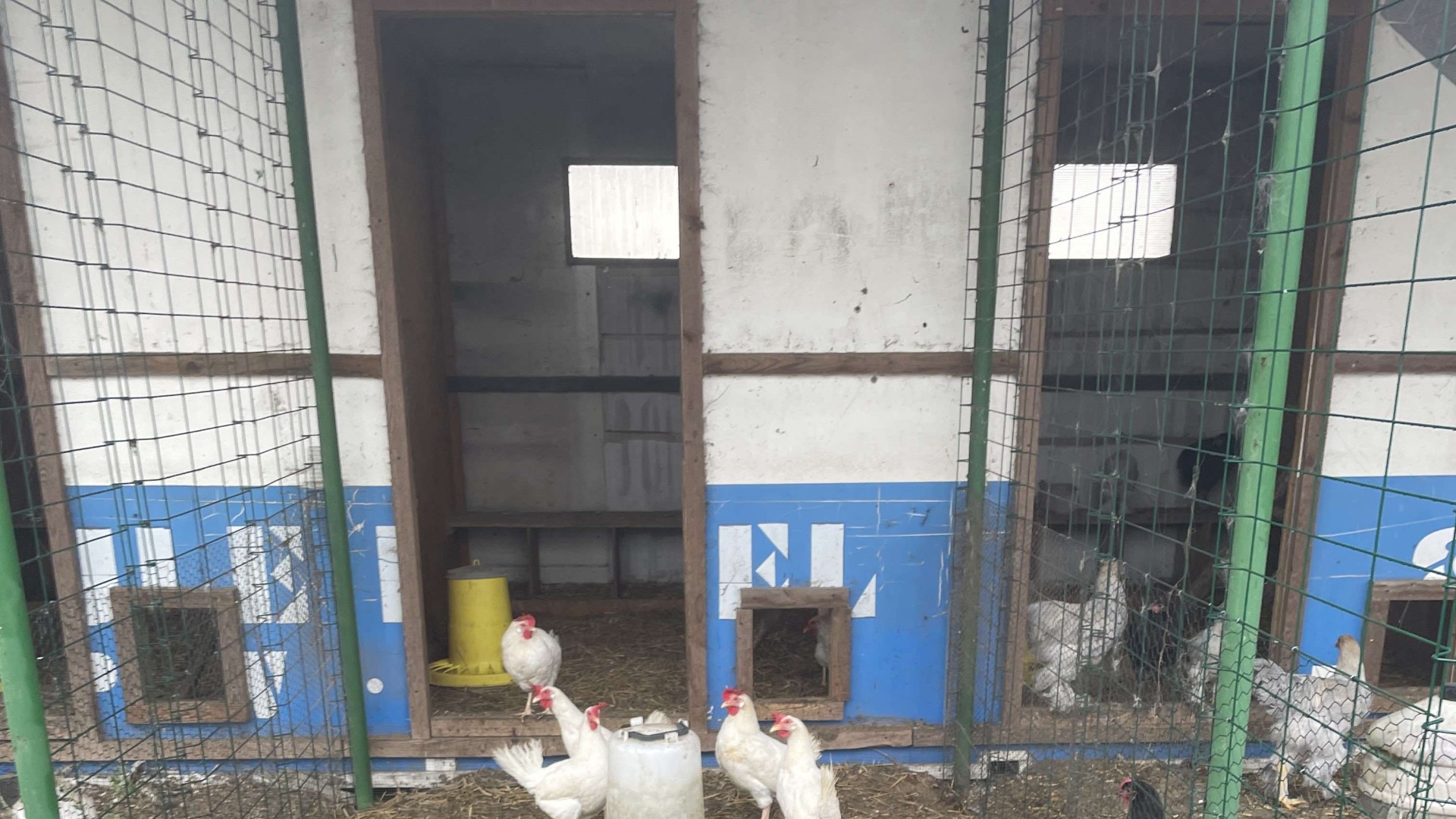
To sum up, winter can be a demanding period for poultry and may lead to poorer health and reduced egg production if birds are not properly protected. Preparing a chicken coop for winter is therefore extremely important for maintaining good health and productivity. Every poultry keeper should provide the best possible conditions according to their circumstances. Maintaining a suitable temperature inside the chicken coop helps support stable egg production throughout the year.
FAQ – Frequently Asked Questions
How Can You Maintain the Optimal Temperature in a Chicken Coop During Winter?
Insulating the walls, roof and floor, providing a sufficient layer of bedding and placing straw bales around the outside of the coop can help maintain a temperature of around 14–15°C inside.
What Is the Best Insulation Material for a Chicken Coop?
Polystyrene boards, mineral wool and PUR spray foam can all provide effective thermal insulation. The best choice depends on your budget and the type of chicken coop.
Is Straw a Good Insulator for a Chicken Coop?
Yes, provided that it is dry, fresh and properly installed. Straw can be used between wall layers or as a thick insulating layer on the floor.
How Can You Insulate a Chicken Coop Floor in Winter?
The simplest method is to use a thick layer of dry straw or wood shavings. For better insulation, polystyrene boards can also be installed beneath the floor or bedding layer.
Does a Chicken Coop Need Ventilation in Winter?
Yes. Proper ventilation removes excess moisture and harmful gases, such as ammonia, and helps reduce the risk of respiratory diseases.
How Can You Protect Chickens from Moisture and Mould in the Coop?
Replace bedding regularly, use a suitable vapour barrier where appropriate and check the roof and walls for leaks.
How Much Bedding Does a Chicken Coop Need in Winter?
A layer of approximately 20 cm of dry, fresh bedding can provide additional insulation and improve comfort for chickens during winter.
How Can You Protect a Chicken Coop from Draughts in Winter?
Seal gaps around doors and walls, add suitable insulation and make sure the chicken entrance closes properly while still maintaining adequate ventilation.
How Can You Improve Egg Production in Chickens During Winter?
Provide good insulation, suitable nutrition, appropriate vitamin and mineral supplementation, fresh water and dry, warm bedding. Maintaining comfortable housing conditions can help support winter egg production.
How Can You Heat a Chicken Coop Without High Costs?
Good building insulation, thick bedding, straw placed around the outside of the coop and making use of the natural heat produced by the flock are among the least expensive methods.
How Many Chickens Can Be Kept in a Coop During Winter?
According to the source article, approximately 4–5 m² of floor area per 10 chickens is recommended in winter to avoid overcrowding and maintain suitable comfort.
How Often Should Chicken Bedding Be Replaced in Winter?
At least once a week, or more frequently if the bedding becomes wet, dirty or compacted. Keeping it dry is important for both warmth and hygiene.
How Can You Stop Chicken Drinking Water from Freezing in Winter?
Use a heated poultry drinker base or replace the water several times a day. Position the drinker in a sheltered location protected from wind and frost where possible.
How Can You Protect Poultry from Mud, Snow and Ice?
Cover frequently used paths and parts of the run with straw, wood shavings or gravel. Non-slip wooden or plastic mats and covered areas can also help protect birds from wet and icy ground.
Updated: 18 November 2025