
Cleaning a chicken coop is one of the basic responsibilities of every poultry keeper and an important part of preparing the building for a new season. Spring is a traditional time for cleaning after winter, not only in the home but also in livestock buildings. However, a thorough chicken coop cleaning, combined with disinfection and whitewashing, should also be carried out after the summer season. Why is it so important to clean a backyard chicken coop?
Birds are exposed to many diseases that may be transmitted by parasites and insects living in the coop. Proper preparation and disinfection of the chicken coop is especially important before introducing new birds to the flock. Dirty walls, ceilings and other chicken coop equipment also make the interior darker and less hygienic. Droppings on walls, perches and nesting boxes are not only unsightly – they also create ideal conditions for the development of pathogenic microorganisms.
Unfortunately, many poultry keepers forget about regular cleaning and disinfection of their backyard chicken coops. This can pose a serious risk to the entire flock. Good housing conditions and improved comfort can also contribute to better health and higher egg production.
Post Contents [hide]
How to Clean a Chicken Coop – Where Should You Start?
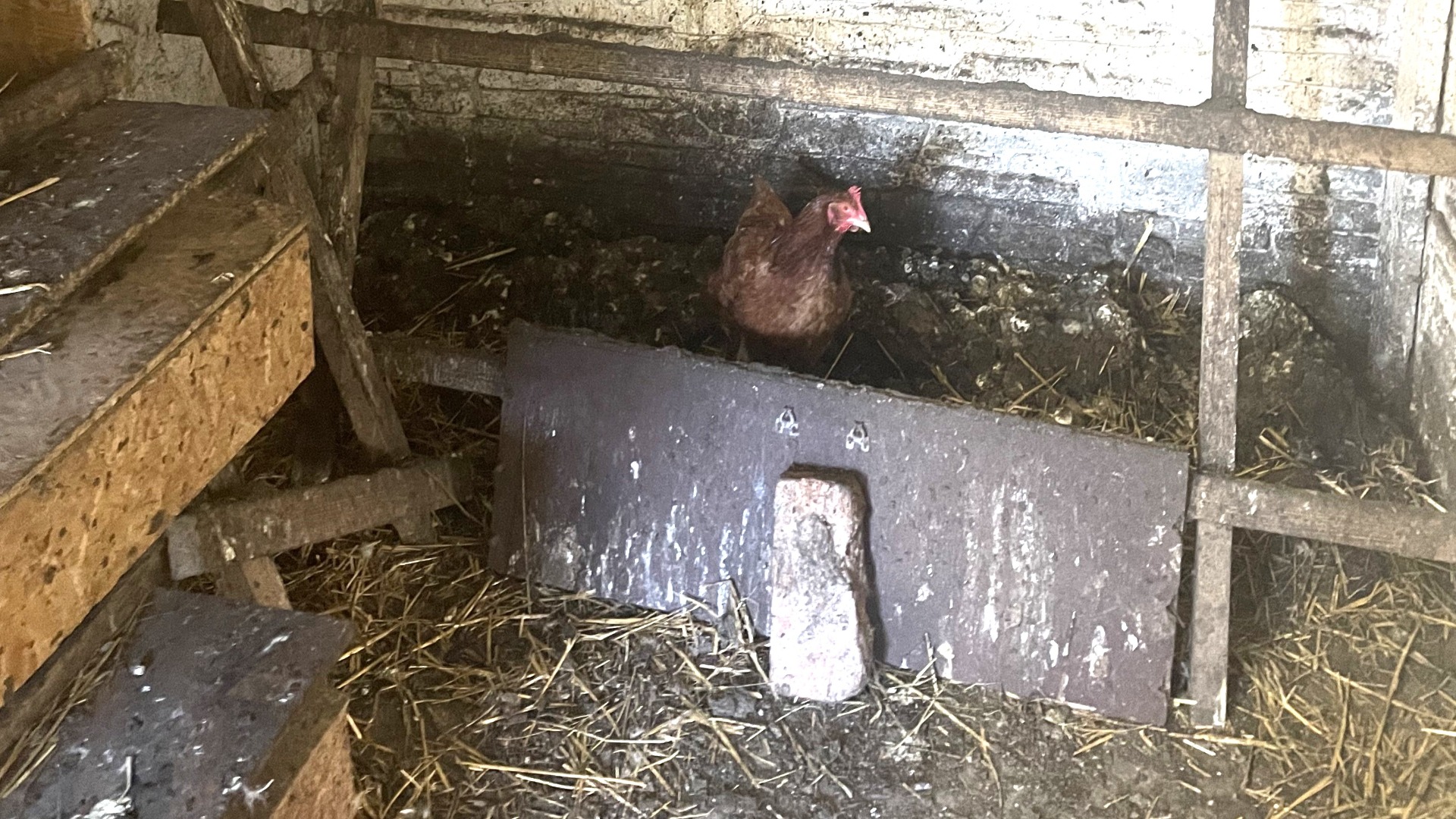
The first step is to remove all birds from the chicken coop so they do not interfere with the cleaning process. Laying hens may also be exposed to cleaning or disinfecting products, so they should remain outside or in another safe area until the work has been completed.
Where possible, remove chicken coop equipment such as drinkers, feeders and other accessories. Cleaning the chicken coop should begin with removing manure and old bedding from the floor. This is usually a mixture of chicken droppings and litter such as straw or wood shavings.
Chicken manure is a natural fertiliser rich in nutrients such as nitrogen, phosphorus and potassium, making it useful for improving soil fertility and plant growth.
Dried droppings are easier to remove if they are first moistened with water and then scraped away with a suitable tool. Pay particular attention to corners, edges of perches and nesting boxes. The area beneath the chicken perch usually contains the greatest amount of dirt because birds spend a large amount of time roosting there.
The floor beneath the perch should therefore be cleaned and washed thoroughly. A pressure washer can be useful for removing stubborn dirt and reaching difficult areas.
How often should you clean a chicken coop? A thorough cleaning should be carried out at least twice a year. Smaller maintenance cleaning, including replacing dirty bedding and washing feeders and drinkers, should generally be carried out once a week.
Chicken Feeders and Drinkers – Cleaning and Disinfection
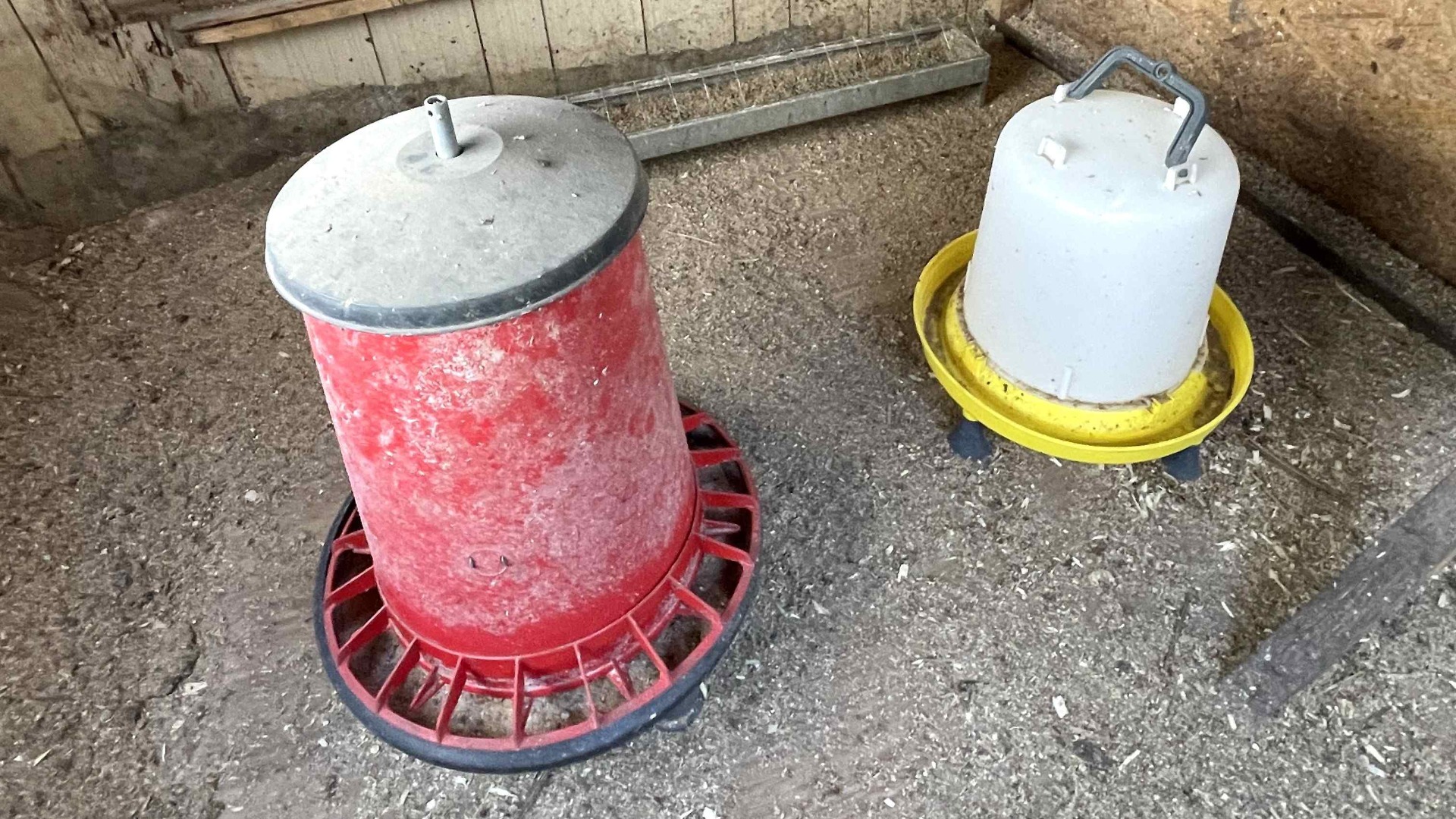
Dust and chicken droppings also accumulate on other equipment such as feeders and drinkers. For this reason, it is best to choose products made from materials that are easy to wash and disinfect, such as plastic or metal.
Wooden poultry feeders can be more difficult to clean thoroughly because dirt and parasites may penetrate the surface of the wood. Poultry feeders and drinkers should ideally be cleaned outside the chicken coop.
If possible, dismantle containers so that their internal reservoirs can also be cleaned. If feeders and drinkers are placed on blocks, bricks or other raised supports, these should also be cleaned before being returned to the coop.
Feed troughs may contain dried feed residues, so a suitable scrubbing brush can be useful. After thoroughly washing the drinkers and feeders, they should be disinfected. A broad-spectrum product such as Virkon disinfectant can be used according to its label instructions.
Once properly cleaned and disinfected, containers can be refilled with fresh feed and water and returned to the coop. Feeders and drinkers located in the outdoor run should also be cleaned and disinfected regularly.
A Clean Chicken Coop Means a Healthier Flock
Chicken coop cleaning is not limited to removing manure and replacing bedding. Windows and window frames should also be washed, as should entrance doors and door frames. Chicken coop doors should be cleaned on both the inside and outside to reduce the risk of introducing contaminants into the building.
Remember to clean the chicken run as well. Bedding, feathers and other debris carried outside by the birds can later be brought back into the coop.
A clean chicken coop also means repairing damaged parts and replacing equipment that is no longer in good condition. Once cleaning is complete, the floor should be covered with fresh bedding.
What is the best bedding for chickens? Straw and fine poultry wood shavings are among the most commonly used materials. To help keep the bedding fresh for longer, a dry disinfection product such as Sandezia can be spread over the litter. The product helps dry the bedding and reduce conditions favourable to microorganisms, larvae and eggs.
Dry disinfection of the chicken coop should be carried out regularly, for example once a week, according to the manufacturer’s instructions.
Whitewashing a Chicken Coop – Why Is It Worth Doing?
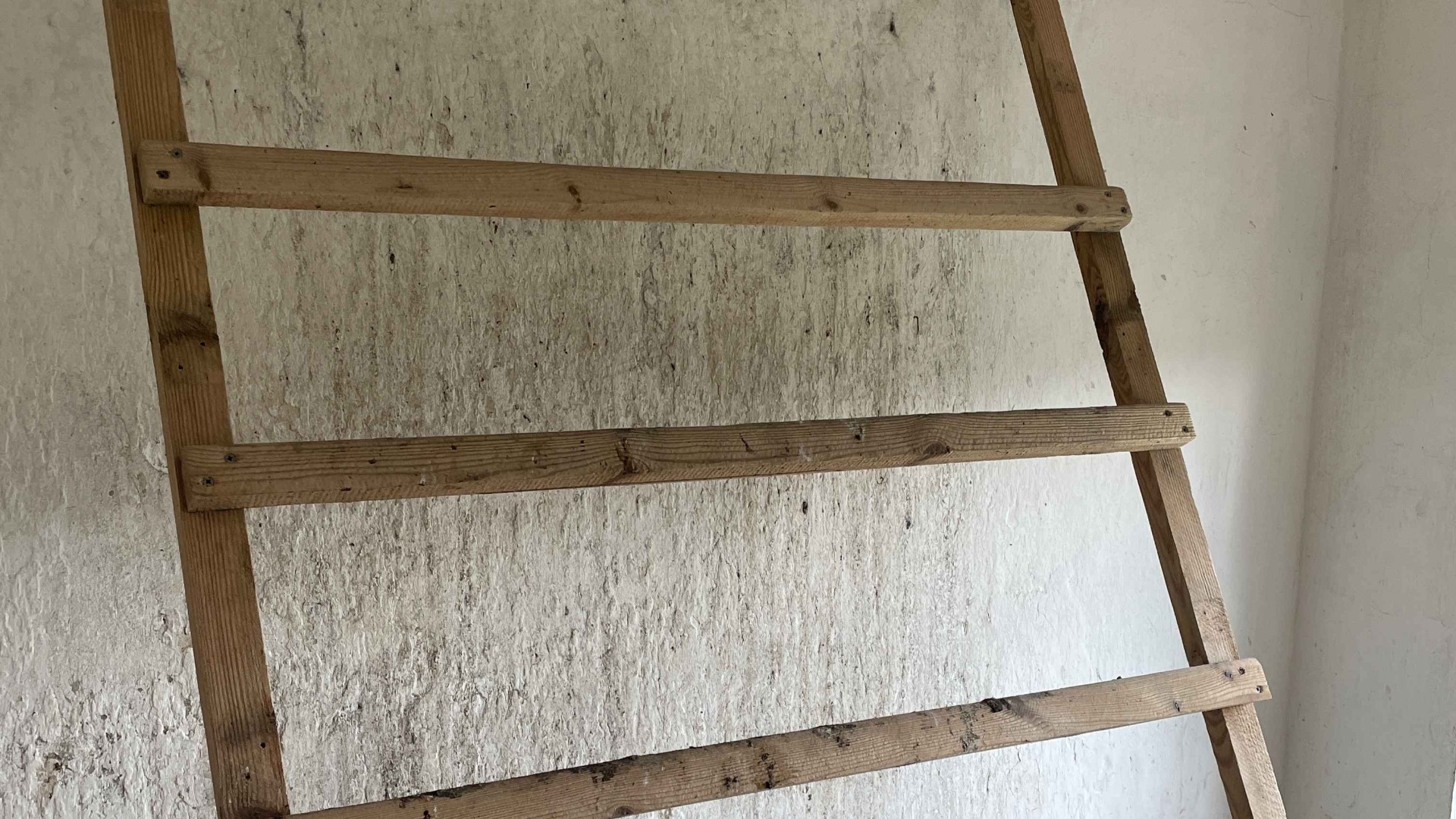
Whitewashing a chicken coop involves applying lime to the walls, ceiling and selected elements of livestock buildings such as poultry houses, cattle sheds, pig barns and stables. Whitewashing with lime helps maintain a high level of cleanliness and hygiene, which can support the health and productivity of the flock.
Lime for whitewashing walls has traditionally been used in livestock buildings because of its alkaline properties and its role in hygiene management. Whitewashing a chicken coop can provide several practical benefits:
- Disinfection and hygiene support – lime creates an alkaline environment that can help reduce some microorganisms and make conditions less favourable for certain parasites,
- Sealing small cracks – lime can help fill minor imperfections in walls, ceilings and wooden equipment, reducing the number of hiding places available to insects and parasites,
- Brightening the interior – white walls reflect light and make the chicken coop brighter, which is particularly useful in winter when there is less natural daylight.
When and How Often Should You Whitewash a Chicken Coop?
Chicken coop whitewashing is best carried out during spring or summer, as it can be difficult to keep birds outside the building for long periods during autumn and winter. Whitewashing is often performed before introducing a new flock so that the building is cleaned and prepared before birds are housed inside.
The process depends on weather conditions, especially temperature and humidity. Low temperatures can significantly increase drying time. For this reason, warmer months are generally more suitable, as walls contain less moisture and the lime coating adheres and dries more effectively.
Whitewashing livestock buildings is commonly carried out at least once a year, although more frequent treatment may be beneficial depending on conditions.
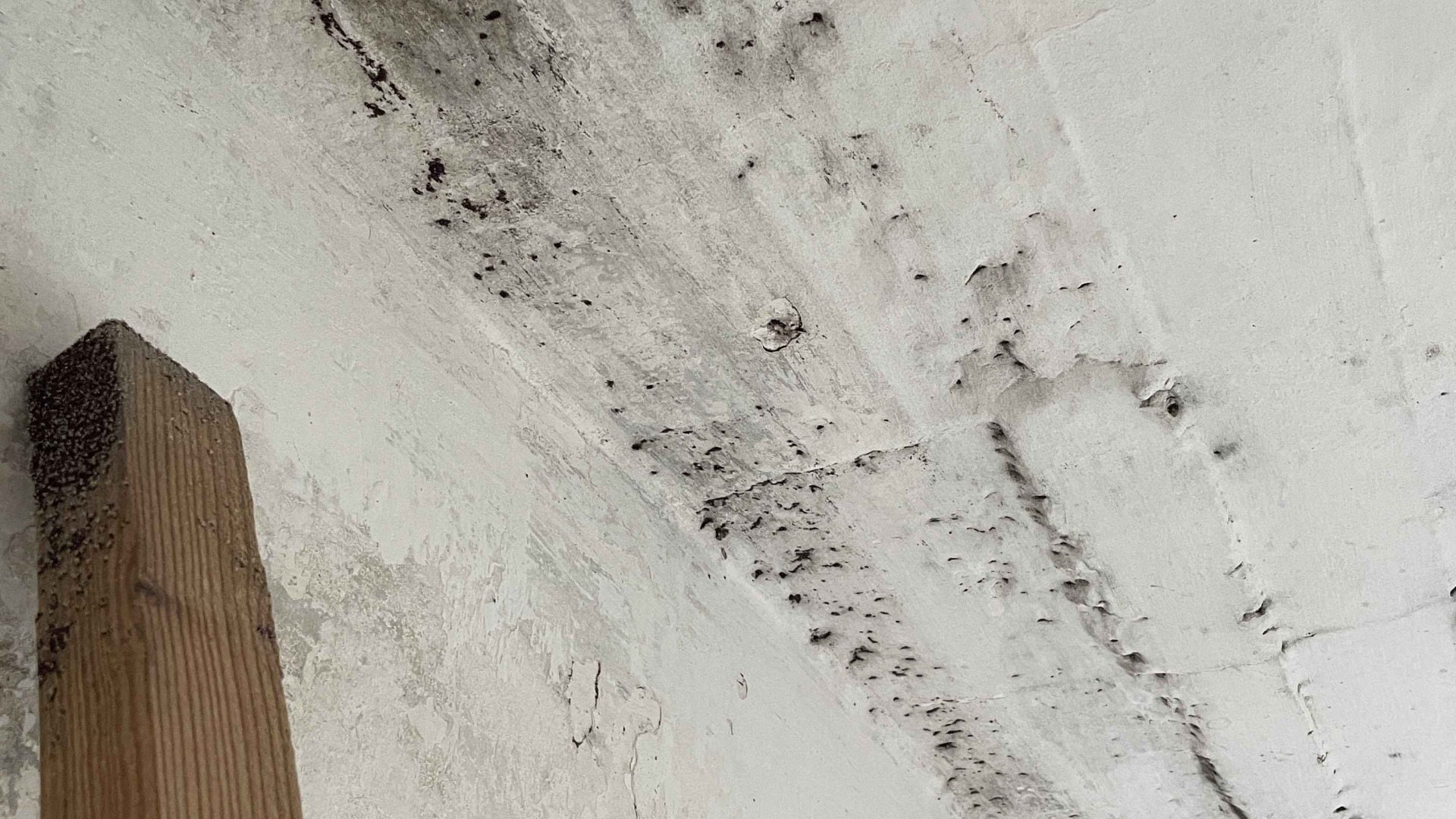
Chicken coop whitewashing should always be carried out after the building and its equipment have been thoroughly cleaned. Remove dried dirt, cobwebs and debris so that the lime coating can reach the surface properly, including difficult-to-access areas.
What Type of Lime Should Be Used for Whitewashing a Chicken Coop?
Limewash is widely used for whitewashing livestock buildings. Chicken coop whitewashing can also be carried out using hydrated lime in powder form. Both forms are based on lime, but they differ in preparation:
- Limewash – a liquid suspension of lime and water with a consistency similar to thin cream. If supplied as a ready-to-use product, it does not require additional dilution unless specified by the manufacturer.
- Hydrated lime – supplied as a dry powder. It can be mixed with water to prepare a limewash solution. A recommended mixing ratio is approximately 1:5 (hydrated lime to water). Lime should be added carefully to water rather than pouring water onto the lime. The freshly prepared mixture should be used according to product and safety instructions.
What Equipment Can Be Used to Whitewash a Chicken Coop?
Chicken coop whitewashing requires suitable tools for applying the lime solution. The best method depends on the size of the building.
- Roller or brush – the simplest and cheapest method. It is well suited to small backyard chicken coops, although it can be time-consuming on larger surfaces.
- Backpack sprayer – a faster option for larger areas, provided that the equipment is suitable for the prepared lime solution.
- Livestock building whitewashing machine – a high-pressure unit with a large tank, designed for whitewashing larger livestock buildings.
Whitewashing a chicken coop should also follow a logical order. Start with the ceiling, then move on to the walls and finally treat suitable equipment such as nesting boxes and perches. If surfaces are heavily soiled or coverage is insufficient, a second coat may be required.
Personal safety is extremely important. Lime is strongly alkaline and can cause serious irritation or burns. Wear suitable protective equipment, including a mask or respirator where required, protective goggles and protective gloves.
FAQ – Frequently Asked Questions
How Often Should You Clean a Chicken Coop?
Carry out smaller cleaning tasks and replace dirty bedding once a week. A thorough cleaning of the entire chicken coop should be carried out at least twice a year, preferably in spring and autumn.
Why Should You Whitewash a Chicken Coop?
Whitewashing helps improve hygiene, reduce hiding places for parasites and brighten the interior. Lime also creates an alkaline environment that can help limit the survival of some microorganisms on treated surfaces.
How Should You Clean a Chicken Coop?
First remove the chickens and equipment. Then remove old bedding and manure and wash the walls, floor, perches and nesting areas. After cleaning, disinfect the building where appropriate, allow it to dry completely, whitewash if required and add fresh bedding.
Why Is Regular Chicken Coop Cleaning Important?
Regular cleaning helps reduce pathogens, parasites, moisture and harmful gases such as ammonia. Good hygiene also supports the health, comfort and productivity of laying hens.
What Should You Use to Clean a Chicken Coop?
Use water, mechanical cleaning tools and, where suitable, a pressure washer to remove dried droppings and dirt. After cleaning, appropriate disinfectants or fresh limewash can be used according to their labels and intended use.
What Can Be Used to Disinfect a Chicken Coop?
Use disinfectants specifically approved for poultry or livestock buildings and follow the product label carefully. Products such as Virkon may be suitable for certain applications. Dry disinfection powders such as Sandezia can also be used according to their instructions.
Dry or Wet Disinfection – Which Is Better?
Wet disinfection is generally used during thorough cleaning when the coop is empty. Dry disinfection can be used regularly during the production cycle when the chosen product is approved for use in the presence of birds, and it can also help keep bedding dry.