
Farm-fresh egg prices have been rising in recent months, attracting increasing attention both in shops and at local markets. Many consumers wonder why free-range eggs or eggs from organic farms are more expensive than industrially produced eggs, especially when they are often perceived as offering better taste and quality.
Price fluctuations are caused by many factors – from feed and energy costs, through flock housing conditions, to transport and packaging. Rising expenses for poultry keepers, changing raw material prices and seasonal fluctuations mean that even locally produced eggs can surprise consumers at the checkout. More and more people are also looking for certified products from small, sustainable farms, which further affects the final price. As a result, the price of farm-fresh eggs has become not only a practical issue but also a reflection of the realities of modern poultry keeping and the food market.
Post Contents [hide]
What Makes Up the Cost of a Farm-Fresh Egg?
The price of a farm-fresh egg is not random. It results from a number of factors that are often invisible to the consumer at first glance. On small farms and in traditional chicken keeping, every stage of egg production – from feeding the birds and maintaining the flock to preparing eggs for sale – generates real costs.
The final price is affected by rising feed prices for laying hens, as well as the energy needed for heating and lighting the chicken coop. Labour also plays an important role – daily feeding, cleaning, flock monitoring, collecting eggs, sorting and packing them all require time.
Administrative and logistical expenses should not be overlooked either, including transport, packaging, optional certification and losses caused by disease or seasonal drops in egg production. Each of these elements contributes to the real cost of producing a farm-fresh egg. Its price therefore reflects not only the product itself, but also the work involved in caring for the flock and the growing costs of running a farm.
How Much Does Chicken Feed Cost?
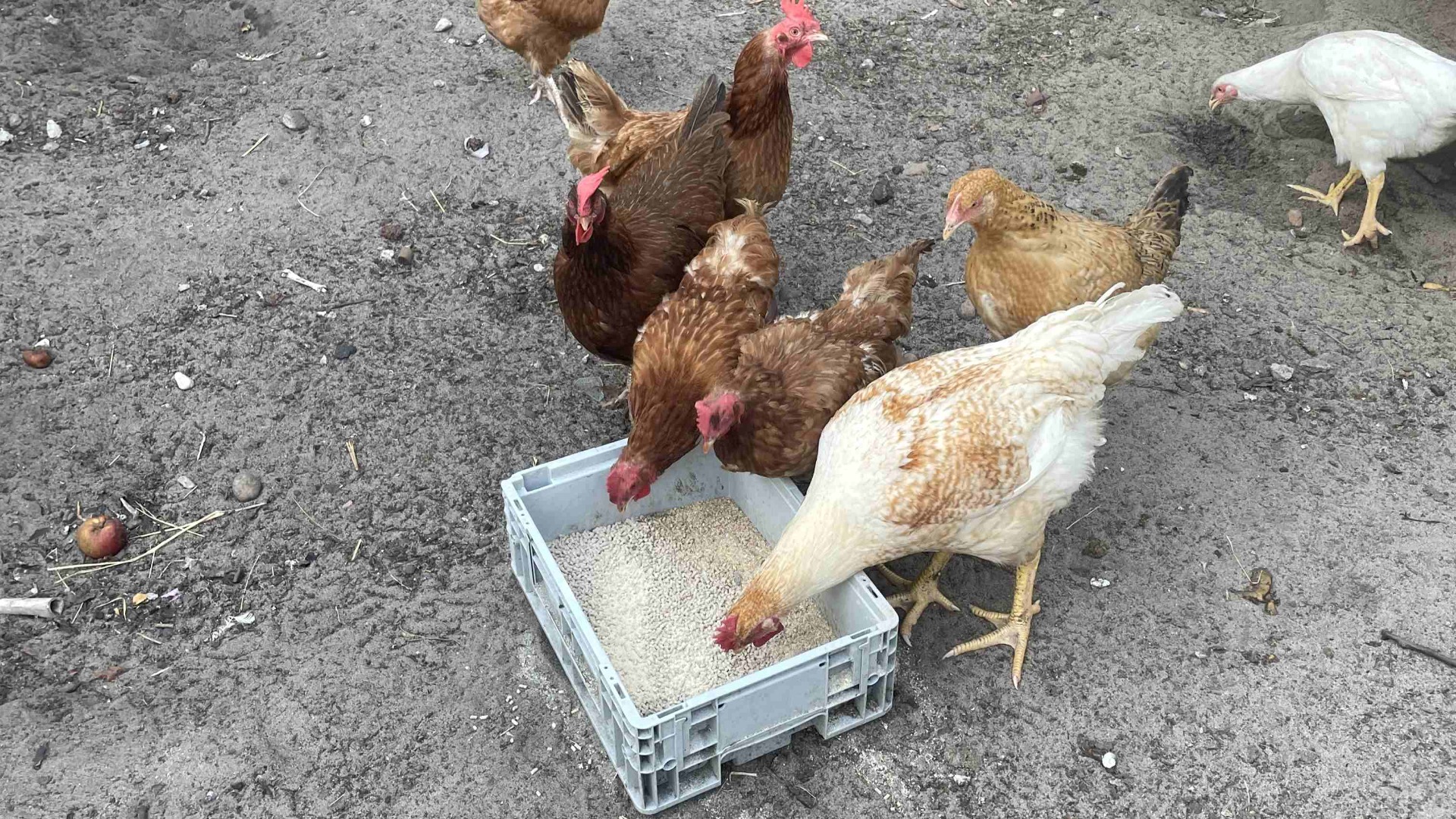
Chicken feed is one of the most important and expensive elements of laying hen farming, as nutrition directly affects flock health and egg production. On farms producing farm-fresh eggs, feed is a constant and unavoidable expense, and consumption may vary depending on the season and laying intensity.
The higher the quality of the feed, the more stable egg production may be, but the higher the cost of keeping the flock. Grain prices fluctuate, which also affects the cost of laying hen feed. In recent months, many poultry keepers have faced higher feed prices, which directly influence the final price of farm-fresh eggs.
How much does a hen eat? An adult laying hen consumes approximately 120–150 g of feed per day. Over a month, this amounts to roughly 4.5 kg of feed, or around PLN 15 per hen for a well-balanced feed, depending on the region and product used.
A complete feed for laying hens should contain suitable sources of energy, protein, vitamins and minerals. Wheat, barley and maize are commonly used ingredients. It is also worth supplementing the daily diet with vitamins for chickens and mineral additives, which create additional production costs.
What Are the Costs of Keeping Chickens?
The cost of maintaining chickens is another important factor affecting the actual price of farm-fresh eggs. Keeping laying hens requires not only good-quality feed, but also suitable housing conditions that directly influence flock health and regular egg production.
Expenses related to the chicken coop, hygiene and veterinary care are therefore an unavoidable part of both professional and family-run poultry keeping. These costs can be difficult to calculate precisely, but include:
- Heating, ventilation and lighting the chicken coop – maintaining the poultry house creates ongoing expenses, especially on farms producing farm-fresh eggs throughout the year. During winter, energy consumption for heating and lighting may increase. Laying hens need stable conditions and suitable lighting to maintain good laying performance. These electricity costs directly increase the cost of producing each egg.
- Chicken coop hygiene – regular replacement of bedding is essential in every laying hen flock. Straw, wood shavings or pellets all increase production costs. Maintaining cleanliness is important because dirty conditions encourage parasites and disease, which can negatively affect both the quality and number of eggs produced. Disinfectants and parasite-control products are additional recurring expenses.
- Veterinary care and vaccinations – healthy chickens support stable egg production, which makes veterinary care an important cost. Depending on the flock and local requirements, expenses may include vaccinations, parasite control, flock health checks and treatment when health problems occur. These costs contribute to the final price paid by the consumer.
How Much Does the Poultry Keeper's Labour Cost?
The work of a laying hen keeper is one of the key factors influencing the price of farm-fresh eggs and the true cost of egg production. On small and medium-sized farms, most tasks are carried out by the farmer or family members.
These duties include daily feeding of chickens, providing fresh water, checking flock health, cleaning the chicken coop, collecting eggs, sorting them and preparing them for sale. Every stage requires regular attention and commitment. Neglecting any of these tasks can reduce egg production, worsen egg quality and increase the risk of disease.
Chicken coop cleanliness, bedding replacement and maintaining good hygiene are essential for producing high-quality farm-fresh eggs. The keeper's time, daily flock care, egg inspection and hygiene management all represent real costs that affect the final price.
The true cost of farm-fresh egg production is therefore not limited to feed and energy. It also includes the farmer's time, experience and daily care for the flock.
What Additional Costs and Losses Affect Farm-Fresh Egg Prices?
In addition to feed, labour and chicken coop maintenance, the price of farm-fresh eggs is influenced by additional and administrative costs that often remain invisible to consumers.
Egg transport to sales points, markets or local shops requires time, fuel and appropriate packaging so that fresh eggs reach customers undamaged. Packaging, labels and certifications such as organic or free-range schemes may also increase production costs.
Certification often involves additional procedures, documentation and inspections. Flock losses caused by disease or eggs with damaged or unsuitable shells must also be included, as they increase the unit cost of saleable eggs.
All these factors show that the price of farm-fresh eggs is not determined solely by feed or labour, but by the entire process of farm management and maintaining high product quality.
Why Are Farm-Fresh Eggs More Expensive Than Cage Eggs?
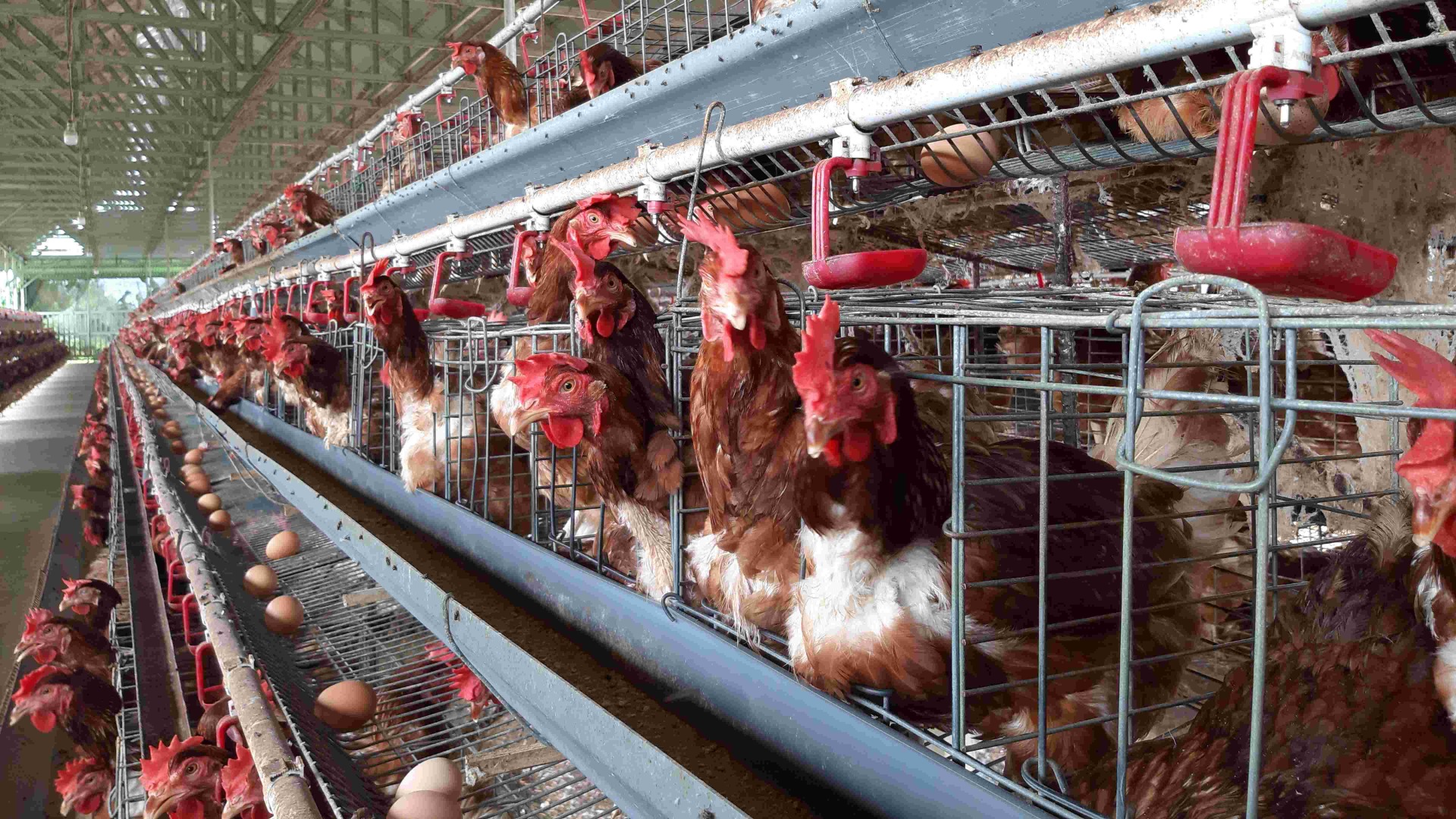
Many consumers ask whether cage eggs differ significantly from eggs produced in free-range or backyard systems. Cage production allows large quantities of eggs to be produced efficiently at a relatively low unit cost because many hens can be kept in a controlled production system and feeding and management are optimised for scale.
Cage eggs are therefore usually cheaper. In contrast, free-range eggs and organic eggs require more space per bird, different housing conditions and often more labour.
Feeding, collecting eggs, cleaning the chicken coop and maintaining flock health all generate real costs that contribute to the higher price of farm-fresh eggs. For many consumers, local and free-range eggs are also valued for freshness, traceability, production method and taste.
How Much Do Farm-Fresh Eggs Cost? Summary of Real Production Costs
When we look at the entire farm-fresh egg production process, it becomes easier to understand why the price of a single egg is the result of many everyday expenses.
- How much does feed cost per egg? An adult laying hen consumes approximately 120–150 g of feed per day, or around 4.5 kg per month. According to the assumptions in this example, that costs around PLN 15 per hen. A laying hen may produce roughly 22–25 eggs per month, depending on breed, age, season and housing conditions. This means feed alone may cost approximately PLN 0.55–0.70 per egg.
- Energy costs: heating and lighting the chicken coop, especially during winter, may add around PLN 0.10–0.20 per egg according to the assumptions used here. Bedding, hygiene, disinfectants, parasite-control products and veterinary care may add a further approximately PLN 0.10–0.15 per egg.
- One of the most frequently overlooked costs is the poultry keeper's labour. Daily feeding, flock inspection, cleaning, egg collection, sorting and packaging take time. When this labour is calculated per egg, it may represent another PLN 0.30–0.50, depending on flock size and production scale.
- Small-scale chicken keepers often do not fully include their own labour or a standard profit margin in the selling price. As a result, the actual profit from egg sales may be very small. Disease outbreaks, lower laying performance or sudden increases in feed costs can further reduce profitability.
- After adding together feed, energy, bedding, veterinary care, packaging, transport and labour, the estimated production cost in the example given in this article may reach approximately PLN 1.00–1.50 per farm-fresh egg at farm level. A margin above this level may be necessary to maintain production, invest in the flock and cover unexpected expenses.
Will Farm-Fresh Eggs Become Even More Expensive in 2026?
2026 may continue to bring changes for laying hen keepers, and several factors can influence the price of farm-fresh eggs. Feed, energy and transport remain major components of egg production costs. Grain markets, fuel prices and electricity costs can all affect the economics of small poultry farms.
Seasonality also plays an important role. Reduced egg production during certain periods, combined with higher demand around holidays, can cause prices to fluctuate. Disease risks, including avian influenza, may also affect egg supply and require additional biosecurity measures that increase production costs.
At the same time, consumers are increasingly interested in organic eggs, local food, free-range production and products from small farms. Growing awareness of animal welfare and food origin may continue to support demand for premium eggs.
As a result, 2026 may bring further price fluctuations or increases, while strengthening the position of farm-fresh eggs as a premium local product.
FAQ – Frequently Asked Questions
How Much Do Farm-Fresh Eggs Cost?
According to the source article, the price in Poland may range from approximately PLN 1.00 to PLN 2.00 per egg, depending on the region and seller.
Why Do Farm-Fresh Egg Prices Rise After Winter?
Winter can increase energy and housing costs while egg production may decrease, which raises the cost of producing each egg.
Why Does the Price of Eggs Depend on the Region?
Feed, energy and transport costs vary by location, as does local demand for free-range and farm-fresh eggs.
Why Do Small Farms Sometimes Sell Eggs Below Their True Production Cost?
Many small poultry keepers do not fully calculate the value of their own labour. Egg sales may therefore primarily cover feed and basic flock-maintenance costs rather than generate a significant profit.
Is Selling Farm-Fresh Eggs Profitable?
Profitability depends on feed prices, flock size, egg production, selling price and whether labour and other indirect costs are included. For very small flocks, margins may be limited.
Are Farm-Fresh Eggs Healthier?
The nutritional value of eggs depends on factors such as the hens' diet, production system and freshness. Farm-fresh eggs are often valued for their freshness, traceability and the way the birds are kept.
How Long Can Farm-Fresh Eggs Be Stored?
Farm-fresh eggs can generally be stored for several weeks under suitable conditions. They should be kept clean, undamaged and at a stable, cool temperature. Always follow local food-safety guidance for storage and sale.
How Many Eggs Does a Hen Lay Per Day?
A healthy laying hen may lay close to one egg per day during periods of high production, although the actual average depends on breed, age, nutrition, daylight and season.