
Winter is a difficult time for backyard poultry keeping, and snow in the chicken run can be a challenge for both poultry keepers and the birds themselves. Chickens in winter need a properly prepared outdoor area to stay healthy, comfortable and naturally active. A poultry run in winter is exposed to frost, moisture and accumulated snow, all of which can affect flock welfare and housing conditions. This is why it is important to know how to react when snow appears in the aviary and how to provide birds with a safe, dry place for their daily activity.
Poultry keeping, especially backyard duck keeping, requires additional attention during winter. Low temperatures, wet ground and shorter daylight hours can affect the health and behaviour of birds. A properly prepared chicken run and outdoor area for other poultry can help reduce the risk of frostbite, health problems and stress. Good winter protection also helps birds maintain their natural daily routine. Even on snowy days, chickens can safely use an appropriately prepared run, which supports their condition and overall welfare.
Post Contents [hide]
Should Chickens Be Allowed Outside in Winter?
Many backyard poultry keepers wonder: can chickens walk on snow? And can snow in the chicken run harm their health? Chickens can cope with winter conditions, but their exposure to snow should be controlled. Chickens in winter may feel uncomfortable on snow because cold and wet ground can chill their feet and reduce their willingness to move around.
As a result, many flocks instinctively avoid snow, especially when the run has not been properly prepared. Wet, icy or very soft snow can increase the risk of discomfort and injury, so it is worth creating a dry and secure area for the birds.
Using mats, straw or cleared pathways makes a winter chicken run more practical even at low temperatures. Different breeds respond differently to winter weather. Heavier and well-feathered poultry generally cope better, while smaller ornamental breeds may be more sensitive to cold.
Indian Runner ducks in winter tolerate low temperatures relatively well, but they are sensitive to excessive moisture and draughts. It is therefore useful to provide suitable ground cover, such as sand, in their outdoor area.
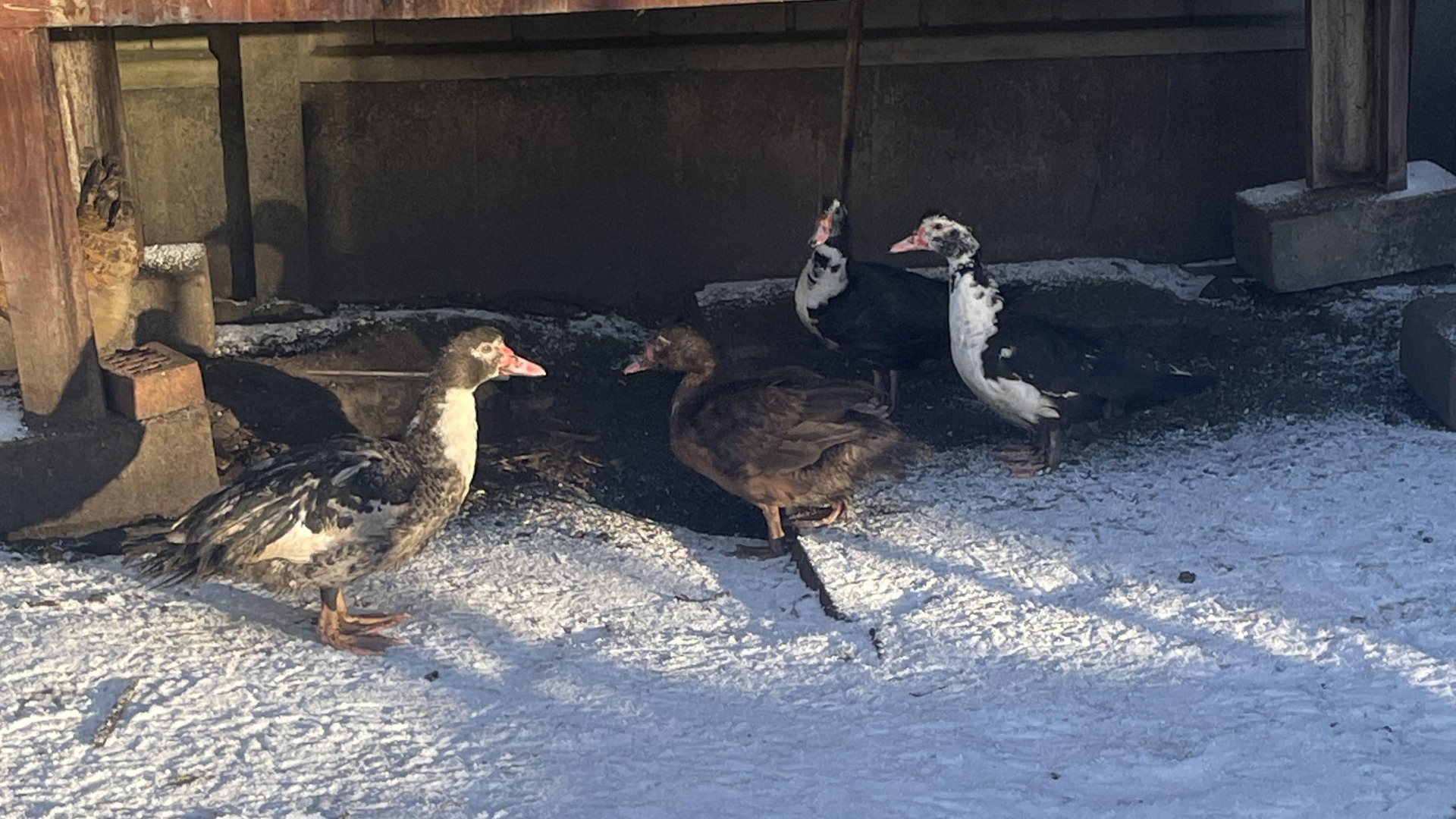
Potential Winter Hazards for Poultry
- Respiratory problems in chickens – low temperatures combined with damp air can contribute to respiratory issues. Proper ventilation in the chicken coop and aviary helps maintain good air quality and flock health.
- Leg, foot and claw injuries – hard, icy or uneven ground may increase the risk of sprains, fractures and foot injuries. Poultry keepers should maintain safe ground conditions and regularly inspect the birds’ feet.
- Reduced immunity in chickens during winter – stress and cold conditions can weaken poultry. During winter poultry keeping, a well-balanced and energy-appropriate diet is important for maintaining health and condition.
- Reduced egg production and stress – unsuitable environmental conditions and limited space may reduce laying performance. Regularly checking the flock, feeders and drinkers helps minimise the negative impact of winter on egg production.
- Skin and foot problems – excessively wet or cold ground can contribute to skin irritation and foot disorders. Backyard poultry flocks should always have access to dry, clean resting areas.
How to Prepare a Chicken Run for Winter
Preparing a chicken run for winter is an important part of maintaining the health and comfort of backyard poultry. A well-organised winter chicken run can help reduce the risk of injuries, health problems and stress. The most important rules include:
- Dry and safe ground – to allow chickens to use the run in winter, provide a stable and dry surface. Straw, wood shavings, mats or hardened pathways can reduce contact with moisture and ice.
- Cover part of the run – part of the outdoor area should be protected from wind, rain and snow. A covered chicken run provides dry ground and shelter, improving comfort and supporting natural activity.
- Check feeders and drinkers regularly – make sure birds always have access to fresh feed and water. Chickens in winter require sufficient energy to maintain body temperature and activity. Drinkers should be protected against freezing and snow.
- Safe paths and resting areas – dry, non-slip paths and sheltered resting zones reduce the risk of injuries and frost-related problems. Properly prepared winter space encourages birds to stay active.
- Adapt the run to the breed and flock size – not all chicken breeds tolerate winter conditions equally well. Larger flocks may need several separate areas to reduce crowding and stress. A winter poultry run should provide enough room for birds to walk, scratch and forage naturally.
- Inspect the run regularly – even a well-prepared run requires daily attention. Check the ground, feeders, drinkers and shelters, and replace wet material whenever necessary.
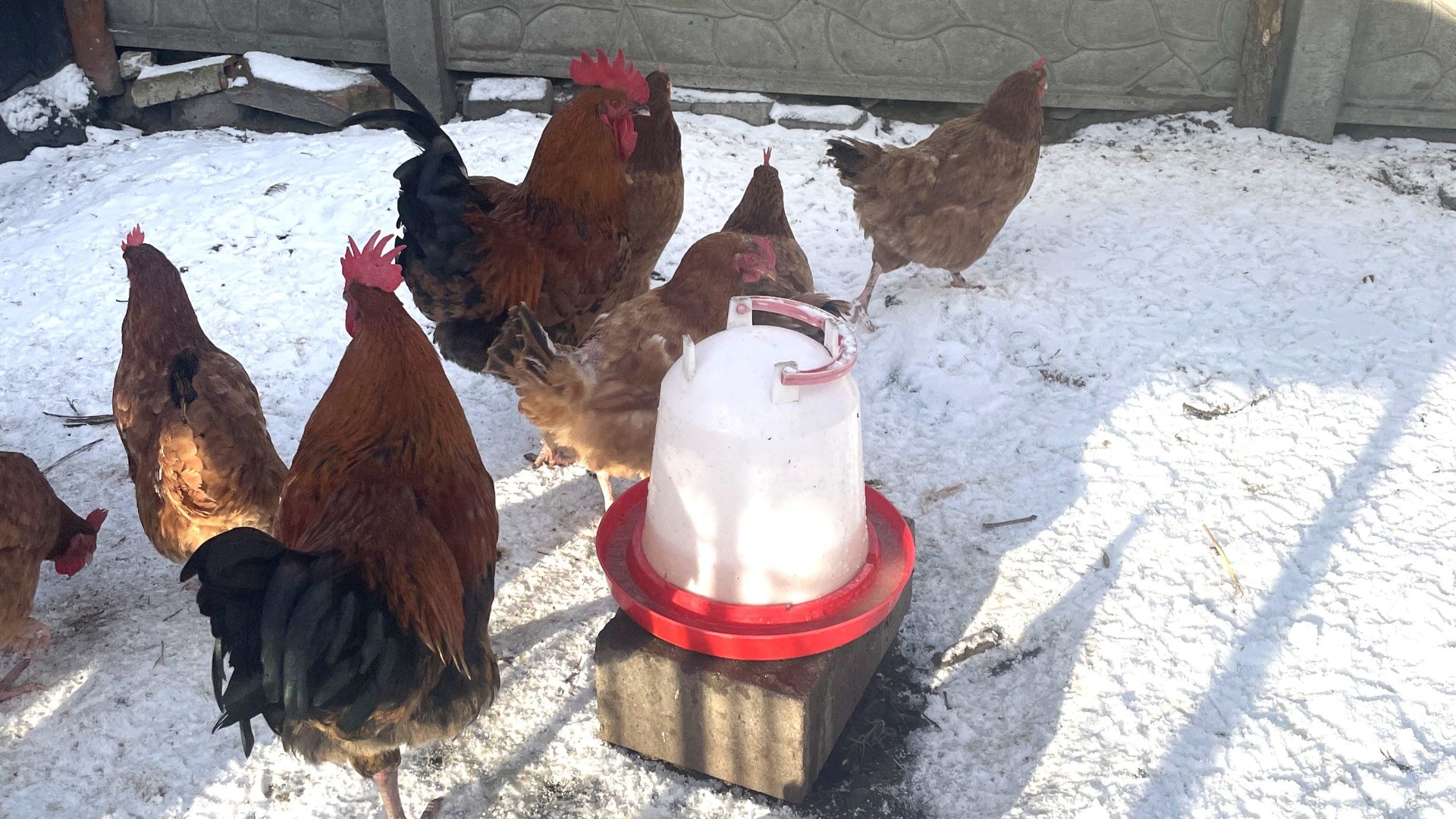
Protecting an Aviary from Snow – How to Keep Poultry Safe in Winter
For backyard poultry keepers, properly protecting an aviary in winter is important for the health and comfort of chickens. Chickens in winter need dry, sheltered areas that protect them from wind, moisture and frost. The most important measures include:
- Aviary covers and roofing – covering part of the run reduces the amount of snow and precipitation reaching the birds. Tarpaulins, polycarbonate sheets or purpose-built roofing can be used where appropriate.
- Protective netting and side covers – a chicken aviary may benefit from additional side protection to reduce draughts and wind-blown snow. This can improve comfort and reduce exposure.
- Regular snow removal – even a well-protected aviary requires routine inspection. Snow accumulating around entrances and frequently used areas should be cleared regularly.
- Adapt protection to flock size – larger flocks need more sheltered space. Roofing, shelters and pathways should be arranged so that birds are not crowded together.
Encouraging Chickens to Stay Active in Snowy Weather
During winter, many backyard poultry keepers wonder how to encourage their birds to remain active outdoors. Chickens in winter benefit from stimulation and a well-prepared environment that allows them to express natural behaviours safely.
- Gradual adaptation to winter conditions – allow birds to become accustomed to colder weather gradually. Short periods outside can help them adapt without unnecessary stress. Increase outdoor time only when weather conditions are suitable.
- Make the winter run more interesting – scatter grain in the bedding to encourage scratching and foraging. Hanging vegetables such as carrots or cabbage can also provide enrichment. Chicken toys can reduce boredom and encourage movement.
- Know when to let birds outside and when to keep them indoors – chickens in winter should only use the outdoor run in safe conditions. During strong winds, severe cold or when the ground is very wet or slippery, it may be better to keep the flock inside. Observing bird behaviour is one of the best ways to judge whether outdoor conditions are suitable.
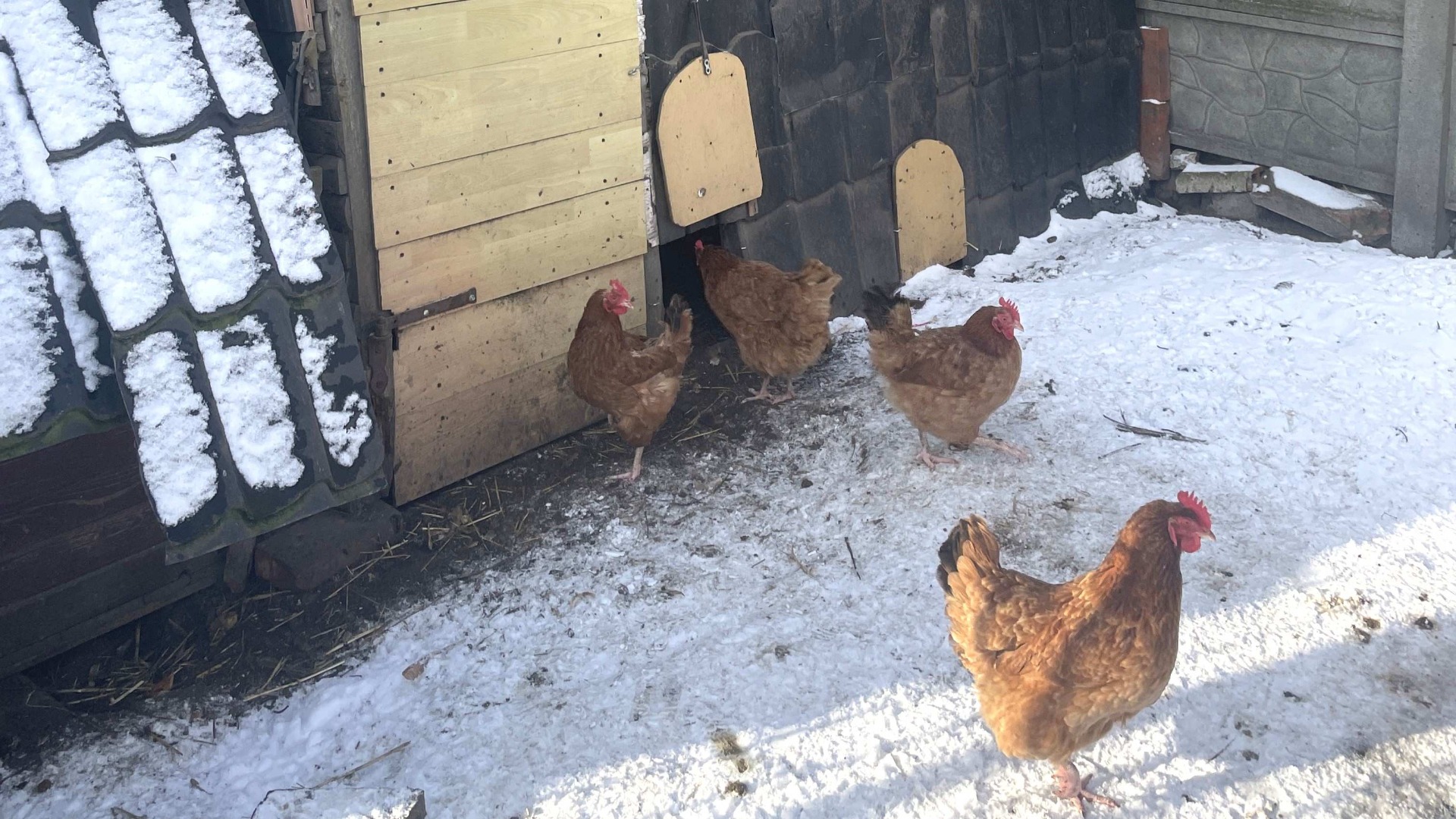
Common Mistakes Made by Beginner Poultry Keepers in Winter
In backyard poultry keeping, beginners often make winter-management mistakes that negatively affect the comfort and health of chickens. Proper preparation of the run and aviary is important throughout the cold season. The most common mistakes include:
- Keeping chickens permanently locked inside throughout winter – chickens still benefit from movement and fresh air when weather conditions are safe. Lack of activity may contribute to boredom, stress and poorer physical condition.
- No protection against snow and snow accumulation in the aviary – an unprotected chicken aviary exposes birds to wind, moisture and snow. Side covers, partial roofing and regular snow removal help maintain a safer environment.
- Wet bedding and failure to inspect the birds’ feet – excessively damp bedding can contribute to foot and skin problems. Poultry keepers should regularly inspect the legs and feet and maintain dry bedding both in the coop and outdoor areas.
- Failure to observe the flock – changes in movement, behaviour or appetite may indicate stress or health problems. Regular monitoring allows problems to be identified early and supports good poultry welfare.
FAQ – Frequently Asked Questions
Can Chickens Go Outside in Winter?
Yes, provided the outdoor run is safe, dry and protected from severe frost and strong winds.
Is Snow Harmful to Chickens?
Brief contact with snow is usually not a problem, but prolonged exposure to cold and wet conditions can increase the risk of discomfort, frost-related problems and illness.
Should Chickens Be Kept Inside All Winter?
No. Chickens can benefit from outdoor activity during suitable winter weather. However, outdoor access should be limited during severe cold, strong wind, ice or very wet conditions.
How Can You Protect an Aviary from Snow?
Use partial roofing, side covers and suitable ground mats, and regularly remove wind-blown or accumulated snow.
How Can You Prevent Frostbite in Chickens?
Provide dry ground, protection from wind and moisture, and a dry, well-ventilated chicken coop. Regularly check combs, wattles and feet during cold weather.
Do Chickens Eat Snow?
They may peck at snow, but snow should not replace drinking water. Always provide fresh, unfrozen water.
How Can You Keep Poultry Active During Winter?
Scatter grain in the bedding, hang vegetables, provide enrichment and create dry pathways that encourage birds to explore the run.
Can Young Chickens Go Outside in Winter?
Only when they are fully feathered and weather conditions are mild enough. Young poultry are generally more sensitive to cold than mature birds.