
Bad habits in chickens are not a sign of spiteful behaviour, but rather an indication of nutritional mistakes or unsuitable conditions in the chicken coop. When starting a backyard flock, new poultry keepers often do not realise how many challenges they may face. These can include predator attacks, diseases within the flock, feeding and housing mistakes, as well as difficult-to-eliminate behavioural problems in chickens. To prevent them, it is worth preparing properly by learning from experienced poultry keepers and reliable poultry management guides. In this article, we focus on the behaviours that can cause serious problems not only for beginners, but also for experienced chicken keepers.
Post Contents [hide]
Aggression and Cannibalism in Chickens
Cannibalism most commonly occurs in birds that are several weeks old, although it can also appear in adult hens. The problem involves birds injuring and pecking at other members of the same flock. The causes of cannibalism can be environmental, nutritional or genetic. External parasites may also contribute to the development of this behaviour.
Among environmental factors, the most common causes include excessive stocking density, overheating, excessively low humidity and intense lighting that irritates the birds. However, the most common cause of cannibalism in chickens is an unsuitable diet. Deficiencies in protein, particularly animal protein, as well as vitamin B12, minerals, calcium and fibre may all contribute to the problem.
Chickens may also become more aggressive when fed large amounts of maize or pelleted feed. Pellets are consumed quickly, which may leave birds with less opportunity to satisfy their natural pecking behaviour and may increase boredom in the coop. Chickens eat mash feed much more slowly than pellets, giving them a longer period of feeding activity and helping satisfy their natural instinct to peck.
Cannibalism is also often seen in flocks where prolapse of the oviduct or cloaca occurs. Birds may peck at legs, wounds and the cloacal area, particularly when tissue remains visible after an egg has been laid. Chickens naturally peck at objects in their environment, and the sight and taste of blood can intensify this behaviour.
External parasites such as poultry red mites may also contribute to cannibalistic behaviour in chickens. They feed on the birds' blood and can cause skin damage and wounds. Infestations also create stress and restlessness within the flock, which may lead to increased aggression between birds.
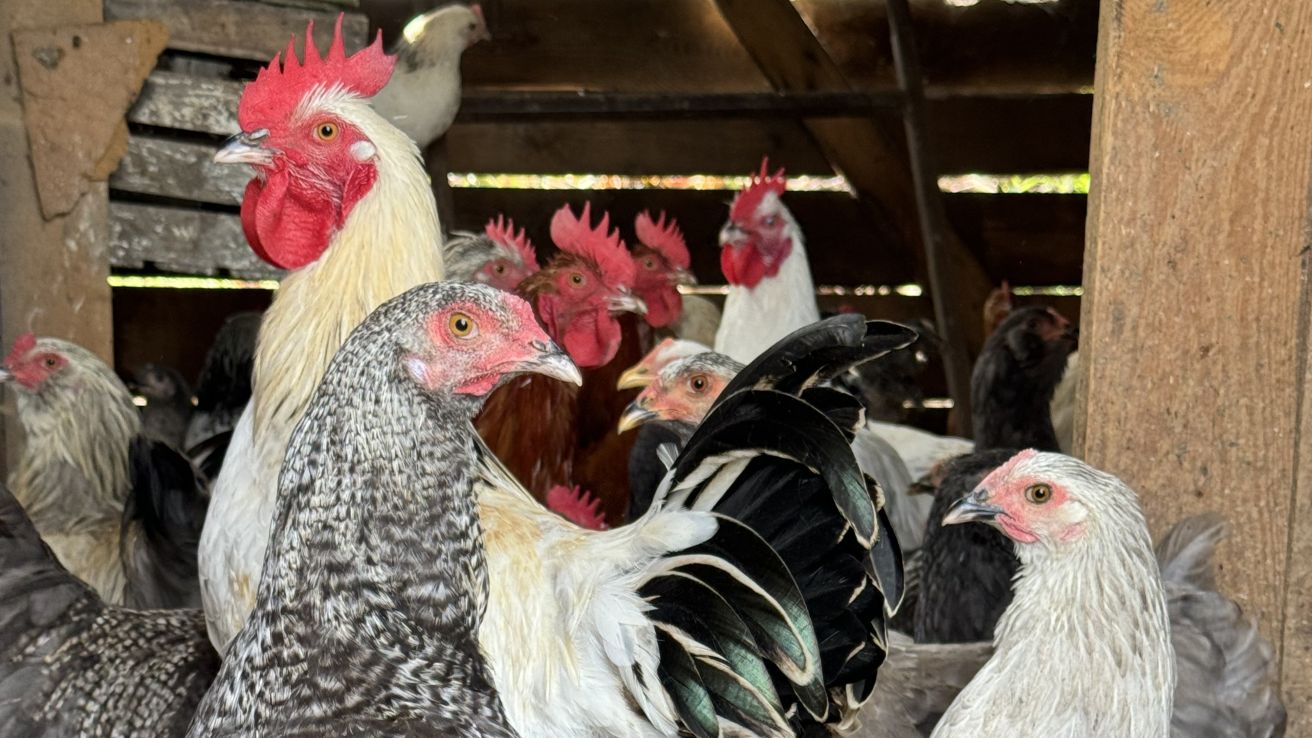
What Are the Signs of Cannibalism in a Chicken Flock?
Cannibalism may appear suddenly within a flock. The first symptoms are often general restlessness and increased nervousness. Within just 2–3 days, the problem can spread and individual birds may begin behaving aggressively towards others, usually targeting the weakest members of the flock.
One of the most serious forms of cannibalism involves pecking at the cloacal area and pulling out internal tissues. Cannibalism may also take the form of pecking wounds, pulling out feathers, pecking toes or attacking the head, wings and tail.
What Are the Consequences of Cannibalism in Chickens?
Aggression within a flock always has negative consequences and may even result in bird mortality. Depending on the form and severity of cannibalism, losses may range from 0.1% to as much as 10% of the flock. Cannibalism is also associated with reduced productivity, lower hatchability and poorer weight gain.

How to Prevent Cannibalism in Chickens
To prevent aggressive behaviour within the flock, the first step is to eliminate factors that may cause stress. It is particularly important to keep the flock free from external parasites such as poultry red mites, lice and chicken fleas.
Laying hens should also be provided with a sufficient number of nesting boxes. Ideally, no more than 5–6 hens should share one nest. Too few nesting places may cause hens to retain eggs, which can contribute to prolapse of the oviduct or cloaca and increase the risk of cannibalism.
Both the most severely injured birds and the most aggressive individuals should be removed or separated from the flock. It is also worth making sure that the chickens do not become bored. Mineral pecking blocks, vegetables for pecking and treat-dispensing chicken toys can provide useful enrichment and keep the birds occupied.

How to Control Cannibalism and Aggression in Chickens
To control cannibalism effectively, it is important to determine the underlying cause first – whether it results from environmental conditions, genetics or poor nutrition.
Rapid improvement may be achieved by using special feed supplements designed to reduce aggression and cannibalism in chickens, including products such as Agreset that are mixed with feed.
It is also worth placing a mineral pecking block in the coop or outdoor run. Such blocks help supplement the diet while keeping the birds occupied for longer periods. The most aggressive individuals should be separated from the rest of the flock. If this is not possible, anti-pecking beak guards may be used to reduce their ability to injure other birds.
Injured chickens should be treated and isolated until their wounds heal completely, particularly until no visible traces of blood remain, as blood can intensify cannibalistic behaviour.
Providing adequate space, enough nesting boxes, good parasite control and a balanced diet supplemented where necessary can significantly reduce aggression within the flock.
Feather Pecking in Chickens – Pterophagia
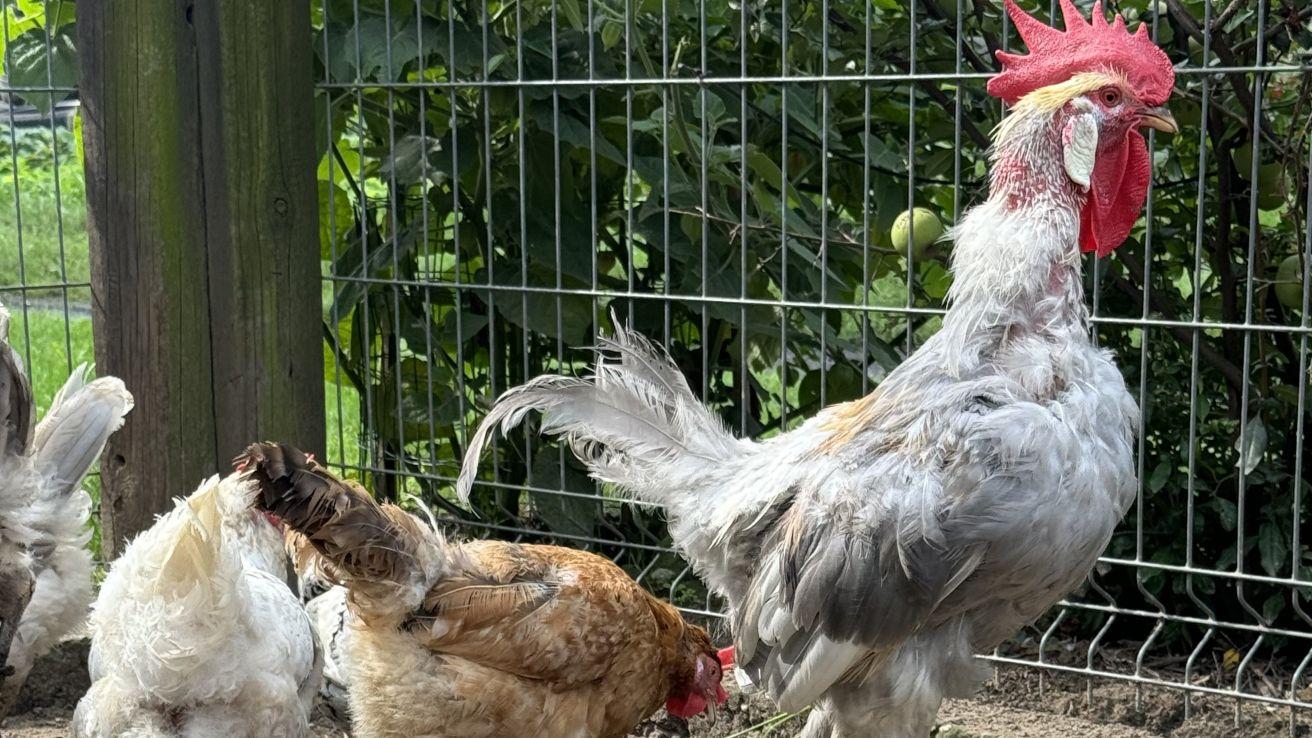
Feather pecking in chickens most often appears after the first laying period or during moulting. It involves birds pulling feathers from one another, especially around the cloaca, tail and neck.
Pterophagia is most commonly associated with nutritional mistakes, including deficiencies in protein, vitamin K and trace minerals. Birds affected by this problem may develop large areas of feather loss, leaving parts of the body completely bare.
Feather pecking can develop into cannibalism, so it should never be ignored. Special sprays may be used to discourage chickens from pecking feathers.
Egg Eating in Chickens
Egg eating in chickens is often associated with mineral deficiencies. Hens may initially break eggs to eat the shell and then begin consuming the rest of the egg. The problem is particularly likely to develop when eggshells are thin or when hens lay shell-less eggs.
Birds can quickly become accustomed to this behaviour, making it difficult to stop once established. To prevent egg eating, hens should receive adequate minerals and vitamin D3. Useful supplements include feed-grade chalk for chickens, oyster shells and mineral pecking blocks such as Peckit.
Eggs should also be collected frequently from the nesting boxes. Another effective solution is to install automatic roll-away nesting boxes with egg collection trays. Once laid, the egg rolls into a protected tray that the hen cannot access, allowing the keeper to collect it later.
Dummy eggs or nest eggs can also help discourage egg pecking because their hard surface makes them difficult for chickens to break.
Summary
Bad habits in chickens, including cannibalism, feather pecking and egg eating, are most commonly caused by nutritional mistakes and unsuitable housing conditions. Mineral deficiencies that contribute to undesirable behaviour can often be corrected quickly with special poultry feed supplements.
Simple solutions such as mineral pecking blocks, feed-grade chalk and oyster shells can produce noticeable improvements in a relatively short time. The importance of providing enough nesting boxes should also not be underestimated, as insufficient nesting space can lead to a number of problems that poultry keepers do not always immediately associate with housing conditions.
Bibliography
- W.B. Borzemska: “Vademecum chorób drobiu”
- Z. Wachnik: “Choroby drobiu”
- Z. Dubiska: “Obserwacja nad przebiegiem pterofagii u kur i próba jej zahamowania”