
Proper chick rearing is one of the greatest challenges for every poultry keeper. When chicks leave the home egg incubator, the first 48 hours are crucial for their survival. This is the most important period because their young bodies must suddenly adapt to life outside the eggshell. During these first two days, chicks must learn how to drink and eat, while their immune system is still very weak. Even a short period of chilling or lack of water at this stage can lead to health problems, which is why a professionally prepared chick brooder is essential for successful rearing. Such a brooder for chicks, often referred to as an artificial hen, must replace the care normally provided by a mother hen. The most important factor is maintaining a stable temperature in the chick brooder, which can be provided by a good heat lamp (infrared heater) or a safe chick brooder heating plate. If you provide stable warmth, clean drinkers and feeders, and dry bedding, your egg incubation will result in a healthy flock. Remember that proper brooder equipment is not an unnecessary expense, but an investment in strong chickens, geese and ducks.
Post Contents [hide]
When should chicks be moved from the incubator to the brooder?
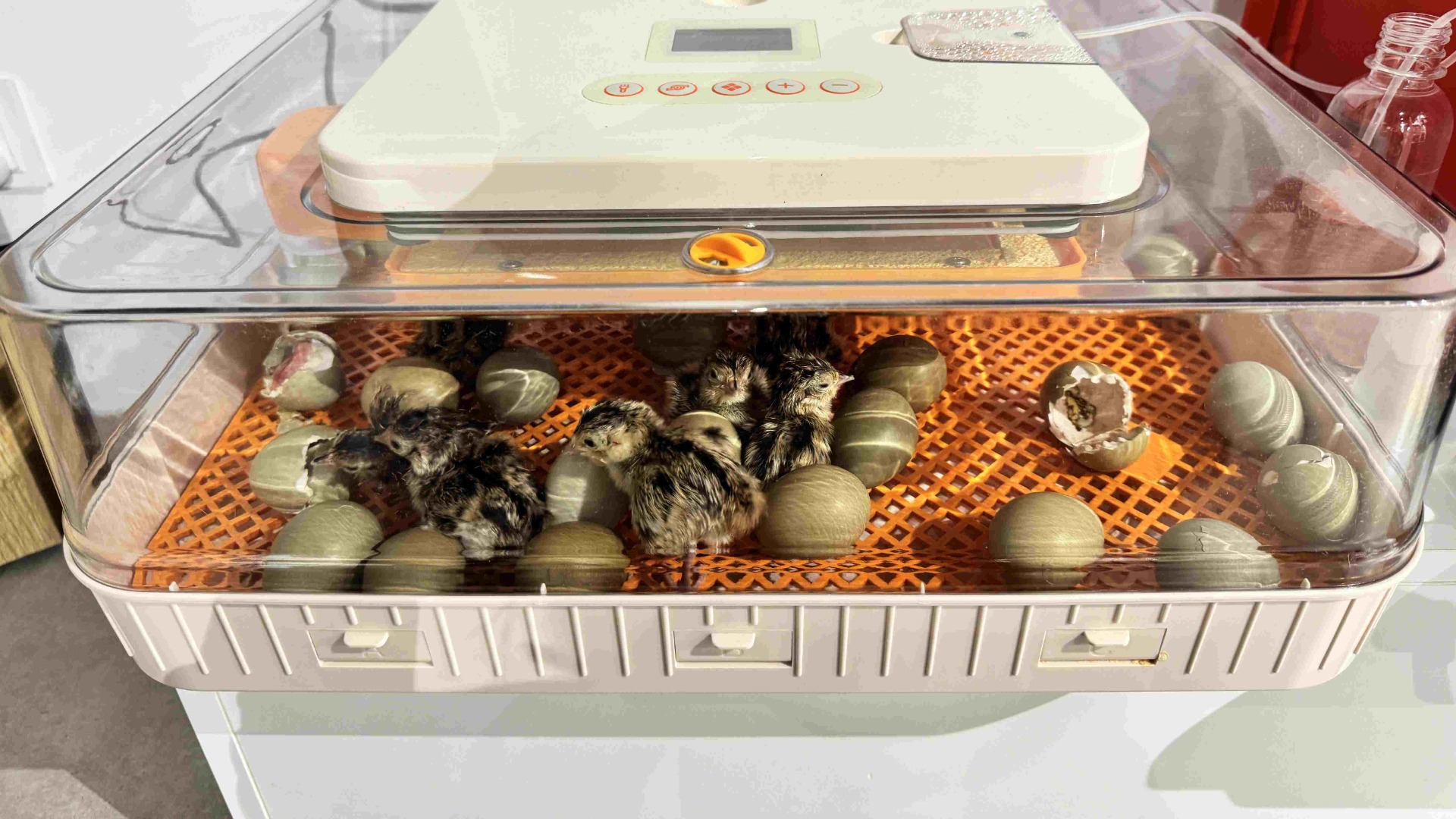
Many poultry keepers wonder when the right time is to move chicks to their new home. Chick hatching requires a great deal of effort, so after emerging from the egg, chicks need time to rest and recover. Chicks should remain in the home incubator until they are completely dry and fluffy. This usually takes between 12 and 24 hours. During this time, young birds do not yet need food because they are still using the energy reserves from the absorbed yolk sac. Moving them too early to a chick brooder can result in dangerous chilling. Remember that every time the incubator is opened while other eggs are still hatching, humidity drops rapidly, which may cause the remaining chicks to become “stuck” inside their shells. Therefore, it is best to wait until a larger group is ready. Before moving them, make sure that the artificial hen or heat lamp has already been running for several hours. Chick rearing requires stable conditions, so the temperature difference should not be too great.
Chick brooder – what equipment should it contain?
Preparing a safe place for young birds is the most important step immediately after completing the egg incubation process. A properly equipped chick brooder must be more than just a box – it is a controlled environment that replaces the care provided by a mother hen. Every element, from the walls to the smallest drinker, affects whether your poultry flock will grow healthy and strong. When choosing a suitable model or building one yourself, remember to provide adequate air circulation while avoiding draughts, which can be deadly for newly hatched chicks. Professional rearing equipment makes it easier to maintain hygiene, which is crucial for preventing parasitic and bacterial diseases. Investing in solid brooder equipment minimises the risk of flock losses and saves time during daily bird care. Remember that the available space must increase as the chicks grow – overcrowding leads to stress and aggression among young birds and may undermine all the effort put into successful hatching.
Artificial hen – which one should you choose?
Providing the correct temperature is the foundation of successful chick rearing. The most popular solution is a traditional heat lamp or infrared heater. Infrared heat lamps are inexpensive and effective, but they also have disadvantages – they can dry out the air considerably and emit light around the clock, which may disrupt the birds' natural day-and-night cycle. It is worth noting, however, that red light can calm chicks, which is particularly important during the first days of life. More and more poultry keepers are choosing modern chick heating plates, also known as an artificial hen. This solution imitates natural warming – chicks hide underneath the plate and touch it with their backs, just as they would under a hen's wings. A chick heating plate is significantly more energy-efficient than a heat lamp and safer because it does not pose the same fire risk when in contact with bedding. When choosing a heat source for your brooder, look for height adjustment. As the birds grow, the heat source should be raised to prevent overheating. Stable and safe heating ensures that chicks have enough energy to develop strong immunity.
Chick drinker and feeder – which should you choose?
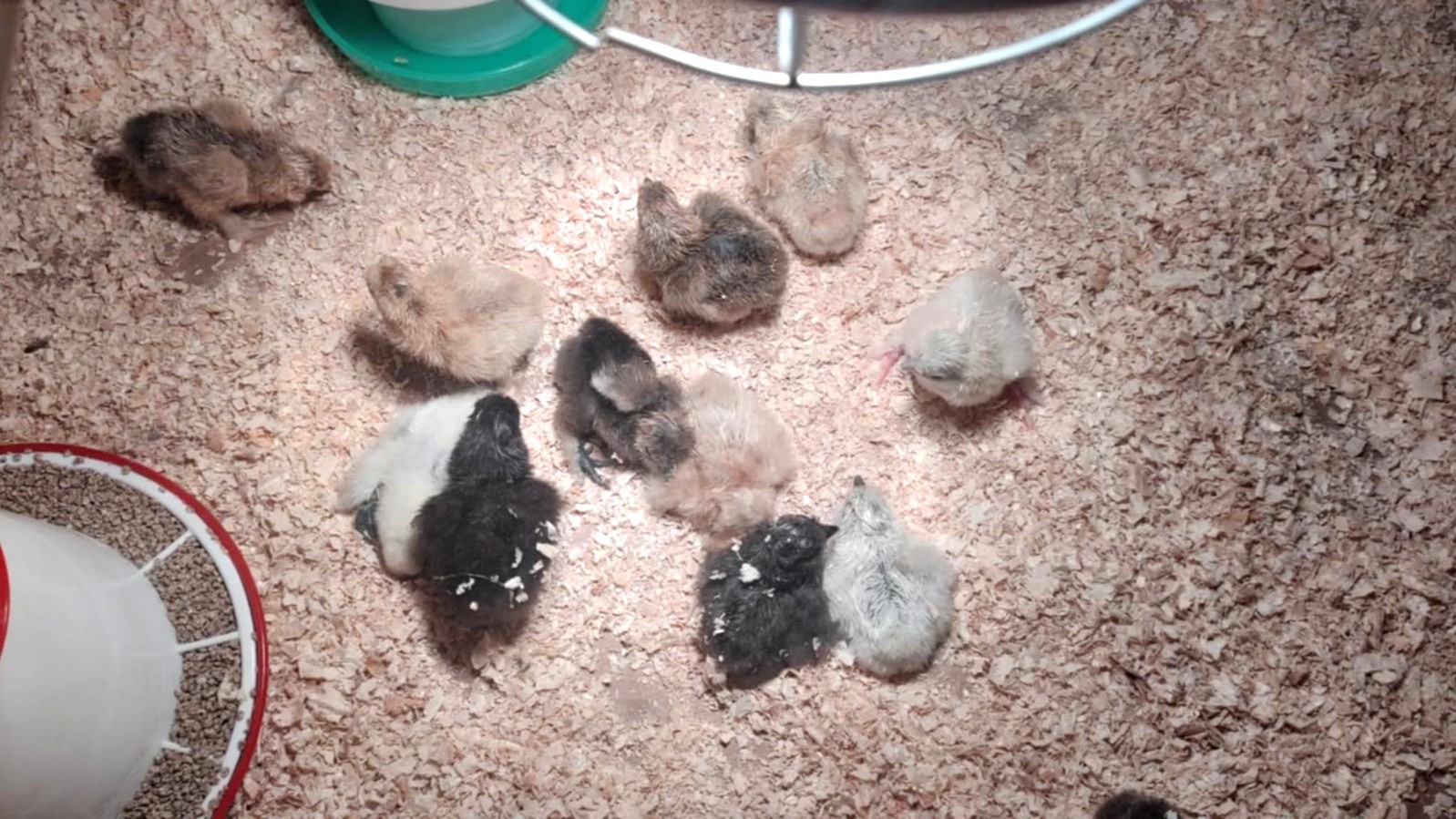
Organising the feeding area in a brooder requires some planning to avoid mess and feed waste. A chick drinker should be designed so that birds cannot climb inside or knock it over. Wet feathers during the first days of life can quickly lead to chilling and even chick mortality. Siphon drinkers, which continuously provide fresh water, are usually the best option. A poultry feeder is equally important – it should have special dividers or grids that prevent birds from scratching out the feed and contaminating it with droppings. A chick feeder with a capacity of around 1 kg is usually suitable, while a drinker with a capacity of 1–2 litres is recommended. Equipment placement is also important: drinkers and feeders should be positioned some distance away from the heat source so that water does not evaporate too quickly and feed does not lose its nutritional value. At the same time, they should not be placed in the coldest corner, as chicks may be reluctant to approach them. Hygienic access to food and clean water is one of the simplest ways to ensure successful poultry rearing.
Bedding and flooring – why are newspapers a bad idea?
Choosing the right flooring is extremely important because it directly affects the health of the birds' legs and respiratory system. In a chick brooder, straw pellets and high-quality wood shavings are excellent choices. Straw pellets are currently considered a highly effective option in poultry keeping – they are very absorbent, provide good thermal insulation and offer stable footing, helping prevent leg deformities in young chicks. Wood shavings create a soft and warm layer that birds enjoy. However, only dust-free shavings should be used, as sawmill dust can cause serious respiratory inflammation in newly hatched birds. Poultry keepers often ask: are straw or newspapers suitable for chicks? Although inexpensive, they are not recommended as brooder bedding during the first days of life. Long straw and newspapers can be too slippery, causing chicks' legs to spread sideways, and they have very poor absorbency. Moisture accumulating on straw or newspaper under the heat lamp creates ideal conditions for mould and bacteria. Remember that dry and clean brooder bedding is one of the most effective barriers against coccidiosis.
Chick feed – which is best?
Proper chick nutrition from the first day of life is essential for rapid growth and strong immunity. The best choice for young poultry is a professional chick starter feed in the form of fine crumbles. This structure makes it easier for birds to eat and prevents them from selecting only certain ingredients, helping ensure a balanced diet. A good feed mixture should be rich in easily digestible protein (approximately 20–22%), which is necessary for muscle development and recovery after the demanding hatching process. Remember to begin feeding chicks as soon as they are transferred to the brooder. Although young birds initially obtain energy from the yolk sac, early feed intake stimulates their digestive system. The chick feeder should always contain feed and be positioned where the food will remain dry. High-quality poultry starter feed is an investment that results in a strong and uniform flock ready for further rearing.
Vitamins for chicks – how to strengthen flock immunity?
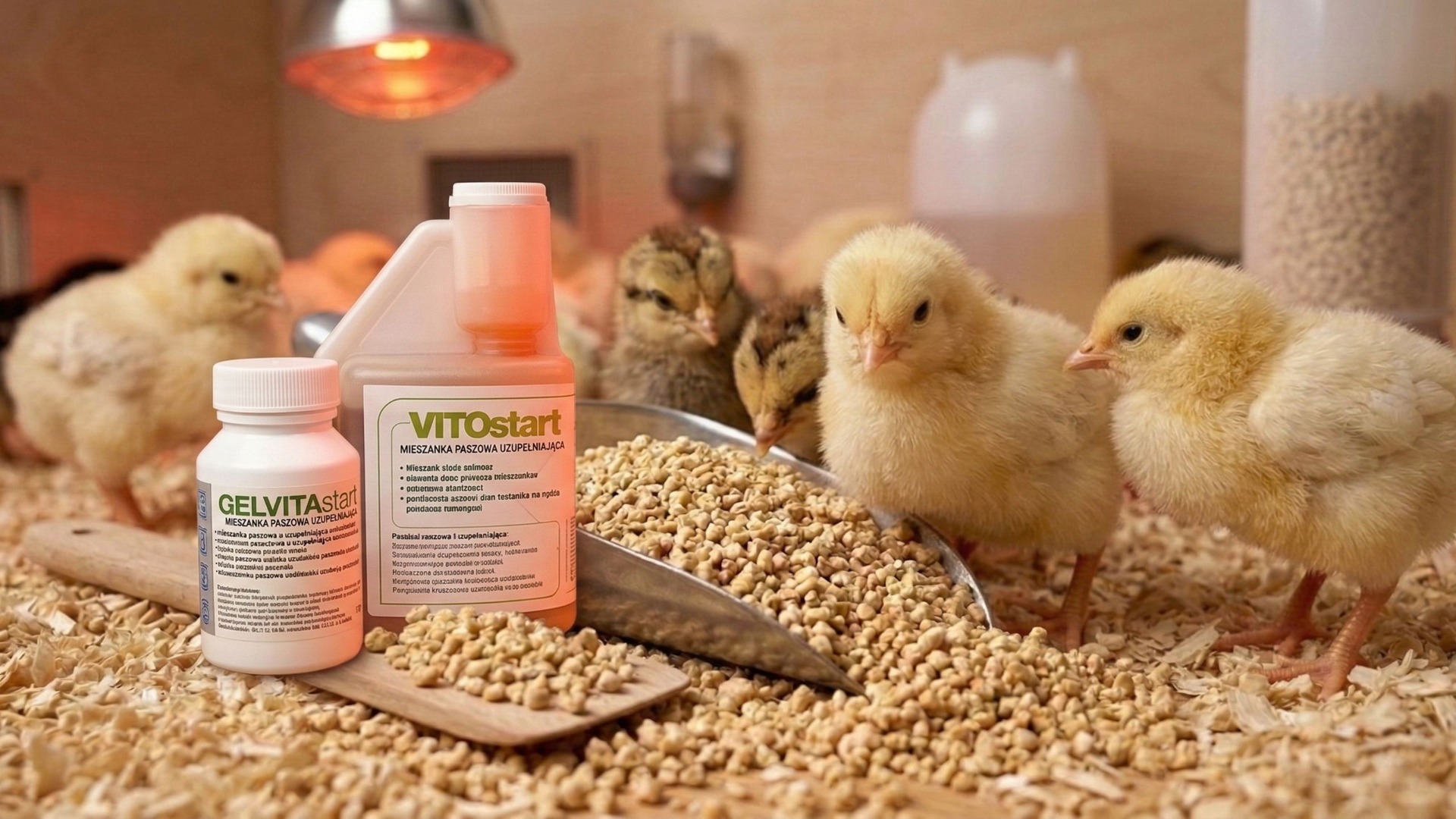
The first days of life are a period of considerable stress for birds due to the change in environment, which is why proper poultry supplementation is particularly important. Specialist vitamins for chicks added to drinking water are one of the simplest ways to support the birds' bodies and promote proper skeletal development. Vitamins A, D3 and E are particularly important because they support healthy growth, eyesight and protection against infections. Vitamin preparations can be used from the first day, especially after the stressful transfer from the incubator. Adding electrolytes can help chicks recover more quickly and encourage active feeding. Remember that vitamin solutions added to drinking water should be freshly prepared every day because the warm conditions inside the brooder can quickly reduce their quality. Attention to these details helps ensure that chick rearing proceeds smoothly and that chicks develop strong natural defences during their first weeks of life.
Chick brooding temperature – what is the optimal temperature?
The correct brooder temperature is one of the most important factors affecting flock survival. Newly hatched chicks are not yet able to regulate their own body temperature effectively, so they must be provided with conditions similar to those under a mother hen's wings. Chick rearing begins at relatively high temperatures, which are gradually reduced as the birds develop their feathers. Temperatures that are too low can cause chilling and death, while overheating can result in dehydration and weakness. The following table presents approximate temperatures that should be maintained using an artificial hen or heat lamp:
| Chick age | Brooder temperature |
|---|---|
| Week 1 | 32°C – 35°C |
| Week 2 | 29°C – 31°C |
| Week 3 | 26°C – 28°C |
| Week 4 | 22°C – 25°C |
How to maintain hygiene and safety in a chick brooder?
Even the most expensive equipment cannot replace proper cleanliness and good housing conditions. Chick rearing is a process in which hygiene mistakes can have very rapid consequences, sometimes leading to sudden losses in the flock. Many poultry keepers focus exclusively on warmth and forget that brooder hygiene is fundamental to developing strong immunity in young birds. The most common mistakes result from lack of knowledge or routine, and their consequences can be serious for the entire flock. To ensure that egg incubation does not go to waste, three critical risks must be eliminated: insufficient fresh air, dirty water and inadequate space. Remember that microorganisms multiply rapidly at the high temperatures maintained under a heat lamp, while stress increases when birds are kept in poor conditions. The most common chick-rearing mistakes include:
- Moving wet chicks – removing chicks from the incubator before they are completely dry can cause rapid chilling and death.
- Using newspapers as bedding – the slippery paper surface is a common cause of serious leg problems such as splayed legs.
- Cleaning drinkers too infrequently – bacteria can multiply in the water within hours in a warm brooder, potentially causing severe diarrhoea in chicks.
- Lack of ventilation – tightly closing the brooder “to keep it warm” causes ammonia to accumulate, which can damage the birds' respiratory system.
- Incorrect heat lamp positioning – a lamp positioned too low can overheat or burn chicks, while one positioned too high may fail to provide enough warmth during the night.
- Overcrowding in the brooder – keeping too many birds in a small area is a major cause of stress, feather pecking and cannibalism.
- A cold brooder at the start – placing chicks into a brooder that has not been preheated for several hours.
- No access to water during the first hour – dehydration immediately after transfer from the incubator can significantly weaken young birds.
FAQ – Frequently Asked Questions
When should chicks be moved from the incubator to the brooder?
Only when they are completely dry and fluffy. This usually takes 12 to 24 hours after hatching. Do not remove wet chicks from the incubator, as they can become chilled very quickly.
What temperature should a chick brooder be?
During the first week, maintain a temperature of 32–35°C. Reduce the temperature by approximately 2–3 degrees each subsequent week until the birds are fully feathered.
Does the brooder light need to stay on at night?
Chicks need constant warmth, but not necessarily constant light. If you use a heat lamp, it will usually remain on continuously. With heating plates (artificial hens), birds can experience a natural period of darkness at night.
What is the best bedding for chicks?
Straw pellets or dust-free wood shavings are good choices. They provide warmth and good footing. Avoid newspapers – they are slippery and can contribute to leg problems.
What should chicks eat first?
Provide lukewarm water with vitamins for chicks and a complete Starter feed in crumble form. Begin feeding immediately after transferring the chicks to the brooder.
How long should chicks stay in a brooder?
Usually 4 to 6 weeks. They can be moved to the chicken coop once they have replaced their down with feathers and are able to maintain their own body temperature.