
We are hearing more and more often about new outbreaks of avian influenza in different regions of the country. Many poultry keepers are asking: does bird flu also pose a threat to small backyard flocks? How can you protect your own chickens and poultry from the virus? Can a small flock be protected as effectively as a large commercial poultry farm? The growing number of cases means these questions are being asked increasingly often by both beginner and experienced poultry keepers.
Avian influenza in backyard chicken flocks is an extremely important issue because, although the disease is often associated with large poultry farms, the HPAI virus can also enter small holdings where chickens come into contact with the environment, wild birds or unprotected feed. This is why every backyard poultry keeper should know the basic principles of flock protection and be able to react quickly to the first warning signs. Proper prevention and biosecurity are currently among the most effective ways to protect chickens and other poultry against avian influenza.
Post Contents [hide]
What Is Avian Influenza?
Avian influenza, also known as bird flu, is a viral infectious disease caused by influenza A viruses that naturally occur in wild birds, especially waterfowl. The virus can spread to poultry, including chickens, ducks, turkeys and geese, causing severe disease and high mortality. It is one of the most dangerous diseases affecting birds in both large commercial farms and small backyard flocks.
Two main forms of avian influenza are distinguished:
- LPAI – Low Pathogenic Avian Influenza – usually causes milder disease. It may result in reduced egg production, mild respiratory symptoms or even no obvious clinical signs. Although less severe, certain low-pathogenic strains may evolve into highly pathogenic forms.
- HPAI – Highly Pathogenic Avian Influenza – the most dangerous form, capable of causing sudden disease and very high mortality. H5 viruses, including strains such as H5N1, have been responsible for numerous avian influenza outbreaks in Europe.
How Does Avian Influenza Spread?
Avian influenza can enter a backyard flock in many different ways. The avian influenza virus can persist in contaminated organic material, water and damp environments for a period of time. The most important potential sources of infection include:
- Wild birds – especially ducks, geese and swans, which can carry avian influenza viruses. The virus may spread through droppings, saliva and other secretions, as well as through contaminated water or bedding.
- People – the virus may be carried indirectly on footwear, clothing, hands, tools and equipment used around poultry. Even someone who has not directly handled sick birds may potentially introduce contaminated material into the flock.
- Rodents and domestic animals – mice, rats, cats and other animals may mechanically carry contaminated material from areas containing wild-bird droppings into the chicken coop or feed storage area.
- Contaminated feed and water – feed or water left outdoors may become contaminated by wild birds or material from the surrounding environment.
- Introducing new birds from an uncertain source – apparently healthy chickens, ducks or geese may introduce infectious agents into an existing flock.
- Contaminated equipment and surfaces – buckets, feeders, shovels and other tools can contribute to indirect virus transmission if they are not properly cleaned and disinfected.
Does Avian Influenza Affect Only Large Poultry Farms?
Many backyard poultry keepers believe that avian influenza affects only large commercial poultry farms, but this is not the case. The HPAI virus can also infect small backyard flocks. In some situations, backyard poultry may be particularly exposed because:
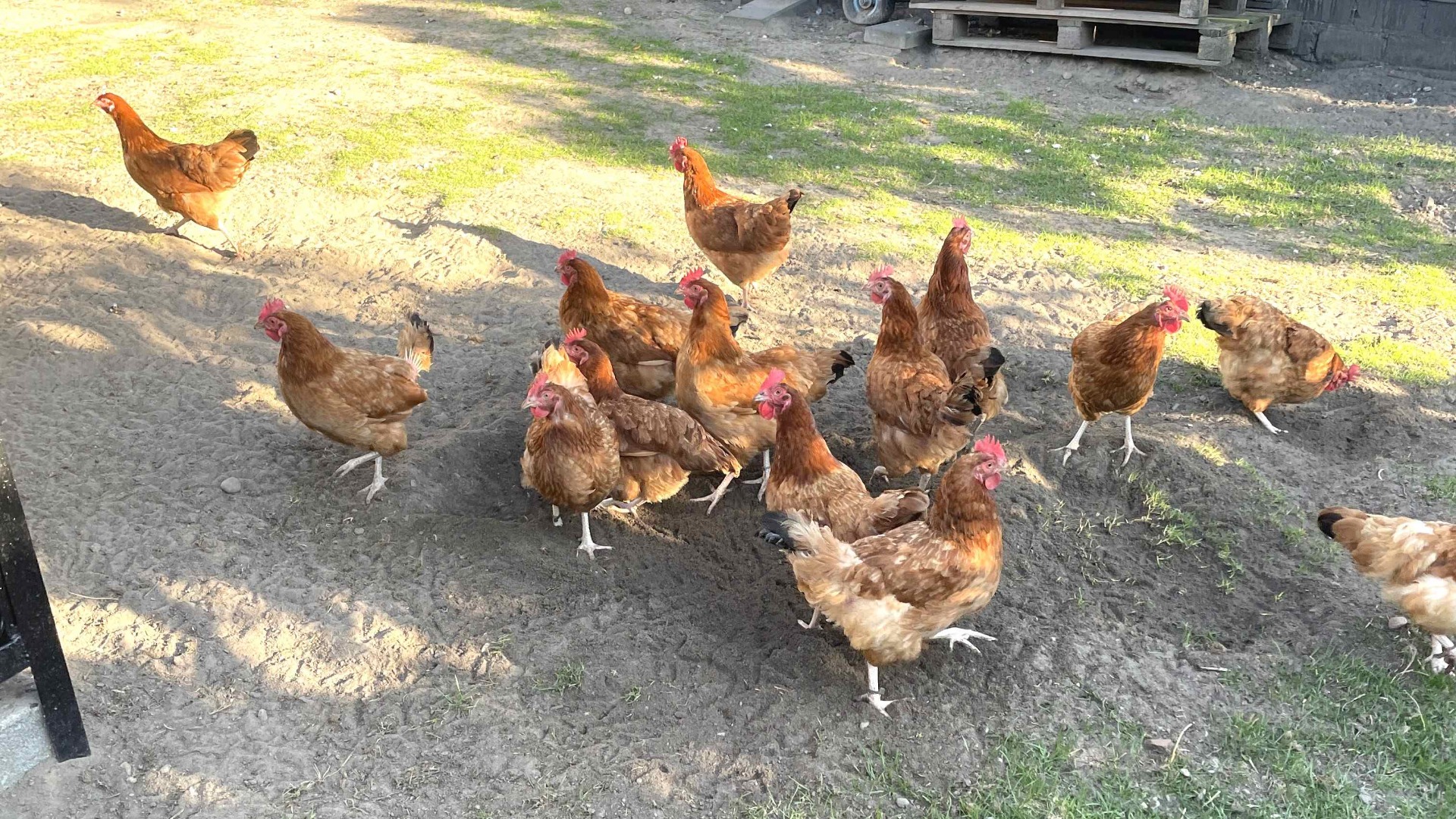
- Free-range chickens may come into direct contact with wild birds or contaminated droppings in outdoor areas.
- Limited biosecurity measures – backyard poultry holdings often do not have dedicated changing areas, controlled access systems or other biosecurity measures commonly used on commercial farms.
- Close contact with the surrounding environment – contaminated footwear, clothing, equipment, water or feed can potentially introduce pathogens into the flock.
Symptoms of Avian Influenza in Chickens
Recognising possible signs of avian influenza in a backyard poultry flock is important for rapid action and protection of the remaining birds. HPAI may appear suddenly, and its symptoms can vary depending on the species, age and condition of the birds.
Possible symptoms of avian influenza in chickens and other poultry include:
- Sudden death of birds – one of the most serious warning signs associated with HPAI,
- Lethargy and apathy – birds become less active and spend more time sitting or standing in one place,
- Loss of appetite – poultry may stop eating or drinking, leading to rapid weakness,
- Reduced egg production and poor egg quality – eggs may become misshapen or have abnormal shells,
- Swelling of the head and bluish discolouration of the comb and wattles,
- Respiratory symptoms – sneezing, coughing, discharge from the nose or eyes and difficulty breathing,
- Neurological symptoms – abnormal head movements, difficulty walking or problems coordinating the wings and legs.
What Should You Do If You Suspect Avian Influenza?
If you notice worrying avian influenza symptoms in your chicken or poultry flock, you should act quickly and follow official biosecurity and veterinary guidance. Early reporting is important for limiting the possible spread of the HPAI virus.
Suspected avian influenza should always be treated seriously. The appropriate response depends on local regulations and instructions from veterinary authorities. The most important steps include:
- Limit contact with suspected sick birds and prevent unnecessary movement of birds, people and equipment between different areas.
- Do not attempt to treat suspected avian influenza on your own. Veterinary assessment is required.
- Report suspected disease to the appropriate veterinary authority as required by local regulations. In Poland, this includes contacting the relevant district veterinary authority.
- Dead birds may represent a potential source of infection and should be handled only in accordance with veterinary instructions.
- Limit contact with other people and animals because contaminated footwear, clothing and equipment may contribute to indirect spread.
- Secure feed, water and the poultry house and prevent wild birds from accessing feed and drinking water.
- Do not introduce new birds into the flock until the situation has been assessed and the risk of infection has been ruled out.
Can Avian Influenza Be Treated?
One of the most common questions asked by backyard poultry owners is: can avian influenza be cured? In practice, avian influenza in poultry, especially highly pathogenic avian influenza, is not managed by treating individual infected birds with standard medication. The HPAI virus can spread rapidly through a flock, which is why veterinary intervention, disease control measures and prevention are essential.
If avian influenza is suspected or confirmed in a backyard flock, the owner should follow the instructions of the competent veterinary authorities. Supportive treatment does not eliminate the virus or stop its transmission within the flock. Therefore, biosecurity, prevention and rapid reporting of suspicious symptoms are particularly important.
Knowing how the HPAI virus can spread and recognising potential symptoms helps poultry keepers better protect chickens, ducks, geese and turkeys.
Avian Influenza and Eggs – Can You Eat Eggs?
Eggs from healthy birds may generally be consumed when they come from flocks not subject to disease-control restrictions and when they are properly handled and cooked. Adequate heat treatment significantly reduces foodborne risks associated with influenza viruses.
However, eggs from birds suspected or confirmed to have avian influenza, or eggs from premises subject to official HPAI disease-control measures, should not be consumed or sold unless permitted by the competent veterinary authority. Contamination may occur on the eggshell or through material present in the poultry environment.
If avian influenza is suspected in a backyard flock, follow veterinary instructions regarding eggs, poultry products and disposal. Avoid consuming raw eggs or products from birds of uncertain health status.
Avian Influenza Outbreaks – What Does an Outbreak Mean?
An avian influenza outbreak is an officially confirmed occurrence of infection with an avian influenza virus in poultry or other birds. It may involve a large commercial farm or a small backyard flock of chickens, ducks, geese or turkeys.
Once infection is confirmed by the competent authorities, disease-control measures may be introduced around the affected premises. Understanding what an outbreak means and what restrictions apply in different zones is important for poultry keepers, as the applicable requirements may affect bird movement, housing, feed storage and other activities.
Around an avian influenza outbreak, authorities may establish specific restriction zones, for example:
- Protection zone – generally the area closest to a confirmed outbreak, where stricter veterinary and biosecurity measures may apply, including restrictions on moving poultry and poultry products.
- Surveillance zone – a wider area surrounding the outbreak where additional monitoring, movement controls and biosecurity requirements may remain in force.
Why Are Restriction Zones Important?
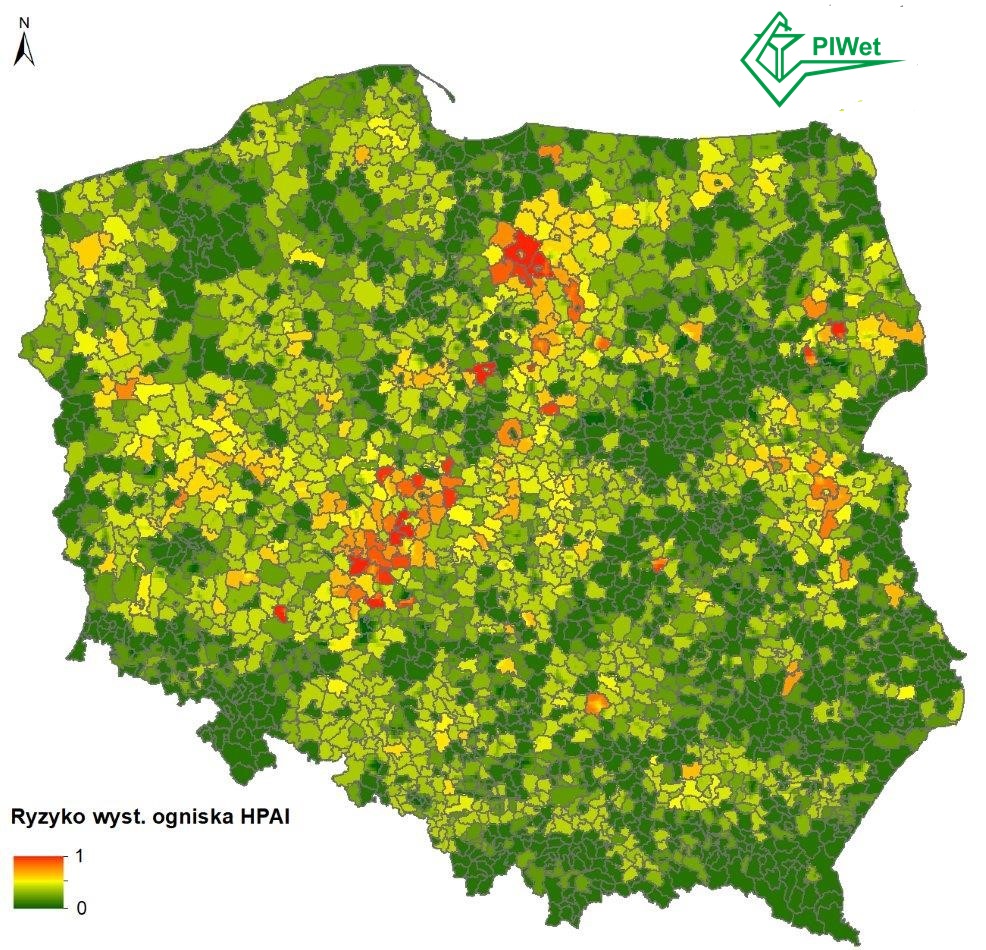
Protection and surveillance zones help veterinary authorities limit the spread of HPAI and react quickly to new cases. They also allow backyard poultry owners to understand which rules apply to their holdings and which additional precautions are required.
How Can You Reduce the Risk of Avian Influenza?
To reduce the risk of avian influenza in a backyard chicken flock, as well as among ducks, geese and turkeys, it is important to follow official information about outbreaks in the local area and respond to veterinary announcements.
The foundation of protection is biosecurity in poultry keeping. Important measures include protecting outdoor runs, feeders and drinkers from wild birds, maintaining good hygiene in the chicken coop, disinfecting footwear, hands and equipment, and using dedicated clothing when handling poultry.
Limiting unnecessary visitors and regularly observing the health of the flock can help identify suspicious symptoms early and reduce the risk of disease introduction.
How to Protect a Backyard Poultry Flock Against Avian Influenza
- Keep chickens indoors or under cover during periods of increased risk – limiting contact with wild birds can reduce the likelihood of exposure. Depending on official veterinary restrictions, poultry may need to be kept inside a chicken coop or covered aviary.
- Use netting and barriers against wild birds – dense netting, roof coverings and overhead protection can reduce access by wild birds to feeders, drinkers and areas used by poultry. This is an important element of biosecurity in small flocks.
- Use dedicated footwear and clothing for the chicken coop – keep separate boots and clothing specifically for poultry care to reduce the risk of carrying contaminated material into the flock.
- Feed and water birds in protected areas – feeders and drinkers should be located under a roof or inside a closed aviary so that wild birds cannot access them.
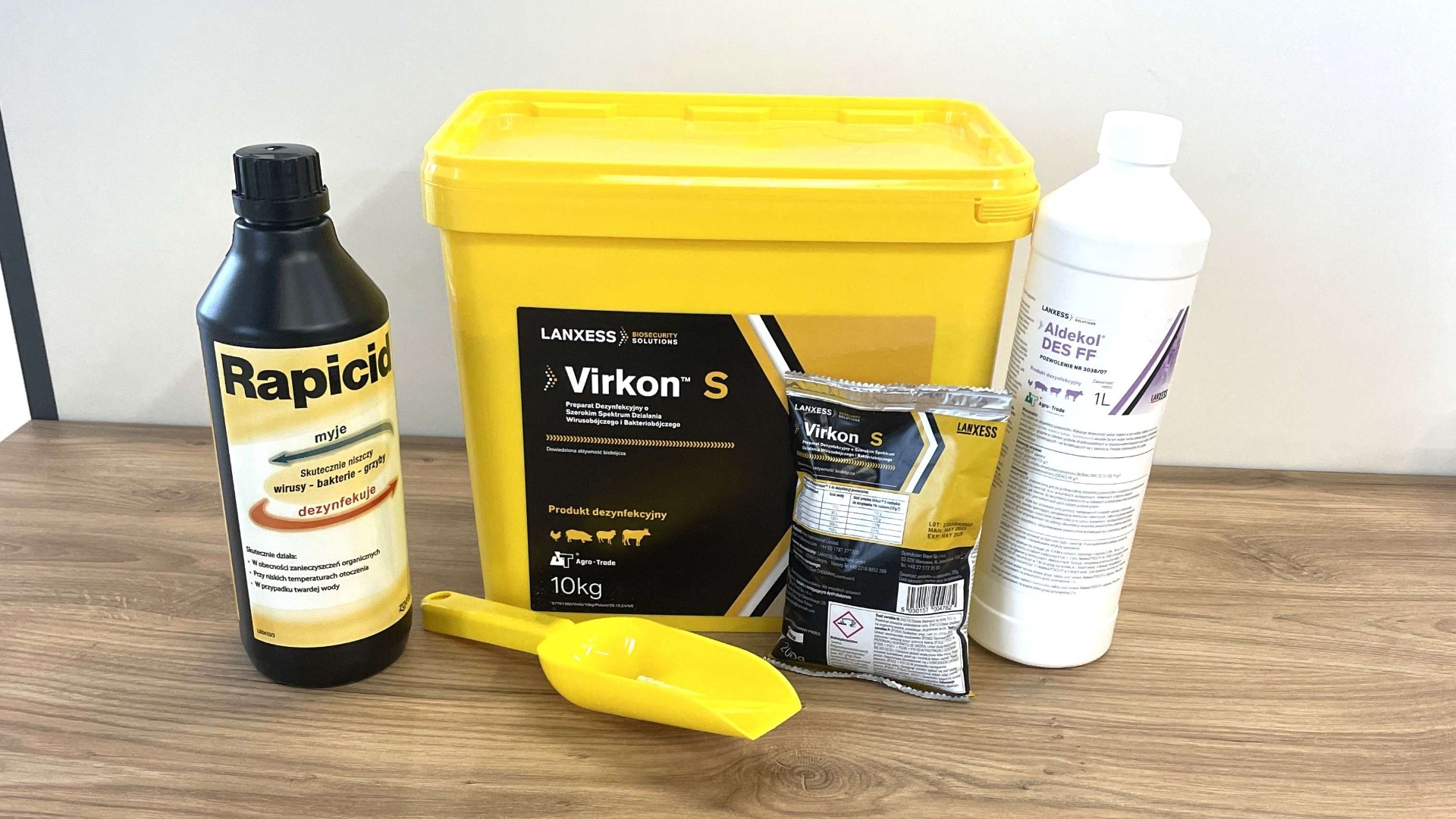
- Disinfection – regular cleaning and disinfection of footwear, hands, buckets, wheelbarrows and tools can help reduce the risk of introducing pathogens. A suitable disinfection station may be placed near the entrance to the chicken coop where appropriate.
- Limit unnecessary visitors – only essential people should enter the poultry area. Visitors may unintentionally carry contaminated material on footwear, clothing or equipment.
- Protect feed from rodents – store feed in secure containers and regularly monitor for mice and rats, which can mechanically carry contaminated material and other poultry pathogens.

FAQ – Frequently Asked Questions
How Can You Reduce the Risk of Avian Influenza in a Backyard Flock?
Monitor official information about avian influenza outbreaks, follow veterinary announcements and apply strict biosecurity. Protect feed and water from wild birds, use dedicated clothing and footwear, disinfect equipment and observe the health of the flock regularly.
What Is Biosecurity and How Should It Be Used?
Biosecurity is a set of measures designed to reduce the risk of introducing and spreading infectious diseases. It includes limiting contact with wild birds, protecting feeders and drinkers, cleaning and disinfecting equipment and footwear, using dedicated poultry clothing and limiting unnecessary visitors.
What Are the First Signs of Avian Influenza in Chickens?
Possible warning signs include reduced egg production, lethargy, loss of appetite, respiratory symptoms, neurological signs and sudden deaths. Any unusual or rapidly developing illness in a poultry flock should be reported to a veterinarian or the appropriate veterinary authority.
Does Avian Influenza Affect Only Large Commercial Poultry Farms?
No. Avian influenza can also affect small backyard flocks. Owners of only a few chickens, ducks, geese or turkeys should also apply appropriate biosecurity measures.
How Can You Protect Feed and Water from HPAI Contamination?
Store feed in closed containers and provide feed and water under cover or inside protected poultry housing. Avoid feeding birds outdoors in places that are accessible to wild birds.
Should You Limit Contact Between Poultry and Wild Birds?
Yes. Wild birds, especially waterfowl, can carry avian influenza viruses. Covered runs, netting and protected feeding areas can help reduce direct and indirect contact.
How Quickly Should You React If Symptoms Appear?
Immediately. Suspected avian influenza should be reported without delay to the appropriate local veterinary authority. Rapid reporting is essential for protecting the flock and limiting possible disease spread.
Can Humans Catch Avian Influenza?
Yes, human infections with some avian influenza viruses are possible, although they are uncommon. Risk is generally associated with close or unprotected contact with infected birds, contaminated environments or their secretions. Appropriate hygiene and protective measures should be followed when handling suspected infected poultry.